Karnataka Pushes AI-Based Water Governance at National AI and Digital Water Summit 2026 in Bengaluru
Published In Public Interest by thebengalurulive.com
Bengaluru, May 27: Karnataka Chief Secretary Dr. Shalini Rajneesh on Wednesday said Artificial Intelligence (AI) and digital technologies are becoming critical tools for addressing future challenges such as climate change, rapid urbanisation, groundwater depletion and pressure on civic infrastructure, adding that Karnataka is emerging as a national leader in AI-based urban water governance.
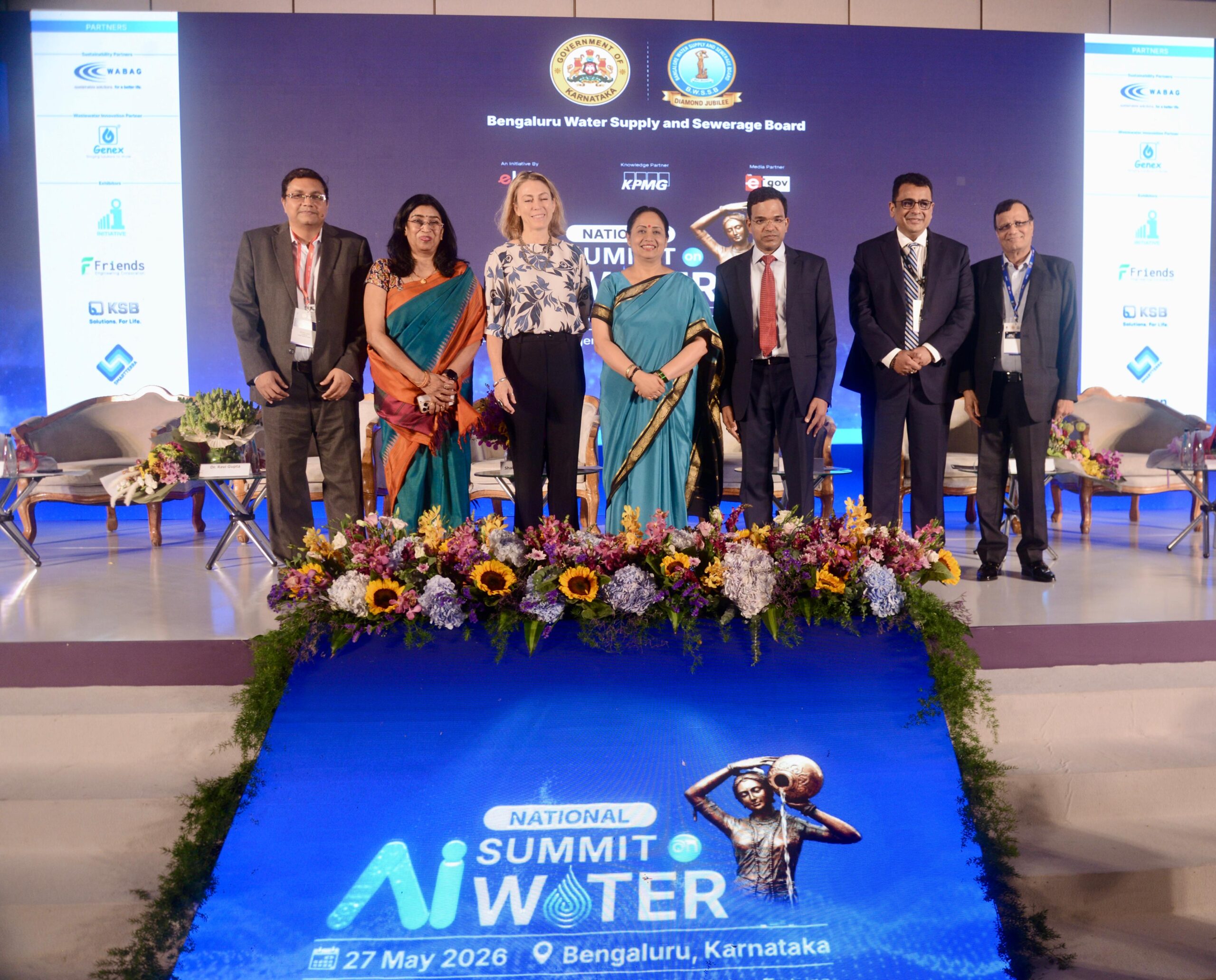
She was speaking after inaugurating the ‘National AI and Digital Water Summit 2026’ organised by the Bangalore Water Supply and Sewerage Board (BWSSB) in collaboration with Elets and KPMG in Bengaluru.
Published In Public Interest by thebengalurulive.com
Dr. Shalini Rajneesh said growing cities such as Bengaluru, Mysuru, Mangaluru, Dharwad and Belagavi are witnessing increasing pressure on water resources, making intelligent technology-driven governance systems essential for delivering efficient, transparent and accountable public services.
“AI and digital intelligence are no longer optional tools for urban water supply boards. Real-time monitoring, predictive analytics, water demand forecasting and data-driven governance will define the future of water management,” she said.
The Chief Secretary noted that Karnataka has already established AI Centres of Excellence and introduced policy frameworks supporting digital storage, data sharing and performance-based governance systems.
She stressed that accountability must remain central to digital transformation and said technology should ultimately strengthen public trust and institutional efficiency.
BWSSB Chairman Dr. Ram Prasath Manohar said Bengaluru’s rapid expansion and urban complexity have pushed the city towards predictive and intelligent utility management systems.
“BWSSB today serves more than 14 million citizens. Managing water in one of the world’s fastest-growing metropolitan cities requires intelligence and technology-driven governance,” he said.
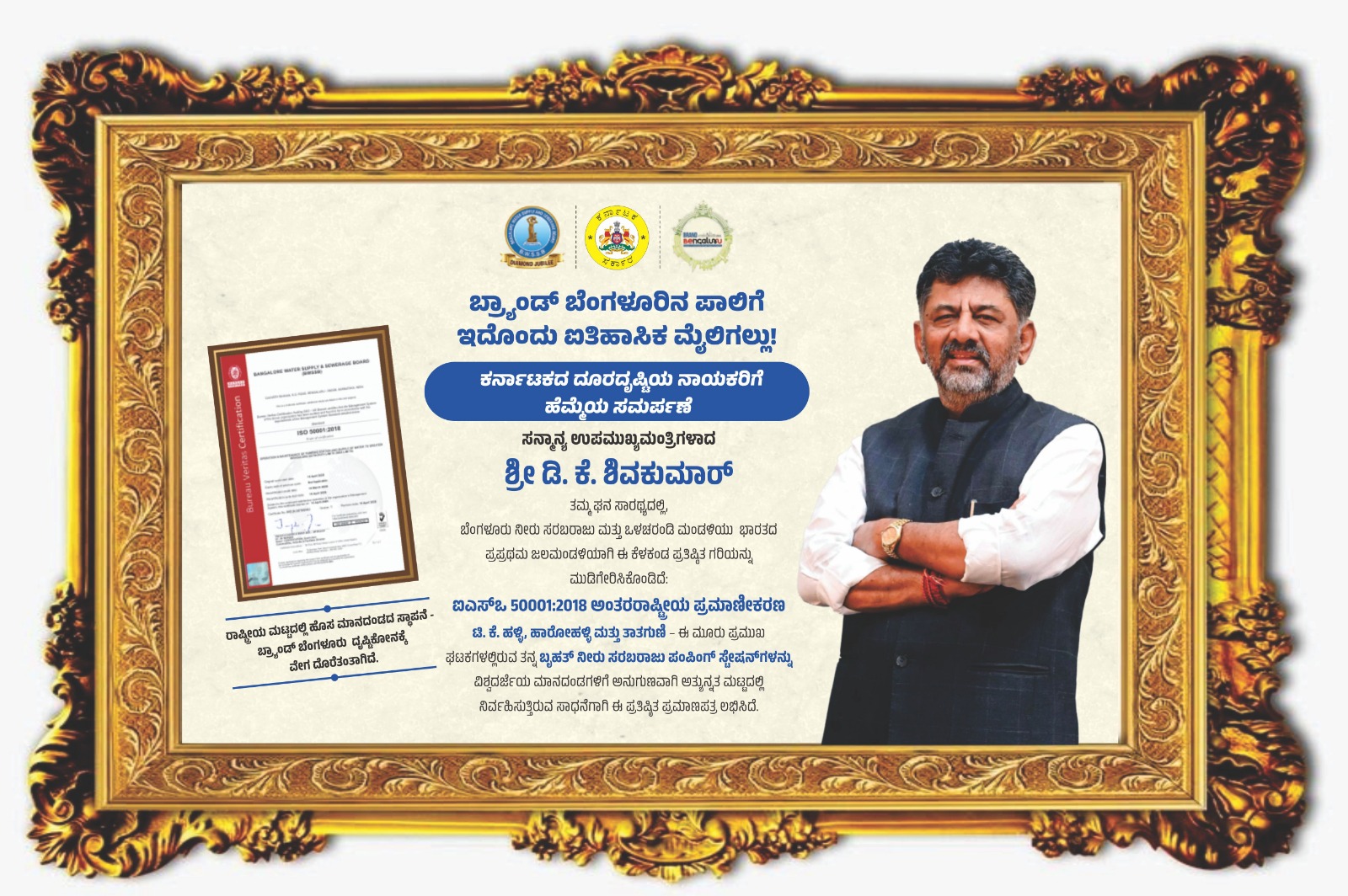
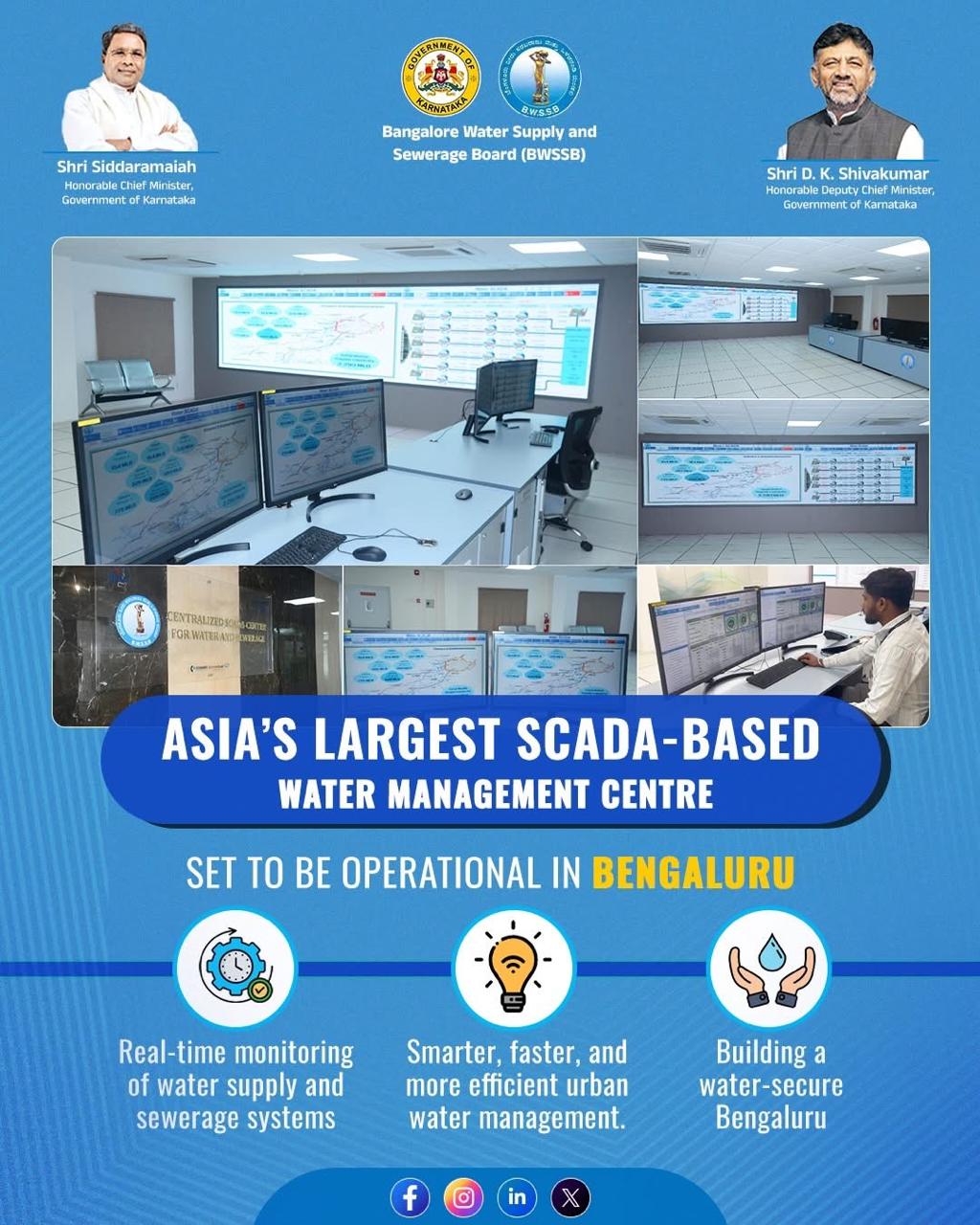
He stated that BWSSB has already implemented one of Asia’s largest city-level SCADA systems, GIS-based mapping, IoT monitoring, automated leak detection systems and smart metering pilot projects as part of its digital transformation strategy.
According to him, the use of these technologies has helped reduce Non-Revenue Water (NRW) levels from 50 per cent to 26.5 per cent, resulting in daily savings of nearly 200 million litres of water.
Dr. Manohar further said AI-driven energy optimisation pumps have helped BWSSB save nearly ₹42 crore annually in electricity costs.
“AI is not just about dashboards. It is about predictive governance, accountability and measurable outcomes. We are moving from reactive operations towards intelligent utility management,” he said.
BWSSB aims to implement smart metering across Bengaluru over the next five years, further reduce NRW losses and emerge as a national model for intelligent urban utilities, he added.
The summit was attended by Additional Chief Secretary Tushar Giri Nath, FKCCI President Uma Reddy, Elets Techno Media founder and CEO Ravi Gupta, KPMG Partner and Head of Government and Public Services Nilachal Mishra, along with global water experts, AI specialists, policymakers, technology companies, startups and urban governance professionals from India and abroad.
In a message shared during the summit, Karnataka Deputy Chief Minister D.K. Shivakumar said Karnataka is at a crucial stage where industrial growth and rising water demand are creating new challenges.
“To ensure sustainable and equitable urban growth, AI-based governance and intelligent water systems are becoming extremely critical. In adopting new technologies, BWSSB is emerging as a model for the country,” he stated.
About the Author

Related Stories