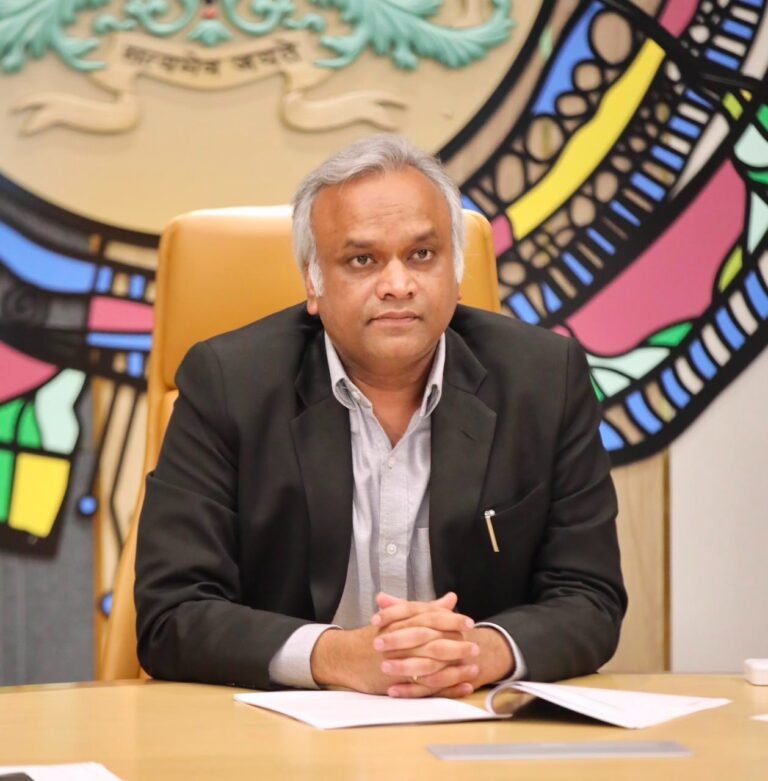
Why White-Topping Roads That Will Be Dug Up for Flyovers? Who Benefits from Repeating the Work, Asks Minister Krishna Byre Gowda
Bengaluru, June 22: Questioning the logic behind undertaking white-topping works on roads that are already earmarked for future flyovers and elevated corridors, Bengaluru Development Minister Krishna Byre Gowda on Monday asked officials to ensure better planning and coordination in infrastructure projects.
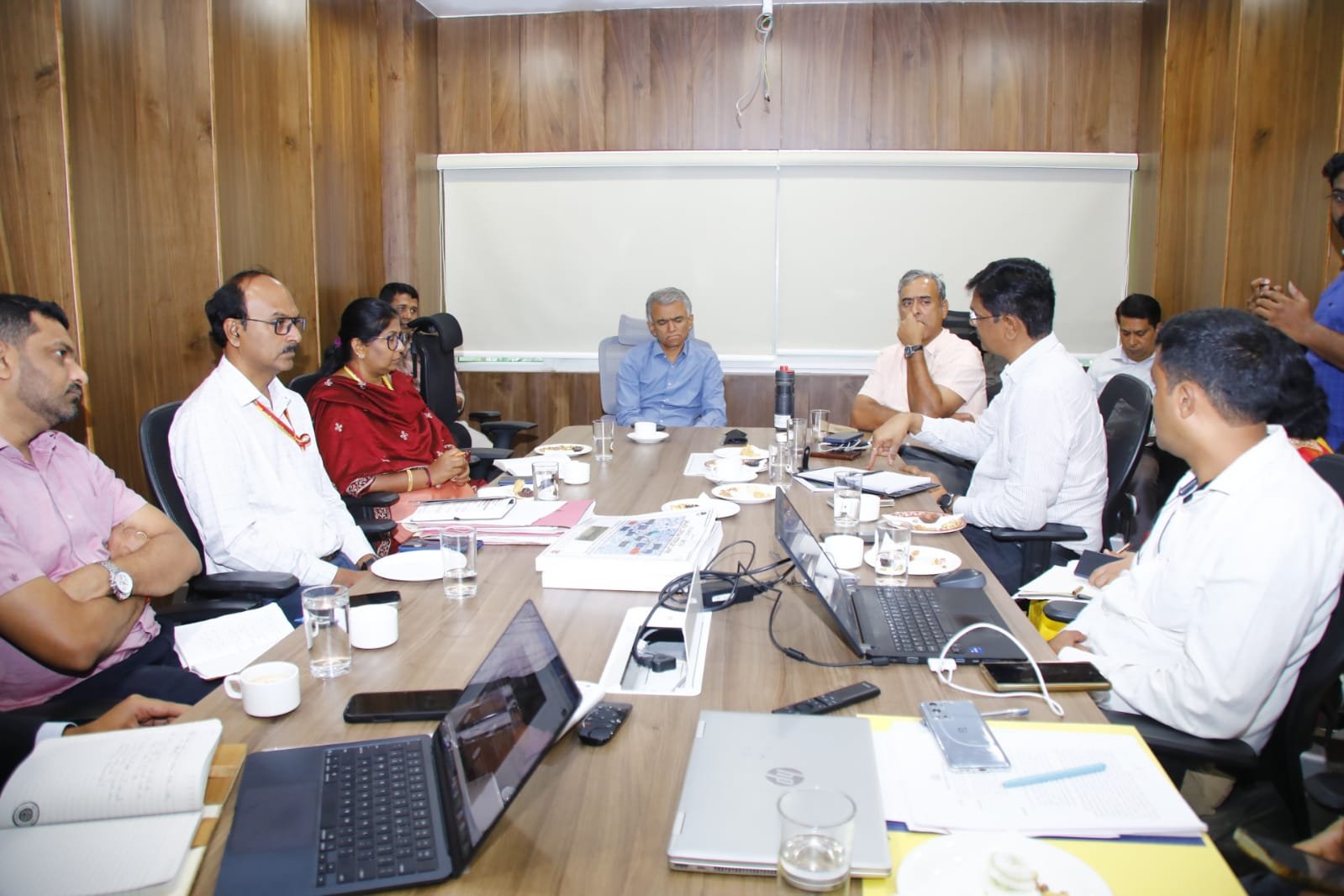
“Why carry out white-topping when it is already known that an elevated corridor or flyover will come up on the same stretch? Later, when the flyover work begins, the white-topped road is dug up again. Who is that bill meant for?” the Minister reportedly asked officials during a review meeting of Bengaluru Smart Infrastructure Limited (B-SMILE) projects.
The remarks came during a comprehensive review of major infrastructure initiatives aimed at providing long-term solutions to Bengaluru’s traffic congestion.
Comprehensive Planning Needed
Speaking to reporters after the meeting, Krishna Byre Gowda said Chief Minister D.K. Shivakumar has already prepared a detailed blueprint for addressing Bengaluru’s mobility challenges and several projects are currently at different stages of implementation.
He said the focus of the meeting was not on introducing new proposals but on ensuring that already approved projects are executed efficiently and within stipulated timelines.
“We discussed how to effectively implement the plans that have already been prepared. The objective is to provide lasting solutions to Bengaluru’s traffic problems through integrated planning,” he said.
White-Topping Projects Under Review
The Minister noted that white-topping of major roads has been undertaken since 2016 to improve durability and reduce recurring maintenance costs.
According to officials, approximately 196 km of white-topping roads have already been completed across Bengaluru. Another 126 km is under construction, of which 58 km has been completed, while the remaining stretches have been directed to be finished within the next six months.
Krishna Byre Gowda said a kilometre of white-topping costs roughly ₹10 crore, but the investment is justified because such roads can last between 20 and 30 years, significantly reducing expenditure on repeated asphalt resurfacing.
However, he stressed that white-topping projects should be aligned with future infrastructure plans to avoid wasteful expenditure and duplication of work.
₹3,000 Crore Plan for 450 km of Roads
The Karnataka Government has prepared a Detailed Project Report (DPR) for constructing 450 km of new white-topping roads at an estimated cost of ₹3,000 crore during the 2026-27 financial year.
The Minister said all preliminary processes are nearing completion and tenders will be invited shortly.
Strict Safety Measures Ordered
Krishna Byre Gowda also expressed concern over traffic disruptions caused by poorly managed construction sites.
He directed officials to ensure that contractors strictly follow safety protocols and avoid practices such as dumping construction materials on roadsides, leaving jelly stones unattended and excavating roads without proper traffic management.
“Public inconvenience should be minimised. Construction sites must be managed responsibly, and issues identified during inspections should be addressed immediately,” he said.
Tunnel Roads Moving Forward
Providing an update on Bengaluru’s proposed tunnel road network, the Minister said the tender process for the 16.7-km North-South Tunnel Corridor has already been completed and sent to the government for approval.
The project will move ahead after Cabinet clearance.
He also announced that tenders for the proposed 22-km East-West Tunnel Corridor, connecting Old Madras Road and Mysuru Road, will be invited in the next phase.
150 km Elevated Corridor Network Planned
As part of a larger mobility strategy, the government has set a target of developing 150 km of elevated corridors across Bengaluru.
Of this, tenders are expected to be floated soon for the first 75 km, for which preparatory work has already been completed.
The Minister said white-topping roads, tunnel corridors and elevated roads are all part of an integrated traffic management strategy and must be planned together to avoid conflicts and duplication.
Focus on Long-Term Traffic Solutions
Krishna Byre Gowda said Bengaluru’s traffic congestion cannot be addressed through isolated projects and requires a comprehensive approach that combines road infrastructure, Metro expansion and public transport improvements.
The government aims to develop a 275-km Metro network while simultaneously strengthening bus-based public transport and upgrading critical road corridors.
B-SMILE has also prepared plans to identify high-density traffic corridors, major arterial roads and Outer Ring Road stretches that require long-term interventions.
Outer Ring Road Redesign
The Minister said a ₹450-crore redesign plan for the Outer Ring Road has been prepared. However, the project will be taken up at an appropriate time after consultations with traffic police to avoid compounding disruptions caused by ongoing Metro construction.
The review meeting was attended by B-SMILE Managing Director and Chief Commissioner Maheshwar Rao, Technical Director Prahlad, Chief Engineers Malathi, Madesh and Vishwanath, along with other senior officials.
About the Author