Krishna Byre Gowda Promises Doorstep Waste Pickup as Bengaluru Plans 9,000-Tonne Transport Capacity
Bengaluru: A waste collection system designed around older household numbers is struggling to keep pace with Bengaluru’s growth, Greater Bengaluru Development Minister Krishna Byre Gowda said, promising to extend doorstep collection to unserved areas while outlining plans to raise transport capacity to about 9,000 tonnes.
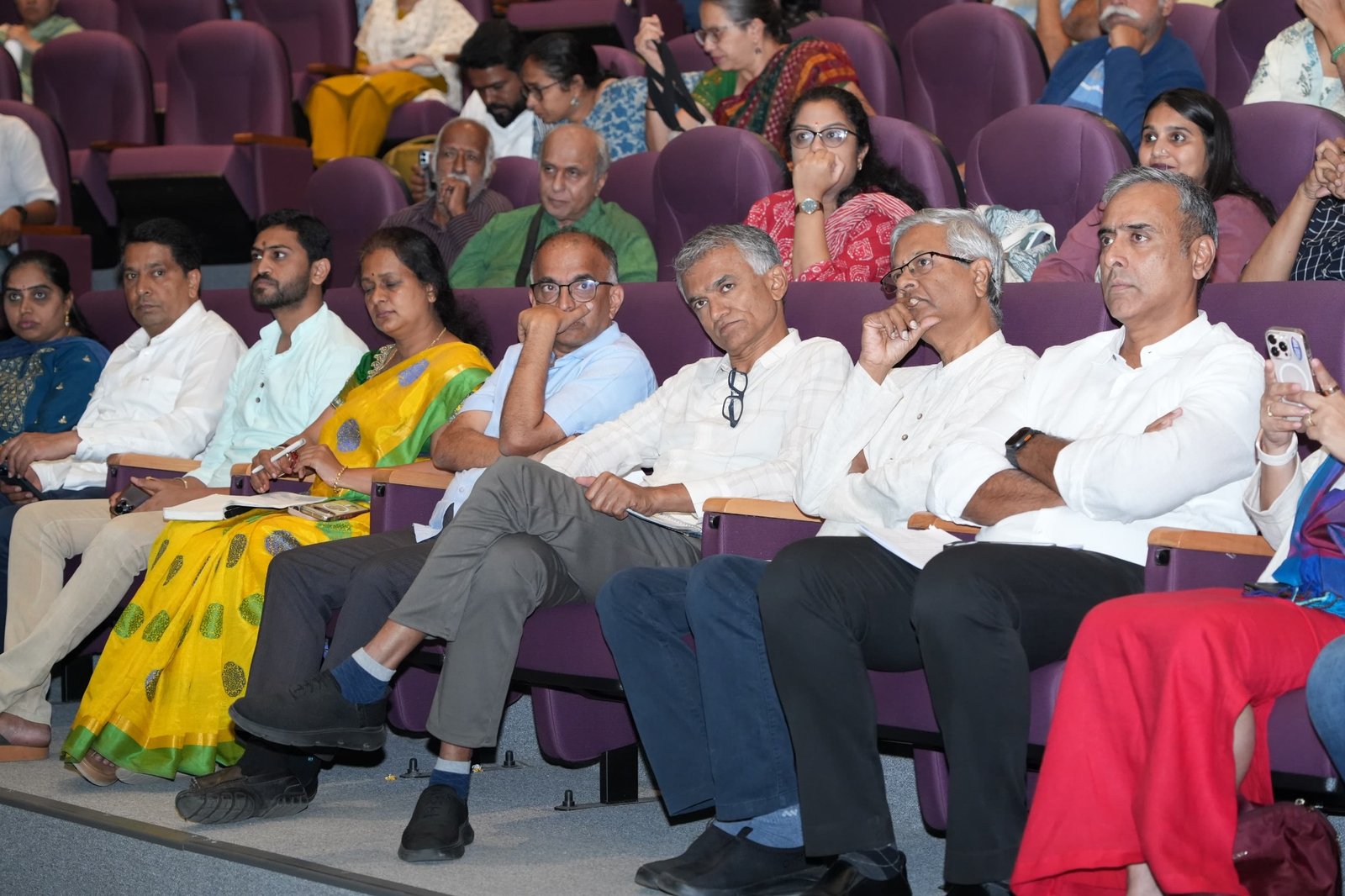
Speaking at a solid waste management stakeholder consultation at the Jawaharlal Nehru Planetarium on Thursday, he said ensuring that collection vehicles reached homes was the administration’s responsibility. He asked residents, in return, to hand over segregated waste to the vehicles instead of dumping it on roads.
According to the Greater Bengaluru Authority’s statement, the minister acknowledged gaps in collection and source segregation. He said these shortcomings could not be allowed to continue, even as technical issues had delayed the completion of new tenders.
Old contracts, more households and a collection shortfall
Vehicle numbers and collection capacity had been fixed according to the households and waste volumes that existed when earlier tenders were issued, Byre Gowda said. The population, number of homes and waste generation had since increased substantially, putting the existing system under pressure.
He put the current fleet at about 5,200 auto-tippers, each with roughly one-tonne capacity, and the overall collection capacity at about 5,200 tonnes against waste generation of around 6,500 tonnes.
Under the planned arrangement, 27 Assembly constituencies have been reorganised into 33 packages. About 4,500 vehicles, including vehicles with two- and three-tonne capacities, are envisaged, taking overall transport capacity to around 9,000 tonnes, he said.
GPS would be mandatory on all vehicles in the new system. It would allow officials to check whether a vehicle followed its assigned route, which streets it covered and how long it worked, strengthening accountability and transparency, the minister said.
What residents should do if nobody is home
Byre Gowda said immediate steps would be taken to provide collection in areas where the service was missing. Residents should segregate wet and dry waste and give it directly to collection workers when vehicles arrived.
If nobody was home, he advised residents to keep segregated waste safely within the compound or near the gate. Where there was no gate, a bin could be hung securely on the wall, he said, assuring residents that ensuring its collection by staff was his responsibility.
Roadside dumping encouraged others to discard waste at the same spot, creating garbage blackspots and knock-on problems for stormwater drains and other infrastructure, he said. Better service delivery therefore needed to be accompanied by responsible public participation.
Bulk generators adding to household collection burden
The minister said Bengaluru had around 50,000 bulk waste generators, but only about 2,000 had arrangements with vendors. He alleged that others were improperly handing waste to workers on household collection routes, adding an estimated 1,000 tonnes to the system’s burden.
He said bulk generators must manage waste in accordance with applicable rules and arrange authorised vendors where required. They should segregate waste on their premises and compost it at source wherever the rules required.
Where bulk generators segregated, processed and composted waste at source, the administration was prepared to provide the necessary subsequent handling or disposal service without an additional fee, he said. He called for coordination to reduce the extra load on door-to-door collection.
Segregation must survive the collection process
Keeping wet and dry waste separate after collection was as important as segregation at home, Byre Gowda said. About 2,100 tonnes of segregated wet waste was being sent to processing facilities, he said.
He said the quantity going to landfill had fallen from around 4,000 tonnes to about 2,500 tonnes. Increasing segregation at source could bring a substantial improvement across the waste management system, he added.
Clean-up drives and a three-to-four-month follow-up
Byre Gowda said the GBA had removed around 1.42 lakh tonnes of construction and other accumulated waste, while the Bangalore Development Authority had cleared about 80,000 tonnes of old waste. BESCOM had also undertaken cleaning around transformers, alongside intensive ward-level clean-up drives.
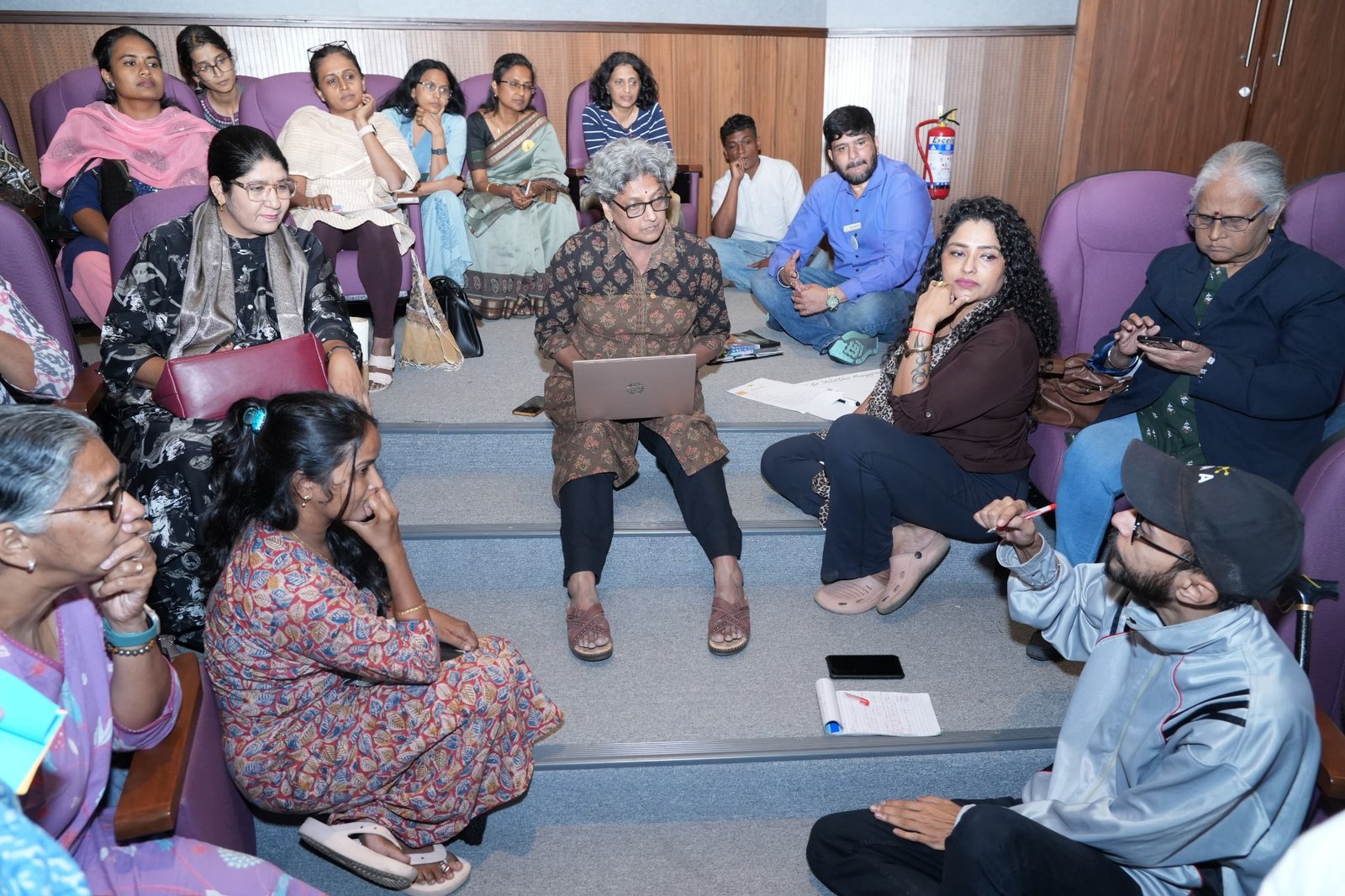
Stakeholder representatives and residents at the consultation were divided into five groups to discuss existing systems, problems and possible solutions. Each group presented its recommendations.
After hearing their suggestions, the minister promised to incorporate them into waste management over the next three to four months and hold another meeting to review the results.
He stressed that every occupation deserved respect and that accountability was needed at every level, from officials and sanitation workers to citizens. Lasting improvements would require the government, civic administration and residents to work together, he said.
Chief Commissioner Maheshwar Rao, North City Corporation Commissioner Pommala Sunil Kumar, Central City Corporation Commissioner G Jagadish, Bengaluru Solid Waste Management Limited CEO Karigowda and representatives of Janaagraha were among those present.
About the Author