KIADB’s 30% Property-Tax Share for Gram Panchayats: DK Shivakumar Seeks Collection, Transfer Details
Bengaluru: Chief Minister D.K. Shivakumar has sought a detailed account of property tax collected by the Karnataka Industrial Areas Development Board (KIADB) and the amount shared with gram panchayats, citing an existing provision for transferring 30% of the authority’s property-tax collections to the rural local bodies.
The direction follows concerns that gram panchayats have lost revenue after KIADB took over their power to levy taxes on industries. Shivakumar asked officials to provide the complete figures on collections and transfers, bringing the financial impact on panchayats into focus at a meeting on decentralisation.
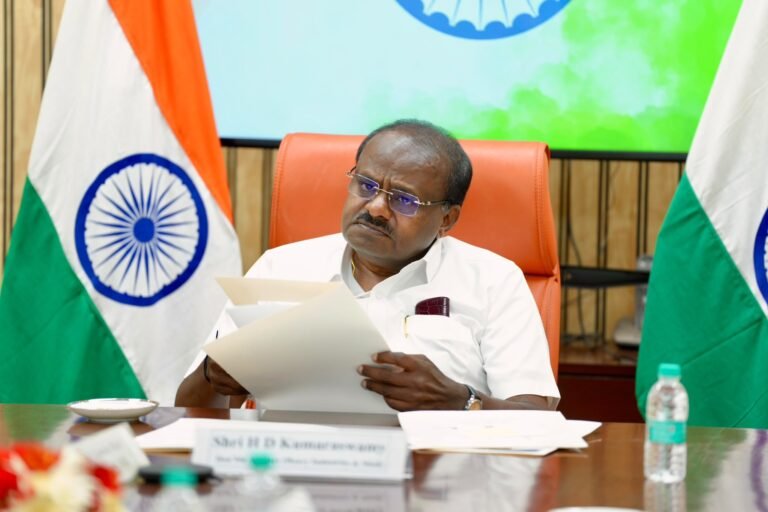
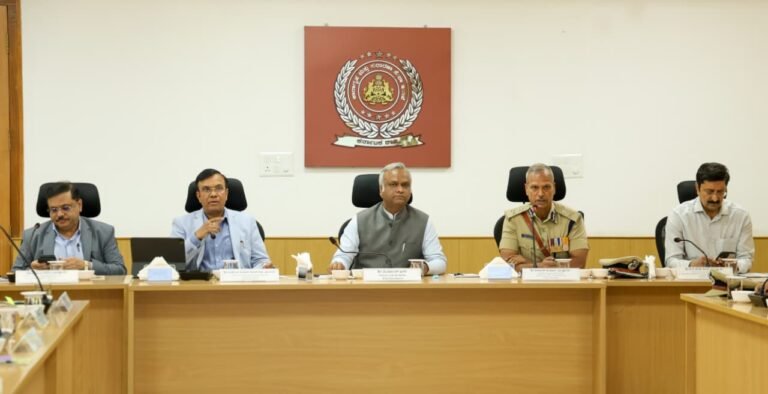
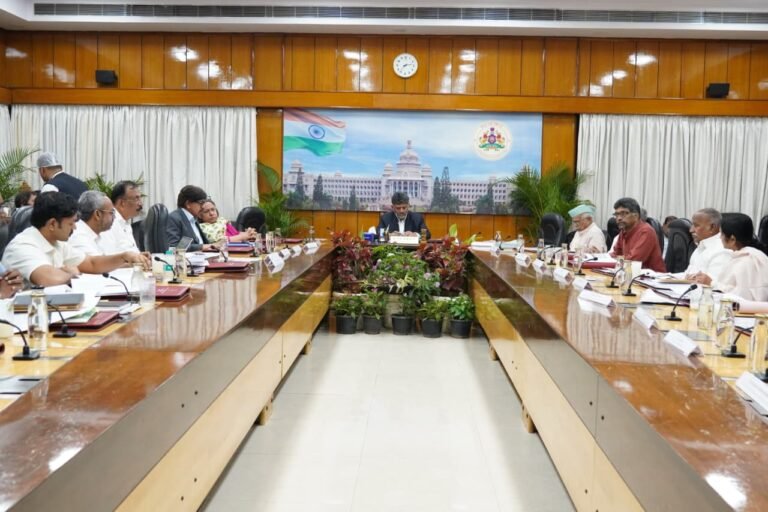
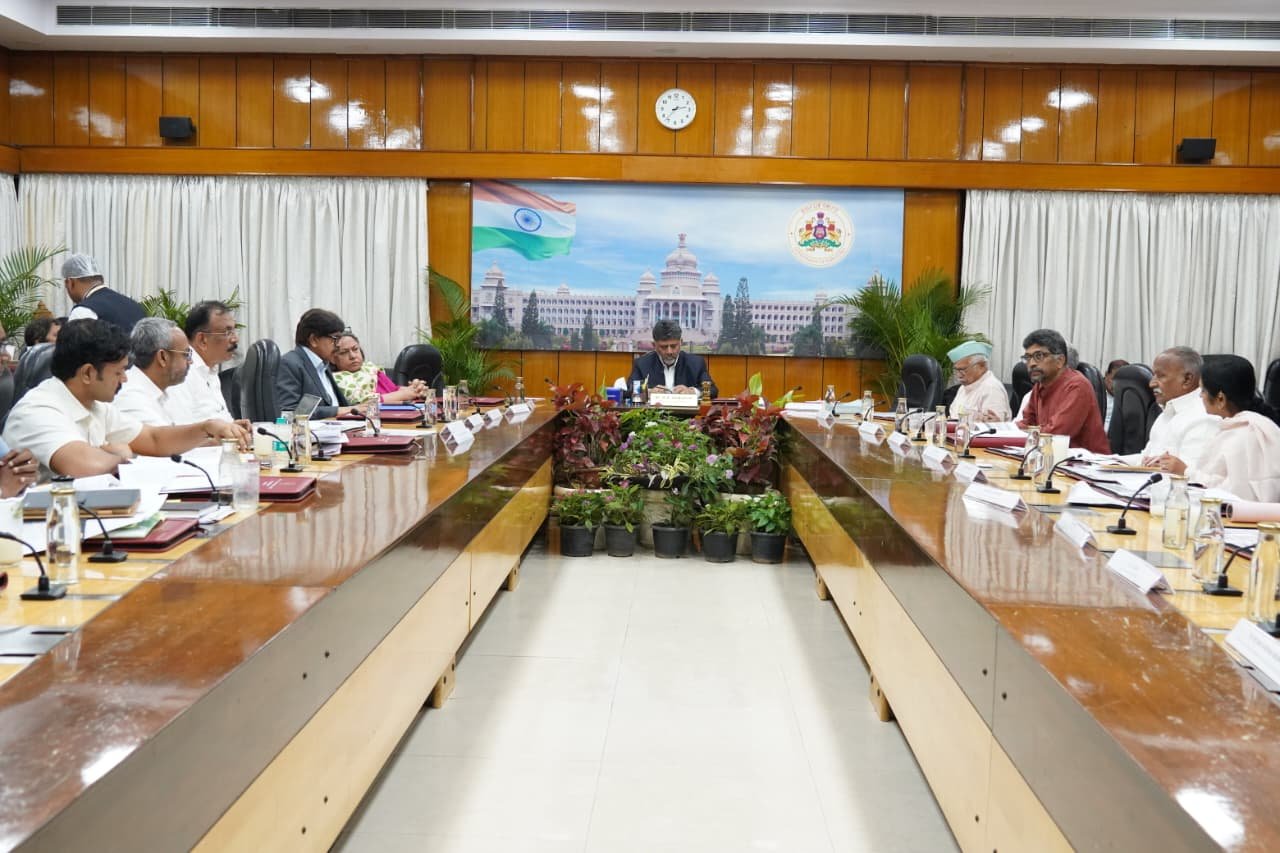
Chairing the Karnataka State Decentralisation Planning and Development Committee meeting at his home office, Krishna, in Bengaluru on Wednesday, October 14, Shivakumar said strengthening gram panchayat finances was necessary to reinforce decentralised governance.
“The Act provides for giving gram panchayats 30% of the property tax collected by the authority. Provide complete details of the tax collected by the authority so far and the amount distributed to gram panchayats,” he directed officials.
The instruction concerns disclosure of collections and sharing under an existing provision, rather than the announcement of a new 30% allocation.
Proposal for Local Bodies’ Share in GST
The meeting also addressed a separate proposal to give rural and urban local bodies a share in Goods and Services Tax revenue.
Responding to the proposal, Shivakumar said the matter would be placed before the GST Council.
He also said a proposal would be sought from the minister concerned on establishing a Karnataka Panchayat Administrative Service.
The measures were discussed as part of the government’s approach to improving local bodies’ finances, administrative capacity and ability to implement development programmes.
Committee to Examine Finance Commission Recommendations
Shivakumar said a committee chaired by the Rural Development Minister would be constituted to examine the implementation of the Fifth State Finance Commission’s recommendations on financial devolution and administrative reforms.
The committee would assess which recommendations could be implemented and submit a report, he said.
Referring to fund releases in accordance with the commission’s report, Shivakumar said ₹1,261 crore had been released to gram panchayats, ₹557 crore to taluk panchayats and ₹183 crore to zilla panchayats.
He said the government would take the necessary measures to improve the financial position of gram panchayats and strengthen the decentralisation framework.
Ward Sabhas Proposed on Gram Sabha Model
For urban local bodies, Shivakumar called for ward sabhas on the lines of gram sabhas, through which local development plans could be prepared and implemented.
He said the government would take the necessary steps to enable urban local bodies to function effectively in keeping with the objectives of the Constitution’s 74th Amendment.
Experts from the National Law College would be consulted on suitable amendments to the relevant laws, he said.
Referring to planning committees formed at the district, taluk and village levels, Shivakumar directed that they meet once every three months and submit reports. The requirement was to be followed mandatorily, he said.
‘Janara Yojane’ to Bring Local Demands Into State Budget
Shivakumar directed the Rural Development and Urban Development departments to issue guidelines for implementing ‘Janara Yojane’, or the People’s Plan, which had been announced in the Budget.
The initiative is intended to collect people’s demands from the grassroots and incorporate them into the state Budget, he said.
The departments were also instructed to develop the software required to support the process.
Shivakumar said the necessary funding should be provided to establish project management units at the district and taluk levels.
He also reviewed the preparation of responsibility maps for implementing programmes relating to gram panchayats, taluk panchayats and zilla panchayats.
All departments had already been directed to prepare these maps, he said, instructing them to complete and submit the exercise within the prescribed period.
SVAMITVA Data to Help Fix Village Settlement Boundaries
The Chief Minister directed officials to accelerate and complete the demarcation of gram thana, or village settlement, boundaries.
SVAMITVA data should be used for the exercise, he said, asking the Panchayat Raj and Revenue departments to work in coordination.
The boundary-demarcation directions accompanied the wider discussion on local planning, administrative responsibilities and the financial resources available to panchayats.
Financial Accountability at Centre of KIADB Direction
On industrial property-tax revenue, Shivakumar said the reduction in gram panchayat income following the withdrawal of their taxation powers had come to the government’s attention.
His direction requires officials to place both sides of the financial record before the government: what KIADB has collected and what it has distributed to gram panchayats under the 30% sharing provision.
The request for those figures formed a specific part of the broader discussion on strengthening local finances, alongside the proposed GST Council representation and the review of State Finance Commission recommendations.
MLAs Latha Mallikarjun and Govindappa, Legislative Council member S. Ravi, committee vice-chairman D.R. Patil, Fifth State Finance Commission chairman C. Narayanaswamy, the Chief Minister’s financial adviser L.K. Atheeq and Development Commissioner Uma Mahadevan were among those present at the meeting.
About the Author