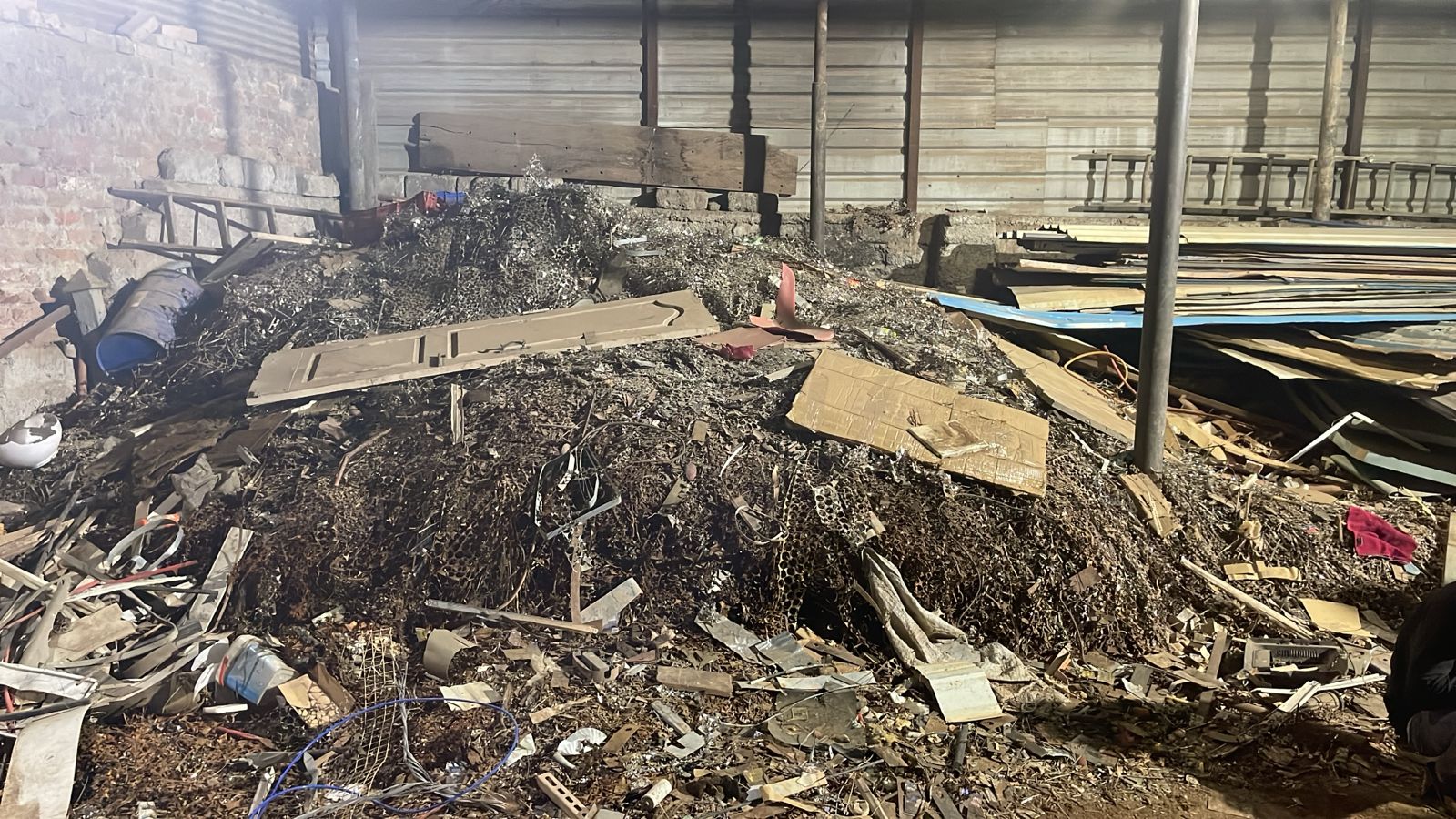
₹2,384 Crore Fake ITC Cartel Busted: Karnataka Commercial Taxes Department Uncovers Massive Tungsten Carbide Scrap Invoice Scam, Two Arrested
Bengaluru: In a major crackdown on GST fraud, the Enforcement Wing (South Zone) of the Karnataka Commercial Taxes Department has busted a massive ₹2,384 crore fake Input Tax Credit (ITC) cartel involving suspicious transactions linked to Tungsten Carbide scrap, e-waste and other scrap materials. Two accused have been arrested in Bengaluru, taking the total number of arrests in major fake ITC cartel cases this year to seven.
According to the Commercial Taxes Department, the racket was uncovered in coordination with the Service Analysis and Intelligence Wing following intelligence-based investigation into a highly organised fake invoicing network.
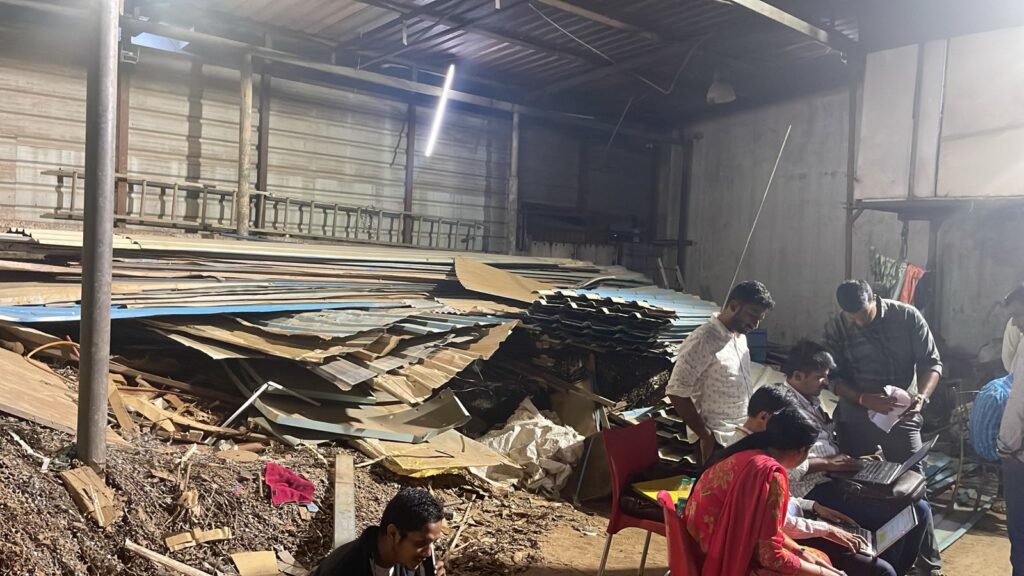
Tungsten Carbide Scrap at Centre of Investigation
Investigators identified high-value Tungsten Carbide scrap transactions as a key component of the alleged fraud network. Officials said the cartel used fake invoices linked to Tungsten Carbide scrap and e-waste trading to circulate fraudulent ITC through multiple bogus firms and shell entities.
Official sources stated that Tungsten Carbide is an extremely rare and specialised industrial scrap material that is generally not accessible to ordinary scrap collectors or small traders.
Sources further revealed that the actual market availability of Tungsten Carbide scrap is estimated at only around 8 to 10 tonnes per month, whereas the accused entities were allegedly issuing tax invoices reflecting transactions of nearly 30 to 35 tonnes per month, raising serious suspicion of accommodation entries and paper-based fake trading.
Officials also pointed out that Tungsten Carbide scrap commands exceptionally high market prices ranging between ₹8,000 and ₹12,000 per kilogram, depending on purity and quality, making it a preferred commodity for generating inflated invoice values and fraudulent tax credit claims.
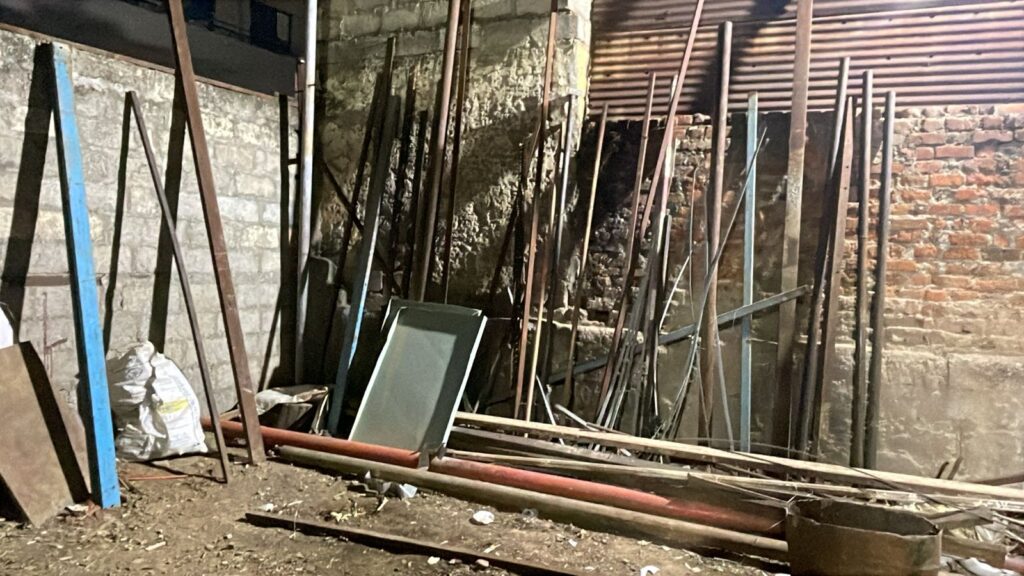
₹217 Crore Suspicious Tungsten Scrap Transactions
The Department stated that suspicious Tungsten Carbide scrap transactions alone accounted for nearly ₹217 crore turnover and fraudulent ITC of around ₹39 crore.
Investigators observed that Bengaluru would not ordinarily generate such enormous quantities of Tungsten Carbide scrap, strongly indicating that the transactions were merely fake accommodation entries without actual movement or supply of goods.
127 Bogus Firms Under Scanner
According to officials, the investigation exposed a fake invoicing network involving 127 bogus entities with aggregate suspicious turnover of approximately ₹2,384 crore and fraudulent ITC claims worth nearly ₹420 crore.
The probe found that:
- M/s SKS Traders, Nayandahalli allegedly availed fake ITC from 72 bogus supplier entities involving suspicious turnover of nearly ₹2,172 crore and fake ITC of around ₹382 crore.
- M/s KH E-Waste Recycler, Nayandahalli allegedly availed fake ITC from 55 bogus supplier entities involving suspicious turnover of about ₹212 crore and fraudulent ITC of nearly ₹38 crore.
Fake GST Registrations and Shell Companies
Officials said the accused created fake and benami GST registrations using forged documents, fabricated rental agreements and fraudulently obtained identity documents.
These shell entities allegedly existed only on paper and were used to circulate fake invoices and fraudulent ITC through layered banking transactions and circular trading without actual supply of goods.
Investigators also found that whenever the department blocked ITC or initiated notices, the fraudsters allegedly floated new bogus firms to continue the fake invoicing operations.
Advanced Analytics Helped Crack Cartel
The Commercial Taxes Department said advanced data analytics, banking transaction analysis, e-way bill intelligence, network mapping and the department’s in-house NGTP (Non-Genuine Taxpayer) Module played a major role in exposing the sophisticated fake ITC syndicate.
Officials confirmed that the investigation is still continuing and further arrests, recovery proceedings, property attachment measures and criminal prosecution against additional beneficiaries are likely in the coming days.
About the Author