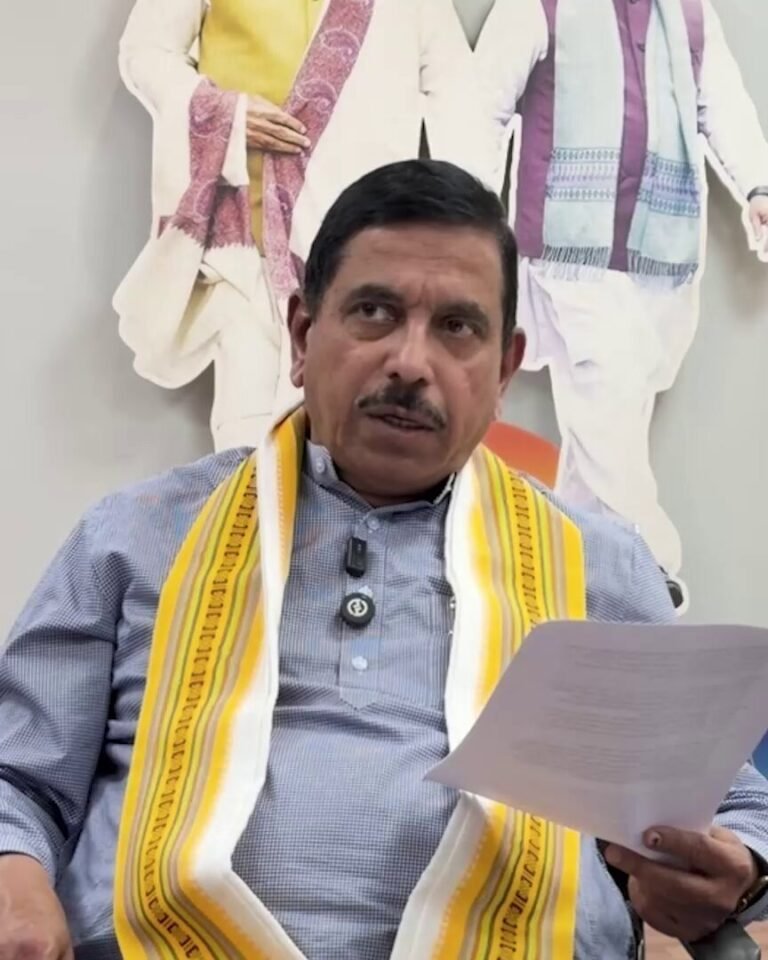
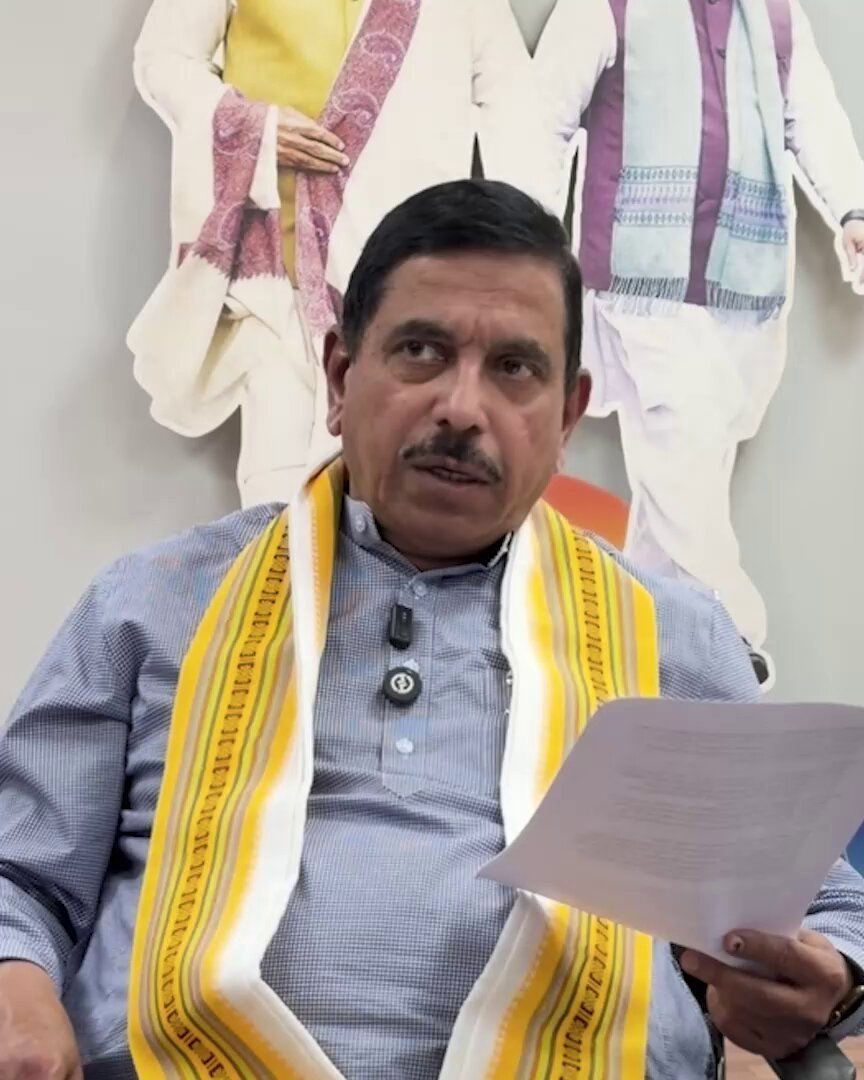
Union Minister Pralhad Joshi. File photo. Image: Video grab
Bengaluru: Union Minister Pralhad Joshi has accused Karnataka Minister Rizwan Arshad of “choosing sensationalism over responsible governance” in his press conference on ethanol blending, saying official test results show petrol sold across the country met the prescribed ethanol range.
Joshi said that, instead of “creating alarm through unverified claims of 26–31% ethanol in petrol”, the Minister should have first examined the official test results. All 893 samples tested across 27 States and Union Territories complied with the prescribed 19–21% range, he said. All 56 samples tested in Karnataka by the oil marketing companies (OMCs) were compliant too, recording 19–20% with an average of 19.30%.
Joshi questioned the Karnataka government’s test certificates. They state only “Ethanol % by Gas Chromatography” and do not mention the test method, calibration, dilution or reference sample, he said. The samples showing 26–31% ethanol in Karnataka recorded densities of just 0.742–0.749 g/cc, whereas the OMC samples that confirmed compliant E20 petrol recorded higher densities of 0.752–0.760 g/cc. With more than 20% ethanol, the density should have been much higher than that of E20 petrol, he said.
He also said none of the laboratories that tested the state’s samples were part of the approved Schedule 3 labs notified in the gazette. The deficiencies in the sampling procedure, retention samples and laboratory certification, he said, raise “serious questions about the credibility of the measurement”.
The Union Minister asked whether the Congress government in Karnataka was now opposed to the very ethanol programme that was started by the Congress. In 2005, the then Petroleum Minister Mani Shankar Aiyar had said the government wanted to increase ethanol blending if ethanol availability improved, he noted.
On farmers, Joshi said the Ethanol Blended Petrol programme has facilitated payments of over ₹1.66 lakh crore to farmers since 2014–15, created an additional market for sugarcane, improved the liquidity of sugar mills and helped ensure timely payment of cane dues. Nearly 97% of sugarcane dues for the 2025–26 season had been paid as of 20 August 2026, he said.
Citing Karnataka’s own figures, he said distilleries in the state were allocated 165.89 crore litres of ethanol in 2025–26, including 97.54 crore litres from sugarcane-based feedstocks. Of the 30 lakh metric tonnes of sugar diverted for ethanol across India, Karnataka alone accounted for 11.92 lakh metric tonnes as of 31 August 2026, nearly 40% of the national diversion. “If the Karnataka Government believes ethanol blending is detrimental to farmers, why does it seek greater ethanol allocation for its sugar industry?” he asked.
Joshi said the ethanol programme has also helped India save over ₹1.97 lakh crore in foreign exchange, substitute about 316 lakh metric tonnes of crude oil imports and reduce CO₂ emissions by about 952 lakh metric tonnes. “Is the Karnataka Congress Government standing with its farmers, or is it putting political sensationalism ahead of their economic interests?” he asked.
The state government said on Monday that it stands by its E20 test results and asked the oil companies how much ethanol is actually in the petrol sold at pumps, as reported earlier.
Read more related stories:
- Who Is Misleading on E20 Petrol? IndianOil Says 56 Karnataka Samples Met Norms; State Found Up to 31.2% Ethanol
- Ethanol in Petrol: CM Shivakumar Says Centre Cannot Shirk Responsibility; 67 Samples Tested Across Karnataka
- Pralhad Joshi Defends 20% Ethanol Blending, Calls Congress Opposition to E20 ‘Anti-Farmer’
- Karnataka Petrol Tests Find Up to 31.2% Ethanol as State Seeks Action on Over-Blending
About the Author