Bengaluru: Karnataka’s Legal Metrology Department said 11 of the 14 petrol samples listed in its test results contained more than 20% ethanol. The highest reading was 31.2% in an IOCL sample, followed by 30.5% in HPCL’s Power petrol. The findings prompted the state to seek disclosure, regulatory action and consumer compensation.
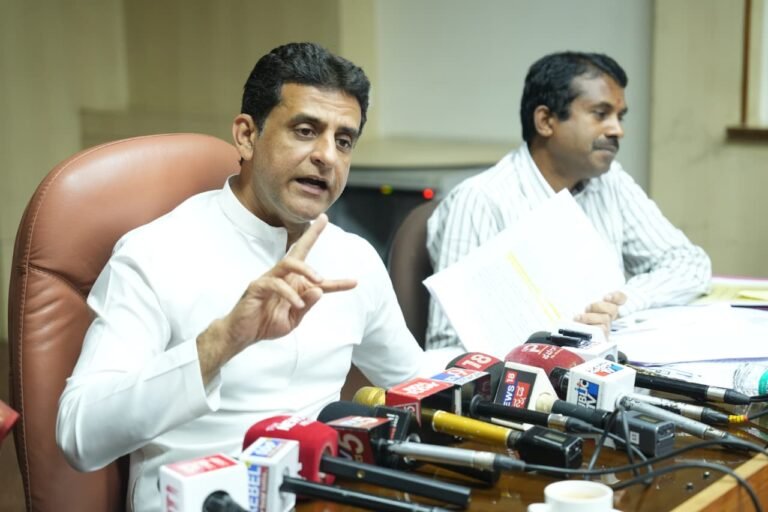
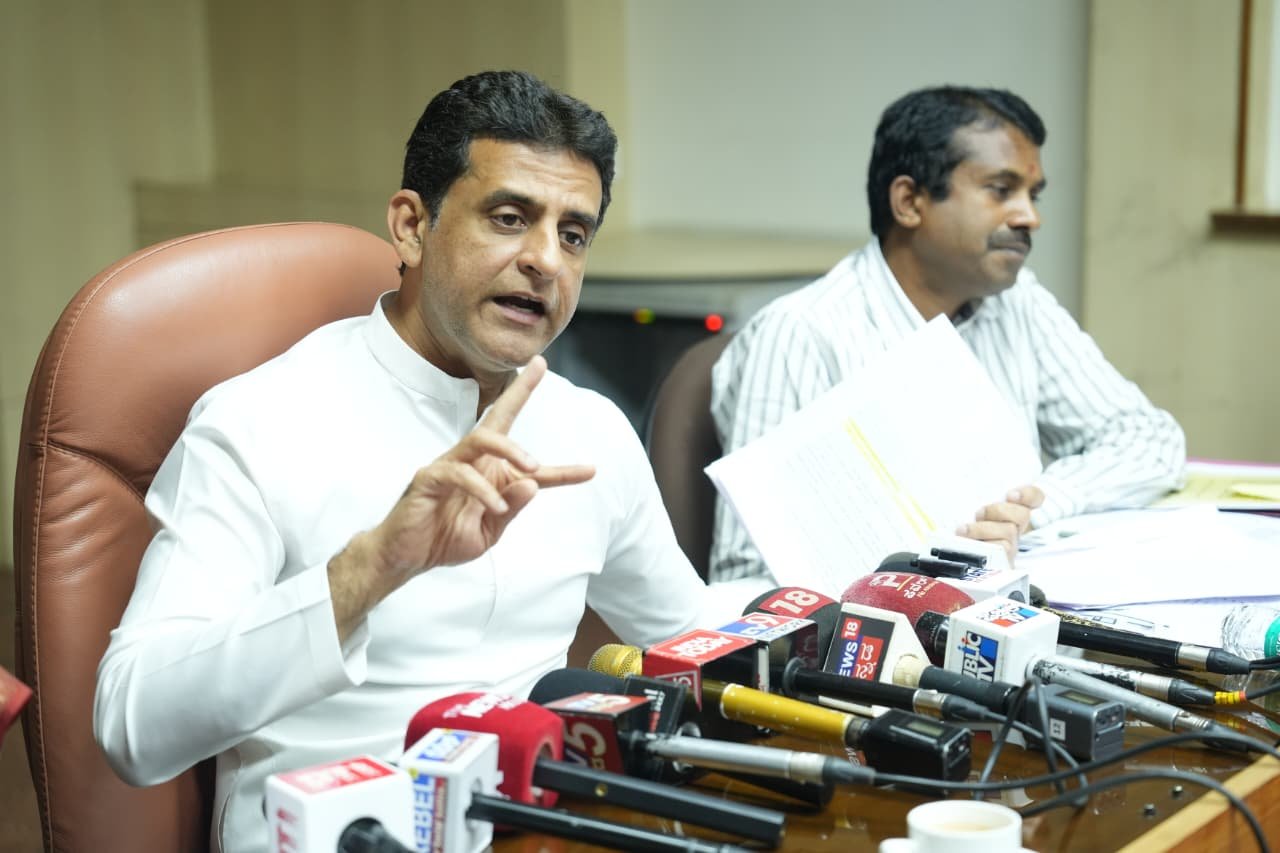
Food, Civil Supplies, Consumer Affairs and Legal Metrology Minister Rizwan Arshad presented the findings at a press conference on November 6. In an X post, he said the inspections were undertaken under the direction of Chief Minister D.K. Shivakumar and raised questions about transparency, regulatory compliance and consumers’ right to know the composition of the fuel they buy.
Rizwan Arshad’s original E20 test-results post on X
The press release said samples were collected in Bengaluru, Kolar, Chikkaballapura, Bengaluru Rural, Ramanagara, Mangaluru and Tumakuru. It listed 14 results covering petrol marketed by IOCL, HPCL, BPCL, Nayara, Shell and MRPL, while noting that the samples came from different locations. It did not identify the individual pumps or map each sample to a district.
The highest reading in the table was 31.2% ethanol in an IOCL petrol sample. It was followed by 30.5% in HPCL’s Power petrol, 27% in another HPCL sample, 26.5% in BPCL Speed, 26.1% in a Nayara sample and 25.5% in a Shell sample.
The table does not, however, show every sample above 20%. Eleven of the 14 listed readings exceed 20%, while three are below that level: BPCL at 19.9%, MRPL at 19.2% and Shell at 13.5%. This qualification is important because the release also makes the broader claim that samples from all major fuel companies showed more than 20% ethanol.
Ethanol readings listed in the release
| Company and sample | Ethanol |
|---|---|
| IOCL Petrol (MS) | 31.2% |
| HPCL Petrol (MS-Power) | 30.5% |
| HPCL Petrol (MS) | 27% |
| BPCL Petrol (MS-Speed) | 26.5% |
| Nayara Petrol (MS) | 26.1% |
| Shell Petrol (MS) | 25.5% |
| BPCL Petrol (MS) | 24.2% |
| BPCL Petrol (MS) | 22.6% |
| HPCL Petrol (MS) | 22.4% |
| IOCL Petrol (MS) | 20.8% |
| Nayara Petrol (MS) | 20.6% |
| BPCL Petrol (MS) | 19.9% |
| MRPL Petrol (MS) | 19.2% |
| Shell Petrol (MS) | 13.5% |
What the annexed laboratory certificates show
The supplied 10-page PDF contains four pages of the government’s release and six test certificates issued by Shriram Research Institute, Bengaluru. Those six certificates correspond to the six highest readings in the table: 31.2%, 30.5%, 27%, 26.5%, 26.1% and 25.5%.
The certificates identify gas chromatography as the method used to determine ethanol content. They record density readings ranging from 0.742 to 0.749 grams per cubic centimetre and show "Nil" for chloride.
The certificate numbers are TR01138 for the 31.2% result, TR01142 for 30.5%, TR01141 for 27%, TR01137 for 26.5%, TR01143 for 26.1% and TR01139 for 25.5%.
Individual certificate pages for the other eight readings in the press-release table — 24.2%, 22.6%, 22.4%, 20.8%, 20.6%, 19.9%, 19.2% and 13.5% — are not included in the supplied PDF. The documents therefore do not provide all 14 underlying certificates.
Department questions initial in-house reports
According to the release, samples were initially submitted to in-house laboratories of IOCL and BPCL. It alleges that reports issued by those laboratories did not disclose ethanol content even though it was among the prescribed testing parameters.
The department said it subsequently had samples tested at laboratories described in the release as NABL-accredited and ISO-certified. Its allegation about omissions in the in-house reports is a government claim contained in the supplied material; the PDF does not include copies of those initial company reports.
Consumer-cost estimates need qualification
The release estimates that India consumes 6,200 crore litres of fuel annually and argues that a 10% mileage loss at ₹100 per litre would translate into a ₹62,000-crore annual burden on consumers. It separately estimates ₹39,000 crore in repair costs arising from alleged damage to filters, fuel pumps, injectors, hoses and seals, producing what it describes as a combined burden of about ₹1.01 lakh crore a year.
These are estimates advanced by the department’s release, not findings established by the six attached laboratory certificates. The supplied PDF does not set out an underlying vehicle study, sample methodology or independent economic assessment for the mileage-loss and repair-cost calculations.
The release further claims that 99% of India’s 35 crore vehicles are not designed for ethanol blends above E20 and that vehicles sold after April 2023 are certified only up to E20. It also says motorists have little fuel choice because lower-ethanol petrol has been withdrawn from nearly one lakh fuel stations. Those wider assertions are not independently documented in the supplied annexures.
The document also cites combined FY 2025-26 profits of ₹77,821 crore for IOCL, BPCL and HPCL and makes a broader claim about automobile manufacturers’ earnings from servicing and spare parts. Those figures and claims remain attributed to the release.
Disclosure, penalties and compensation sought
The Karnataka government has demanded that the Union ministries of Road Transport and Highways and Petroleum and Natural Gas publicly clarify the actual ethanol blend being supplied to motorists.
The release also calls for action against oil-marketing companies supplying petrol with more than 20% ethanol; an E20 spoilage fund to compensate motorists for vehicle damage certified by authorised service centres; a time-bound claims process; mandatory display of blend percentages at every pump; and a choice of available fuel blends for consumers.
Karnataka says testing will continue
The state government said it would continue testing fuel samples and release further findings. The release refers to the Motor Spirit and High Speed Diesel (Regulation of Supply and Distribution and Prevention of Malpractices) Order, 2005, and Karnataka notification No. FCS 67 FPP 2008 dated April 15, 2009.
It says those provisions empower specified officials — including the Commissioner of Food, Civil Supplies and Consumer Affairs, the Controller and other Legal Metrology officers, Deputy Commissioners, tahsildars and police officers not below the rank of Deputy Superintendent — to act against malpractice in fuel supply and distribution.
The release links the testing exercise to Mission Nikhara, under which the state says it will seek accurate measurement and quality assurance for goods sold to consumers.
The supplied material does not include responses from the oil-marketing companies named in the table. This report may be updated if a response is received.
About the Author