KJ George Says Tourism AI Must Benefit Homestays, Guides and Artisans, Not Just Big Companies
Bengaluru: Homestay owners, tourist guides, artisans and small entrepreneurs must share in the benefits of artificial intelligence in tourism, rather than leaving the gains to large companies alone, Energy and Tourism Minister K.J. George said on Sunday.
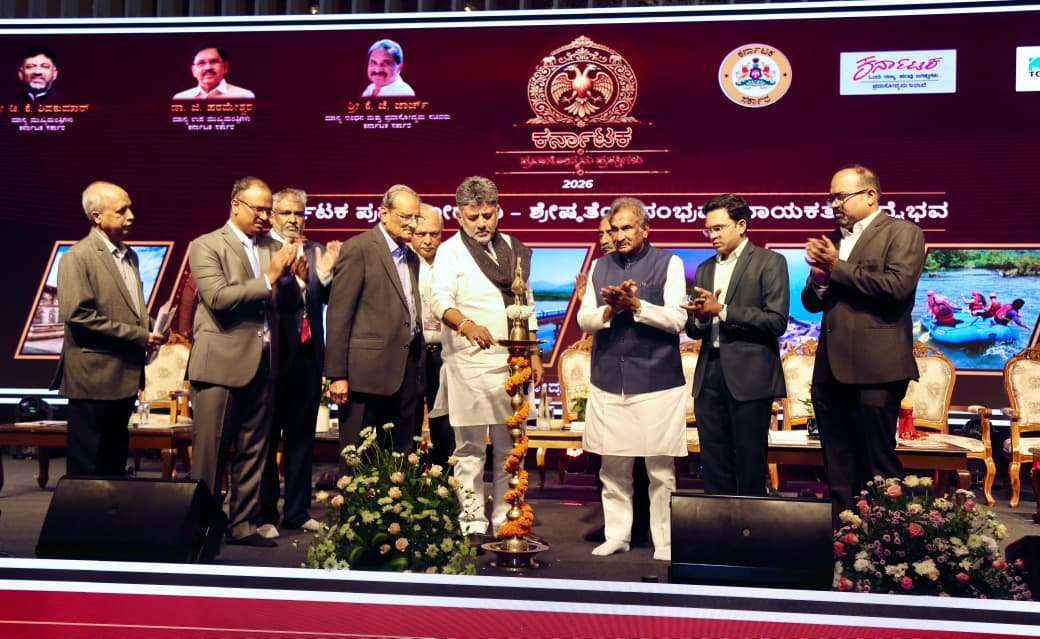
Speaking at the World Tourism Day 2026 celebrations in Bengaluru on September 27, George called for a shift beyond digital marketing towards a connected digital ecosystem that improves the entire visitor experience while supporting local livelihoods and sustainable tourism.
At the event, he joined Chief Minister D.K. Shivakumar in presenting the Karnataka Tourism Awards, which recognised contributions across 35 categories for the first time in the Tourism Department’s history.
“We should use Artificial Intelligence not merely to make tourism smarter, but to make it more inclusive, sustainable and meaningful. The benefits of this transformation must reach not only large companies, but also homestay owners, tourist guides, artisans, small entrepreneurs and young people,” George said.
Personalised Itineraries and Multilingual Visitor Services
George outlined how AI-based services could help visitors plan journeys according to their interests, the time available for travel and their individual requirements.
Such services could provide personalised itineraries, offer information in multiple languages and connect visitors with recognised tourism service providers, he said.
The Tourism Department is working towards developing these technology-driven solutions, according to the minister. He said the objective should be to improve the full visitor experience rather than confining digital technology to promoting destinations.
His remarks placed both visitors and tourism businesses within the proposed digital approach: travellers could receive more relevant information and planning assistance, while service providers could be connected with potential customers.
Data to Guide Destination Planning
George said AI and data analytics could also support the department’s planning and management of tourist destinations.
He identified visitor movement, seasonal demand, destination popularity, accommodation patterns and infrastructure requirements as areas where data could help officials make better-informed decisions.
Understanding these patterns could support evidence-based destination planning and management, he said, linking the use of technology to how tourism locations are developed and managed, not just how they are marketed.
The minister also identified visitor-flow management and sustainable tourism among the areas where technology-based solutions could be developed.
Training and Technology Support for Smaller Businesses
George stressed the need to digitally empower small hotels, homestays, tourist guides, transport operators, artisans and local entrepreneurs through training and technology support.
He said the benefits of the sector’s digital transformation should extend to these participants, including young people, alongside larger tourism companies.
Bengaluru’s technology, startup and research ecosystem could help develop the required solutions, he said.
The possibilities he outlined included smart destinations, multilingual tourism services, virtual experiences, visitor-flow management and tools supporting sustainable tourism. He called for the state’s technology capabilities to be used in ways that make tourism more inclusive and meaningful.
First Karnataka Tourism Awards Presented in 35 Categories
The Karnataka Tourism Awards recognised excellence and contributions across different segments of the industry.
Awardees represented hospitality, tour operations, tourist guiding, startups, rural tourism, sustainable initiatives, heritage destinations and allied sectors.
Congratulating the winners, George said Karnataka’s next phase of tourism growth would require close cooperation between the government, industry, technology companies, academic institutions and local communities.
He emphasised that the sector’s development should combine improved visitor experiences with wider opportunities for the people and businesses supporting tourism across the state.
About the Author