Duplicate Voter Registrations to Face Criminal Cases in Bengaluru South; 237 Additional AEROs Appointed for Roll Revision
Bengaluru: Bengaluru South Additional District Election Officer K.N. Ramesh has directed officials to initiate criminal cases under Section 31 of the Representation of the People Act if voters are found registered in more than one place, including simultaneous registrations in Karnataka and another state, as part of the ongoing Special Intensive Revision of electoral rolls.
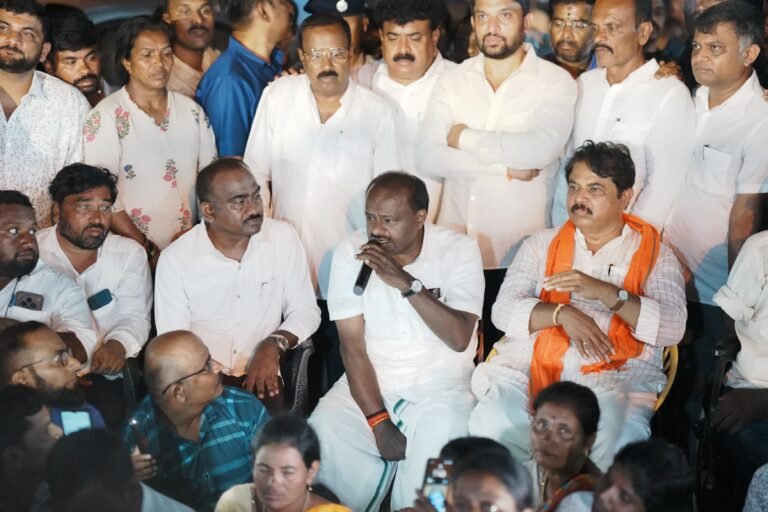
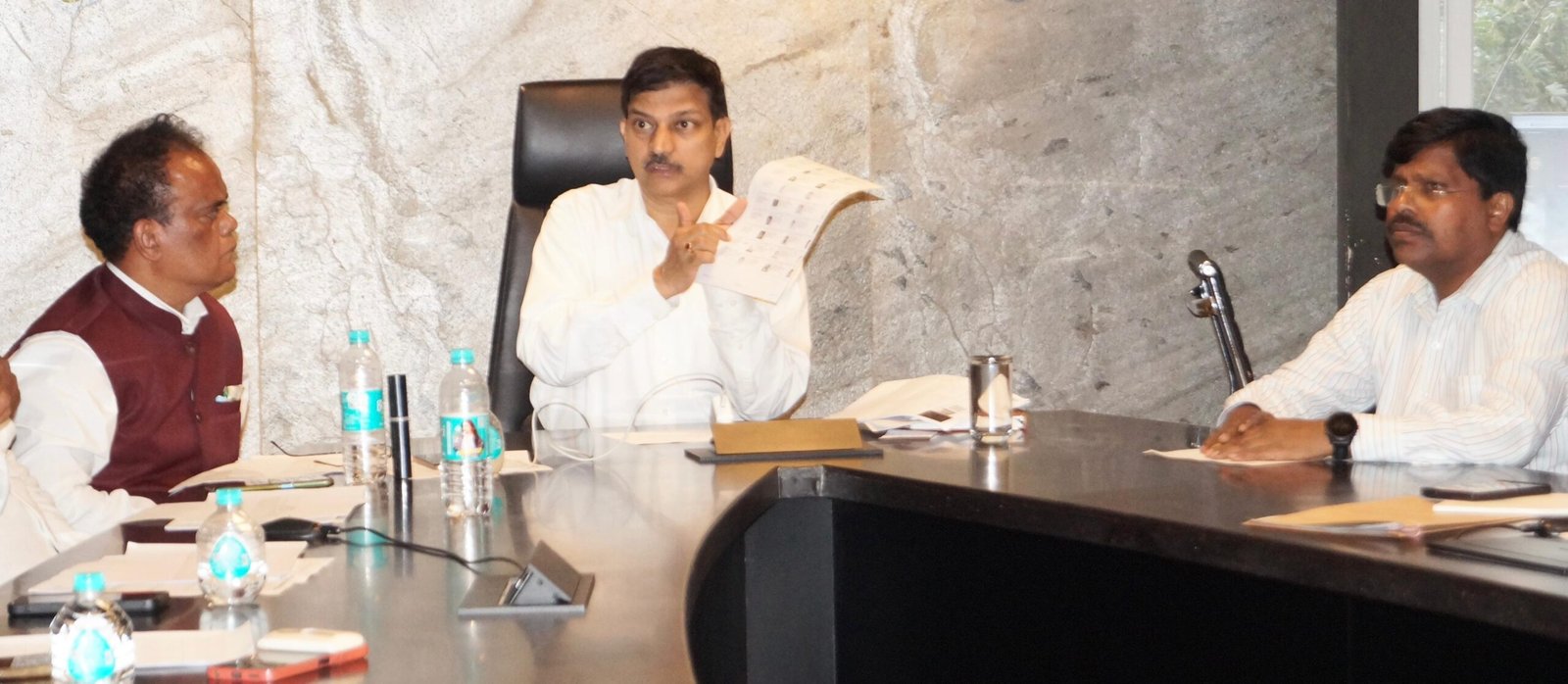
The direction was issued at a comprehensive consultation meeting chaired by Ramesh with representatives of recognised political parties on the electoral roll revision underway in Bengaluru South City district.
Officials were also told to strictly re-verify Form 6 and Form 8 applications and consider only eligible cases.
According to the revised schedule of the Election Commission of India, the draft electoral roll was published on August 24, 2026, and copies have already been distributed to all recognised political parties with acknowledgements obtained. As of September 3, pen drives containing Forms 9, 10 and 11 along with the draft electoral roll without photographs were also handed over to party representatives.
Notices are being issued in accordance with Election Commission rules to voters whose entries could not be mapped with the 2002 electoral roll and to those whose records show logical discrepancies. Constituency-wise details of unmapped voters have been sent to political parties by email.
Electoral Registration Officers were directed to download from the website the daily list of voters being served notices and share it with political parties.
To complete hearings under the special revision within the prescribed timeframe, 237 additional Assistant Electoral Registration Officers have been appointed through a gazette notification and given special training.
Officials were instructed to identify convenient hearing locations, including ward offices, and conduct hearings in phases, handling a maximum of 50 to 60 cases a day.
Ramesh said voters receiving notices must be given at least seven days to appear for a hearing. If a voter cannot attend on the first scheduled date because of an emergency or unavoidable circumstances, a second notice must be issued and another hearing provided.
Special arrangements will be made for hospitalised voters, senior citizens aged above 80 and voters with disabilities. Instead of requiring them to visit offices for hearings, Booth Level Officers or AEROs will visit them at their homes or hospitals and carry out the necessary verification, officials said.
Officials were directed to maintain a prescribed Hearing Register to systematically record documents submitted by voters. Documents produced during hearings must be endorsed and uploaded to the system. Notices must clearly specify the date, time and venue of the hearing and carry the required seal.
The meeting also decided to intensify public awareness about the electoral roll revision, disposal of notices and documents required for hearings. One loudspeaker-equipped autorickshaw will be deployed in each ward for morning and evening announcements. Kannada and English banners and flex boards will also be displayed at schools, colleges, junctions and other crowded locations.
Representatives of political parties raised complaints concerning the functioning of Booth Level Officers, discrepancies in section addresses, BLO field visits and receipt of Form 19. Ramesh directed the concerned EROs and AEROs to conduct immediate field inspections and take action to ensure there are no lapses.
Additional Commissioner Rachappa, Election Division Tahsildar Rashmi and representatives of recognised political parties were present at the meeting.
About the Author