CM D.K. Shivakumar Seeks Centre’s Approval for Key Bengaluru Metro and Regional Rail Projects
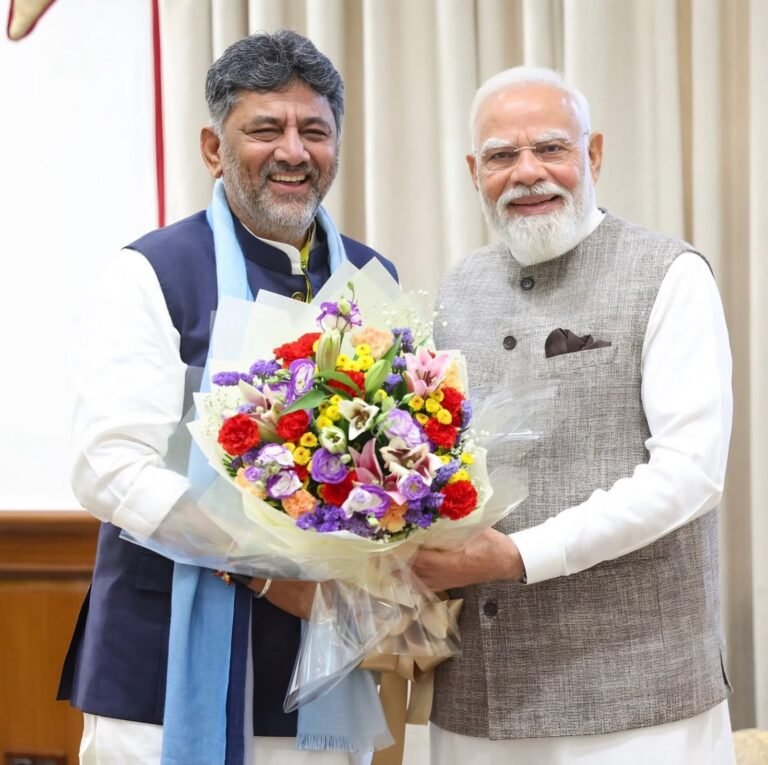
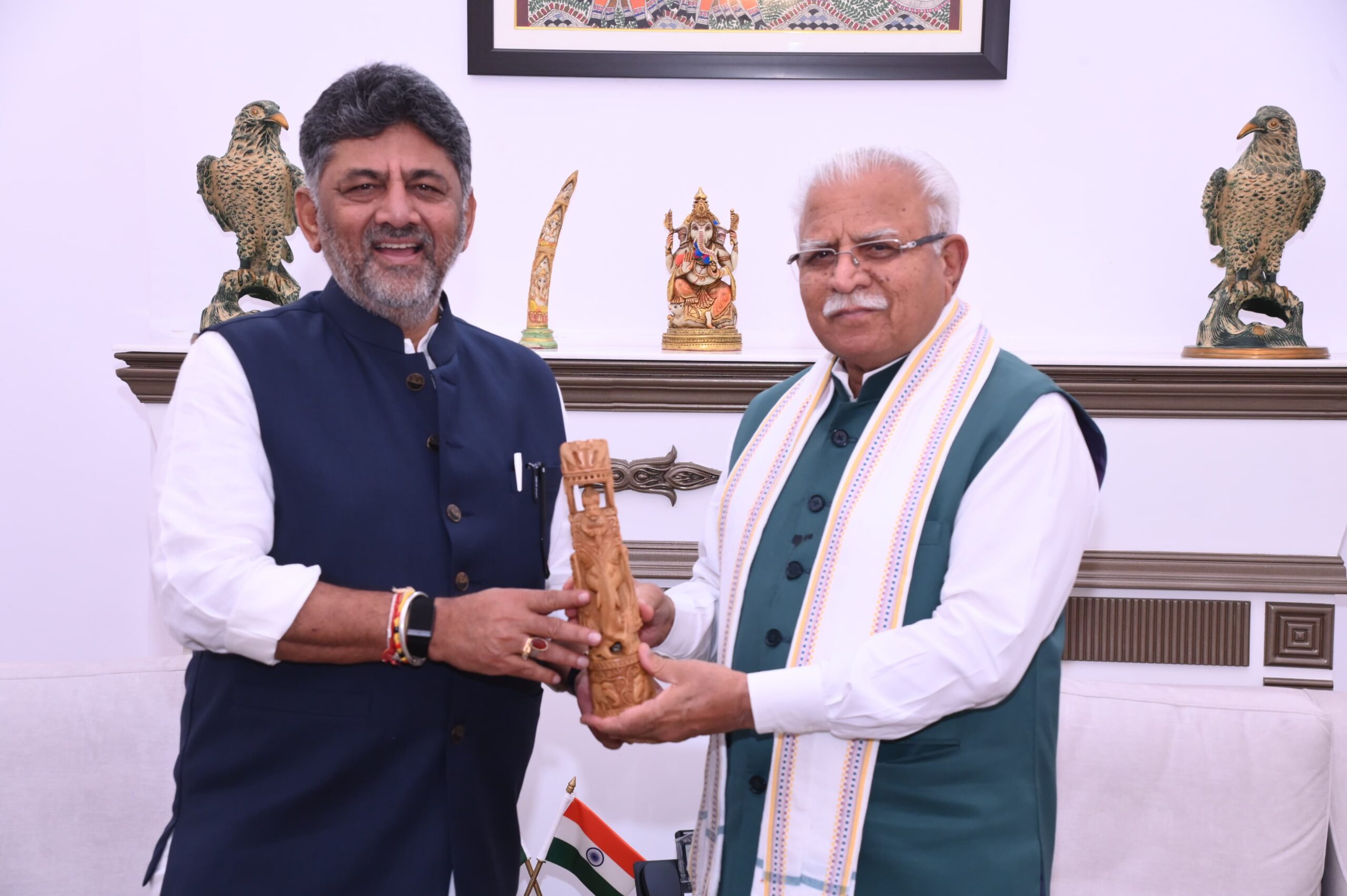
New Delhi/Bengaluru, June 10: Karnataka Chief Minister D.K. Shivakumar on Wednesday submitted a comprehensive proposal to Union Minister for Housing and Urban Affairs Manohar Lal Khattar, seeking expeditious approval for several major infrastructure projects aimed at transforming Bengaluru’s urban mobility landscape.
The proposals include approval for a double-decker metro corridor, revised costs for Metro Phase 2, clearance for Metro Phase 3A, and the implementation of a Regional Rapid Transit System (RRTS) connecting Bengaluru with key neighbouring cities and towns.
The Chief Minister emphasized that these projects are critical to addressing Bengaluru’s growing traffic challenges, strengthening public transport infrastructure, and supporting the city’s long-term economic growth.
Approval Sought for Double-Decker Metro Project
The Karnataka Government has sought final approval for the construction of a 44.65-kilometre double-decker elevated corridor under Bengaluru Metro Phase 3.
The proposal had originally received approval from the Central Government on September 13, 2024. The project is estimated to cost ₹9,700 crore, with the entire expenditure proposed to be borne by the Karnataka Government.
During the 118th Board Meeting of the Bengaluru Metro Rail Corporation Limited (BMRCL) held on January 19, 2026, certain modifications were proposed to the project design. The state government has now requested the Centre to grant BMRCL permission to commence implementation of the revised project at the earliest.
Officials believe the double-decker corridor will significantly optimize road and metro infrastructure by accommodating both transport systems within a single elevated structure, reducing land acquisition requirements and easing congestion on major corridors.
Clearance Requested for Revised Metro Phase 2 Cost
Chief Minister D.K. Shivakumar also urged the Union Government to approve the revised project cost of Bengaluru Metro Phase 2.
The Central Government had originally approved the project on February 21, 2014, at an estimated cost of ₹26,405.14 crore. The project spans 72.095 kilometres and includes 61 metro stations across the city.
However, due to escalation in construction costs, land acquisition expenses, and project modifications over the years, the revised project cost has increased to ₹40,425.02 crore, reflecting an increase of ₹14,019.88 crore.
The Karnataka Government has requested the Centre to approve the revised financial outlay without delay so that funding and implementation schedules remain on track.
Fast-Track Approval for Metro Phase 3A
The state government has also sought urgent approval for Bengaluru Metro Phase 3A, a major north-south connectivity project linking Sarjapur and Hebbal.
The proposed corridor will have a total length of 37.804 kilometres, including 14.28 kilometres of underground alignment and 23.524 kilometres of elevated sections.
Following directions from the Central Government, modifications were incorporated into the project design and a revised Detailed Project Report (DPR) with an estimated cost of ₹25,999 crore was submitted to the Centre on April 29, 2026.
The Chief Minister requested that the project receive early approval to facilitate timely commencement of construction works and to improve connectivity between Bengaluru’s rapidly expanding eastern and northern regions.
Regional Rapid Transit System Proposed for Five Corridors
In another major proposal, Chief Minister D.K. Shivakumar sought approval for implementing a Regional Rapid Transit System (RRTS) connecting Bengaluru with key growth centres across Karnataka.
The proposed RRTS corridors include:
- Bengaluru – Mysuru
- Bengaluru – Kanakapura
- Bengaluru – Tumakuru
- Bengaluru – Chikkaballapur
- Bengaluru – Kolar
The state government believes the high-speed regional rail network will significantly reduce travel time, support economic development in satellite towns, encourage balanced urban growth, and reduce pressure on Bengaluru’s road network.
Focus on Long-Term Urban Mobility
The proposals form part of Karnataka Government’s broader strategy to expand mass transit infrastructure and improve regional connectivity around Bengaluru.
With Bengaluru continuing to witness rapid population growth and increasing vehicle density, the state government has emphasized the need for accelerated investments in metro rail, regional transit systems, and integrated urban transport solutions.
The Karnataka Government has requested the Union Ministry of Housing and Urban Affairs to expedite approvals so that these transformative infrastructure projects can move into the implementation phase at the earliest.
About the Author