

Skip to content
The Bengaluru Live | Bengaluru News, Breaking Updates

The Bengaluru Live | Bengaluru News, Breaking Updates

Bengaluru’s Leading News Portal

bmc-ad
Primary Menu
  • HOME
  • Bengaluru
  • Karnataka
  • POLITICS
  • CRIME
  • Delhi
  • Kannada News
  • Hindi News
  • MORE NEWS
    • Supreme Court
    • CITY UPDATES
    • PM
    • SPORTS
    • STATE
    • EDUCATION
    • ENTERTAINMENT
    • HEALTH
    • Real Estate
    • SPORTS
    • CORONA
    • MOBILITY/TRANSPORT
    • Horoscope
  • Home
  • CITY UPDATES
  • Trillions of tonnes of carbon locked in soil has been left out of environmental models – and it’s on the move
  • CITY UPDATES
  • STATE

Trillions of tonnes of carbon locked in soil has been left out of environmental models – and it’s on the move

14 April 2024 5 minutes read
0
📘 Read this story in Kannada

Beijing/Canberra, Apr 14 (The Conversation) We all know about the carbon in Earth’s atmosphere, and probably about the carbon contained in plants and the bodies of animals. But a substantial fraction of the carbon in the planet’s land-based ecosystems is held in something so obvious we might overlook it: soil.

Even if we do think about carbon in soil, we are usually thinking of carbon in organic matter in the soil, such as plant litter, bacteria or animal waste. However, the inorganic, mineral component of soil also contains carbon.

In a new study just published in Science, we show there is much more soil inorganic carbon than anybody realised – and that it may be a surprisingly big player in Earth’s carbon cycle.

We analysed more than 200,000 soil measurements from around the world to calculate that the top two metres of soil globally holds about 2.3 trillion tonnes of inorganic carbon. This is about five times more carbon than found in all the world’s terrestrial vegetation. We estimate some 23 billion tonnes (1%) of this carbon may be released over the next 30 years, with poorly understood effects on Earth’s lands, waters and atmosphere.

What is soil inorganic carbon? Inorganic carbon exists in soils in various forms. It can be trapped carbon dioxide gas, dissolved in water or other liquids, or it can be in solid form as carbonate minerals.

Most of the inorganic carbon by weight is solid carbonates, often calcium carbonate (a common substance found in materials such as limestone, marble and chalk). They give soil a whitish look, while organic carbon makes it dark.

Soil carbonates can come either from weathering of rocks or from the reaction of soil minerals with atmospheric carbon dioxide.

Inorganic carbon tends to build up more in soil in arid and semi-arid environments such as Australia. That’s because when water runs through soil it tends to carry away some of the carbonates with it.

Our estimates show the top two metres of Australia’s soil harbours some 160 billion tonnes (7%) of the world’s inorganic carbon. This makes Australia home to the fifth-largest pool of soil inorganic carbon in the world.

In wetter regions, soil carbonates may also be found along rivers and around lakes and coastal areas, in the form of calcium-rich alluvial deposits or calcareous rocks. Soils in karst regions – areas rich in rocks like limestone, and often characterised by caves and sinkholes – typically contain carbonate in rocks. In areas such as central Asia large deposits of wind-blown sediments (loess) contribute to the accumulation of carbonate minerals.

Why should we care? This huge pool of carbon is affected by changes in the environment, especially soil acidification. Acids dissolve calcium carbonate, meaning the carbon dissolves in water or is released as carbon dioxide gas.

Soil in many regions of the globe (such as China and India) is becoming more acidic due to acid rain and other pollution from industrial activities and intense farming.

Scientists have viewed carbonates in soil as a relatively stable pool of carbon that changes only slowly over time. However, human activities have made soil inorganic carbon more mobile.

Irrigation and fertilisation of farmland speed up the rate at which soil inorganic carbon is dissolved and leaches out of the soil.

Inorganic carbon has accumulated in soil over vast periods of Earth’s history. Disturbances to this carbon will have a profound impact on soil health.

Disruption to this carbon compromises soil’s ability to neutralise acidity, regulate nutrient levels, foster plant growth, and stabilise organic carbon. Not only does soil inorganic carbon act as a store of carbon, it also supports soil’s many crucial functions in ecosystems.

In our research, we found that 1.13 billion tonnes of inorganic carbon are lost from soils each year to inland waters. This loss has profound yet often overlooked effects on carbon transport between the land, freshwater bodies, the atmosphere and the oceans.

What to do? There is a growing recognition of the importance of soil carbon as a fundamental part of nature-based solutions to combat climate change. However, much of the focus so far has been on organic carbon. Our research shows inorganic carbon warrants equal attention.

Improved land practices can reduce disturbance to the global pool of soil inorganic carbon, and may even be able to make it bigger. In agriculture, making irrigation and fertilisation better adjusted to plant growth needs can reduce impact on inorganic carbon. In some soils, organic amendments such as compost and manure can protect against acidification, improve calcium levels and increase soil inorganic carbon.

Our research shows efforts to mitigate climate change by sequestering carbon in soil must incorporate inorganic carbon as well as organic.

Inorganic carbon in soil is linked to global changes such as climate change, industrial pollution and soil overuse in different ways from those of organic carbon. However, some strategies to lock up more carbon in soil – such as enhanced rock weathering, afforestation, and trapping organic carbon in soil minerals – might also serve to increase levels of inorganic carbon.

There are already international soil carbon programs like the 4 per mille initiative, which aims to increase soil carbon storage by 0.4% annually across the globe. These efforts could further increase their ambition by considering the critical role of inorganic carbon in achieving sustainable soil management and reaching climate targets. (The Conversation) NSA NSA

About the Author

View All Posts

Post navigation

Previous: Have maturity to gel with JD(U) to ensure third term for Modi: Chirag Paswan
Next: Man found dead with head injuries in Navi Mumbai; murder case registered

Leave a Reply Cancel reply

Your email address will not be published. Required fields are marked *

Related Stories

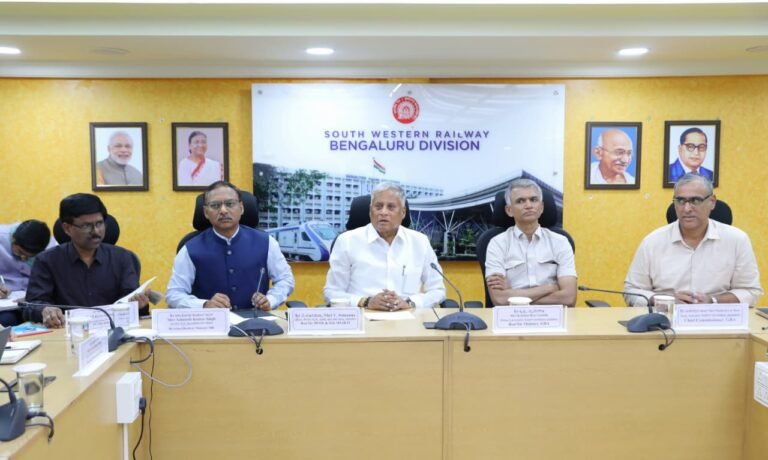
Railways, GBA to Launch Joint Action Against Illegal Dumping on Railway Land in Bengaluru
  • Bengaluru
  • CITY UPDATES

Railways, GBA to Launch Joint Action Against Illegal Dumping on Railway Land in Bengaluru

Satya Prakash Chaubey 25 July 2026
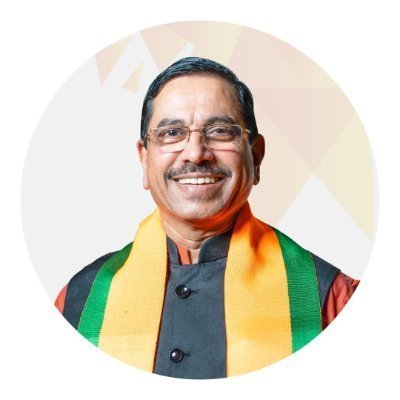
President Accepts Dharmendra Pradhan's Resignation; Pralhad Joshi Given Additional Charge of Education Ministry
  • Government
  • EDUCATION
  • STATE

President Accepts Dharmendra Pradhan’s Resignation; Pralhad Joshi Given Additional Charge of Education Ministry

Satya Prakash Chaubey 25 July 2026
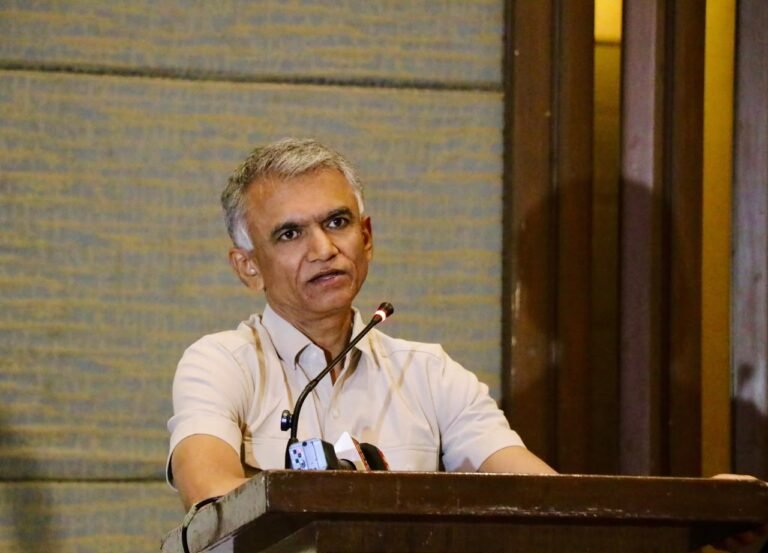
Karnataka Allocates ₹450 Crore for Comprehensive Redevelopment of ORR Corridor, Says Minister Krishna Byre Gowda
  • Bengaluru
  • CITY UPDATES

Karnataka Allocates ₹450 Crore for Comprehensive Redevelopment of ORR Corridor, Says Minister Krishna Byre Gowda

The Bengaluru Live 25 July 2026

Latest Post

Railways, GBA to Launch Joint Action Against Illegal Dumping on Railway Land in Bengaluru Railways, GBA to Launch Joint Action Against Illegal Dumping on Railway Land in Bengaluru
  • Bengaluru
  • CITY UPDATES

Railways, GBA to Launch Joint Action Against Illegal Dumping on Railway Land in Bengaluru

25 July 2026
President Accepts Dharmendra Pradhan’s Resignation; Pralhad Joshi Given Additional Charge of Education Ministry President Accepts Dharmendra Pradhan's Resignation; Pralhad Joshi Given Additional Charge of Education Ministry
  • Government
  • EDUCATION
  • STATE

President Accepts Dharmendra Pradhan’s Resignation; Pralhad Joshi Given Additional Charge of Education Ministry

25 July 2026
Karnataka Allocates ₹450 Crore for Comprehensive Redevelopment of ORR Corridor, Says Minister Krishna Byre Gowda Karnataka Allocates ₹450 Crore for Comprehensive Redevelopment of ORR Corridor, Says Minister Krishna Byre Gowda
  • Bengaluru
  • CITY UPDATES

Karnataka Allocates ₹450 Crore for Comprehensive Redevelopment of ORR Corridor, Says Minister Krishna Byre Gowda

25 July 2026
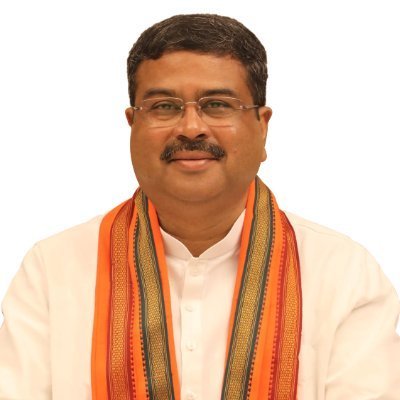
Dharmendra Pradhan Resigns as Union Education Minister, Cites NEET-UG Controversy and Youth Interest Dharmendra Pradhan Resigns as Union Education Minister, Cites NEET-UG Controversy and Youth Interest
  • STATE
  • EDUCATION

Dharmendra Pradhan Resigns as Union Education Minister, Cites NEET-UG Controversy and Youth Interest

25 July 2026
Minister Krishna Byre Gowda Honours GBA Officials Assaulted During Shivajinagar Footpath Encroachment Drive Minister Krishna Byre Gowda Honours GBA Officials Assaulted During Shivajinagar Footpath Encroachment Drive
  • Bengaluru
  • CITY UPDATES

Minister Krishna Byre Gowda Honours GBA Officials Assaulted During Shivajinagar Footpath Encroachment Drive

24 July 2026
Karnataka to Revive Government Flying Training School at Jakkur, Says DCM G. Parameshwara Karnataka to Revive Government Flying Training School at Jakkur, Says DCM G. Parameshwara
  • Government
  • Bengaluru

Karnataka to Revive Government Flying Training School at Jakkur, Says DCM G. Parameshwara

24 July 2026

You may have missed

Railways, GBA to Launch Joint Action Against Illegal Dumping on Railway Land in Bengaluru
  • Bengaluru
  • CITY UPDATES

Railways, GBA to Launch Joint Action Against Illegal Dumping on Railway Land in Bengaluru

Satya Prakash Chaubey 25 July 2026
President Accepts Dharmendra Pradhan's Resignation; Pralhad Joshi Given Additional Charge of Education Ministry
  • Government
  • EDUCATION
  • STATE

President Accepts Dharmendra Pradhan’s Resignation; Pralhad Joshi Given Additional Charge of Education Ministry

Satya Prakash Chaubey 25 July 2026
Karnataka Allocates ₹450 Crore for Comprehensive Redevelopment of ORR Corridor, Says Minister Krishna Byre Gowda
  • Bengaluru
  • CITY UPDATES

Karnataka Allocates ₹450 Crore for Comprehensive Redevelopment of ORR Corridor, Says Minister Krishna Byre Gowda

The Bengaluru Live 25 July 2026
Dharmendra Pradhan Resigns as Union Education Minister, Cites NEET-UG Controversy and Youth Interest
  • STATE
  • EDUCATION

Dharmendra Pradhan Resigns as Union Education Minister, Cites NEET-UG Controversy and Youth Interest

Satya Prakash Chaubey 25 July 2026

About us

The Bengaluru Live is one of the local digital media house which is publishing news in English and in Kannada language. We are also one of the largest local news providers on the internet through our news websites.

Useful Links

  • Advertise with us
  • Contact us
  • Privacy Policy

Recent News

  • Railways, GBA to Launch Joint Action Against Illegal Dumping on Railway Land in Bengaluru
  • President Accepts Dharmendra Pradhan’s Resignation; Pralhad Joshi Given Additional Charge of Education Ministry
  • Karnataka Allocates ₹450 Crore for Comprehensive Redevelopment of ORR Corridor, Says Minister Krishna Byre Gowda
  • Dharmendra Pradhan Resigns as Union Education Minister, Cites NEET-UG Controversy and Youth Interest
©Copyright 2026 The Bengaluru Live All rights reserved. | MoreNews by AF themes.