Karnataka Allocates ₹450 Crore for Comprehensive Redevelopment of ORR Corridor, Says Minister Krishna Byre Gowda
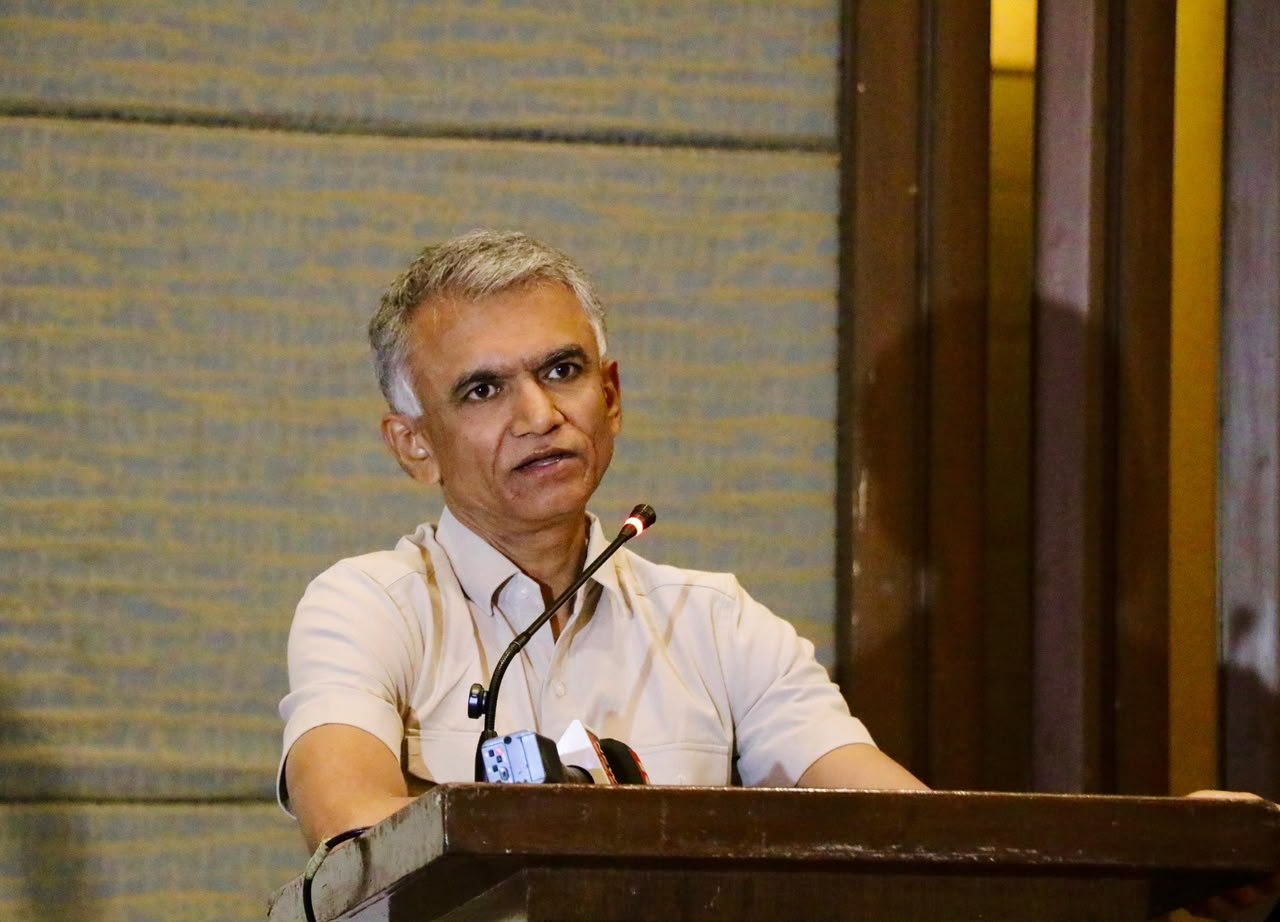
Bengaluru, July 25: The Karnataka Government has allocated ₹450 crore for the comprehensive redevelopment of the Outer Ring Road (ORR) corridor from K.R. Puram to Central Silk Board to upgrade infrastructure and provide a long-term solution to traffic congestion, Bengaluru Development Minister Krishna Byre Gowda announced on Saturday.
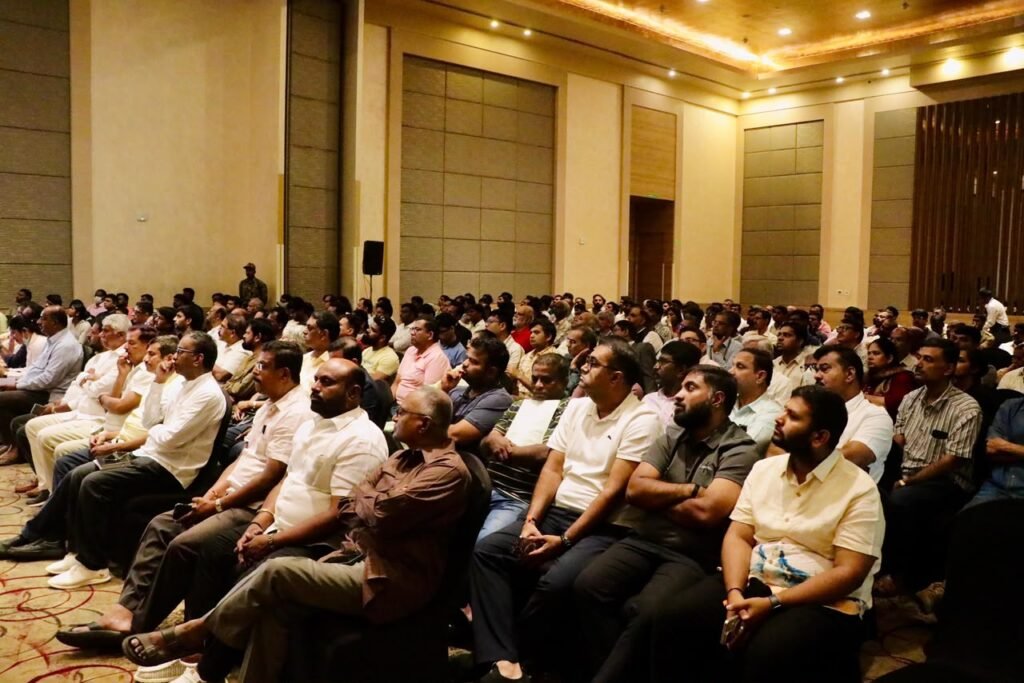
The announcement was made after a consultation meeting with representatives of the Outer Ring Road Companies Association (ORRCA), IT park owners, senior officials from various departments and local residents at Helios Business Park in Kadubeesanahalli.
The meeting reviewed issues relating to major junctions, service roads, footpaths, Metro works, stormwater drains, public transport integration, parking management and pedestrian safety across the ORR corridor. The minister issued directions to the concerned departments for coordinated implementation of infrastructure improvements.
Byre Gowda said the ORR is one of the country’s most important economic and IT corridors. However, decades of unplanned and unauthorised development have resulted in inadequate road width, insufficient drainage infrastructure and poor pedestrian facilities. He noted that while nearly 23 per cent of land in localities such as Jayanagar is available for road infrastructure, only about 8 per cent is available in the East Zone. Illegal constructions, roadside parking and unauthorised road crossings have further aggravated congestion.
He said the government has sanctioned ₹450 crore for the redevelopment programme and is prepared to provide additional funds if required. The objective is not merely resurfacing roads but addressing the underlying infrastructure deficiencies responsible for traffic bottlenecks.
To improve traffic movement, the government plans to scientifically redesign major junctions by preventing direct right turns at intersections and diverting vehicles to service roads for free-left movements and U-turns. Since each junction has different traffic characteristics, customised designs have been prepared. These modifications will first be implemented on a trial basis using RCC barricades for three months before permanent execution.
The minister said unused spaces around junctions, which are often occupied by illegal activities, will be reclaimed and developed with better lighting and public amenities. Existing surface RCC drains will be replaced with underground pipe drainage systems to create space for continuous granite footpaths with a minimum width of 10 feet. High-rise pedestrian crossings, foot overbridges and cycling tracks will also be developed wherever feasible to improve non-motorised transport and connectivity to bus bays.
On road construction, Byre Gowda said the government is examining the use of asphalt and white-topping for the main carriageway. White-topped roads are expected to have a lifespan of about 25 years, while service roads will be reconstructed with asphalt because of the presence of underground utility lines.
He directed officials to conduct surveys based on original land acquisition records to remove encroachments and restore the full road width. The government is also considering adopting an annuity payment model under which contractors will be responsible for maintaining roads, footpaths and streetlights for 10 to 12 years, with payments linked to annual quality assessments.
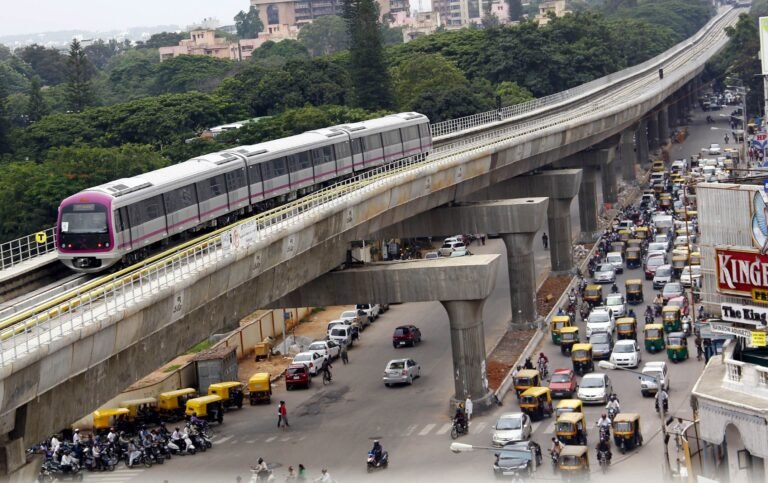
The minister said Bengaluru Metro operations on the ORR corridor are expected to reduce traffic volume by nearly 30 per cent, based on the experience of the Electronic City corridor. He directed Bengaluru Metro Rail Corporation Limited (BMRCL) officials to commence Metro trial runs from October this year and open the corridor for commercial operations next year. Metro and road works will be synchronised to minimise inconvenience to commuters.
He also announced plans to develop skywalks and last-mile connectivity facilities along the Metro corridor. Draft designs will be shared with the public and local stakeholders before finalisation.
The minister instructed officials to identify highly congested junctions and prepare scientific traffic management plans incorporating junction redesign, signal synchronisation, U-turn facilities and service road improvements. He also directed that pilot projects be implemented first and made permanent after assessing their effectiveness.
Priority has also been given to constructing safe, continuous and obstruction-free footpaths around Metro stations, IT parks and commercial areas, while improving pedestrian crossings at key locations.
Officials were instructed to develop vacant public spaces along the corridor into green areas, public utility spaces and rest zones to prevent encroachments and illegal activities.
The minister further emphasised coordination among BMRCL and civic agencies to synchronise road widening, utility shifting and traffic management works. He also directed departments to jointly plan stormwater drainage, water supply, sewerage, electricity and gas pipeline works to avoid repeated road excavation.
He asked officials to identify locations requiring additional public toilets, improve parking infrastructure, upgrade bus stops and enhance other civic amenities across the ORR corridor.
Byre Gowda also called upon IT companies, technology parks and ORRCA representatives to actively partner with the government by sharing suggestions and supporting infrastructure development initiatives along the corridor.
Greater Bengaluru Authority Chief Commissioner Maheshwar Rao, South City Municipal Commissioner K.N. Ramesh, East City Municipal Commissioner D.S. Ramesh, senior BMRCL officials and other senior government officers attended the meeting.
About the Author