“Segregate, Process, Recycle at Source”: BSWML Urges Citizen Responsibility for Effective Waste Management
Bengaluru: Emphasising that sustainable waste management begins at the household level, Bengaluru Solid Waste Management Limited (BSWML) has called on citizens to take direct responsibility for processing and recycling waste at the source.
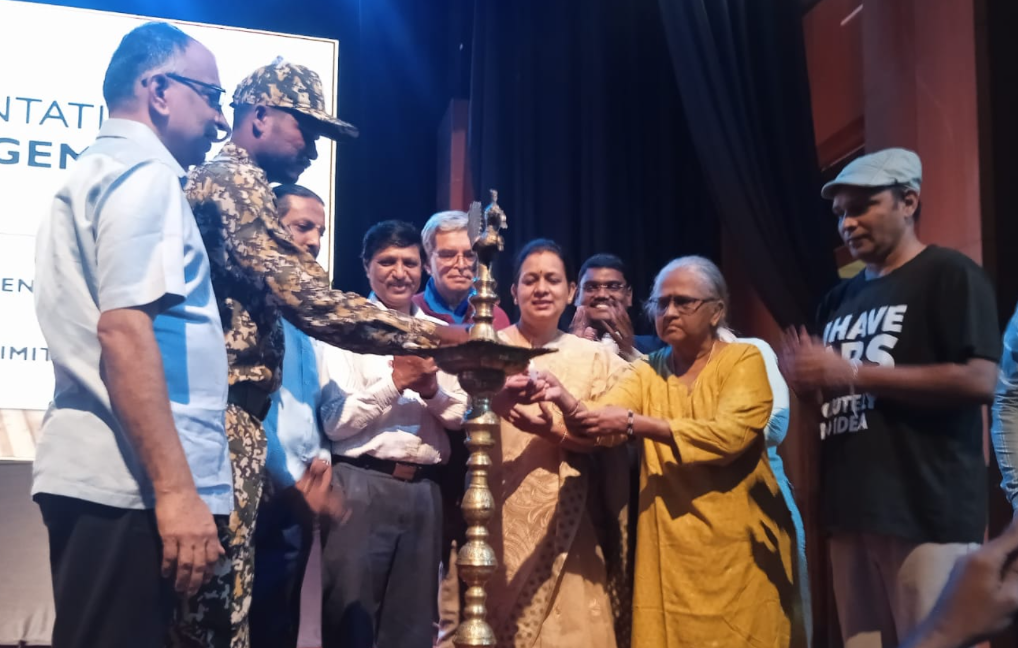
Chief Executive Officer Kareegowda, addressing a stakeholders’ workshop at Town Hall under the Greater Bengaluru Authority jurisdiction, said that effective implementation of the Solid Waste Management Rules–2026 depends not only on government systems but also on active citizen participation and coordination among all stakeholders.
The workshop brought together citizens, Resident Welfare Associations (RWAs), non-governmental organizations, hotel associations, and BSWML officials to discuss practical strategies for implementing the revised rules. Kareegowda urged residents to stop dumping waste on roadsides or vacant spaces and instead hand it over to designated door-to-door collection systems. He stressed the importance of avoiding mixed waste and ensuring segregation at the source.
“Every household, apartment complex, and commercial establishment must take responsibility to process and recycle the waste they generate,” he said, adding that decentralized waste treatment is key to building a cleaner and more sustainable city.
BSWML also announced plans to conduct meetings across all five city corporations to guide RWAs and large residential communities on managing high volumes of waste efficiently.
Chief Operating Officer Ramamani elaborated on the revised Solid Waste Management Rules–2026, noting that they build upon the 2016 framework with stronger, more scientific and practical measures. She highlighted that waste generators are now required to mandatorily segregate waste into four categories—wet waste (biodegradable), dry waste (recyclable), sanitary waste, and special care waste requiring specific handling.
Citizens were urged to strictly follow this four-way segregation system, avoid littering, and actively contribute to maintaining cleanliness and environmental sustainability.
To improve monitoring and transparency, a centralized online system is set to be introduced, enabling real-time tracking of waste management operations and infrastructure.
A new framework titled “Extended Bulk Waste Generator Responsibility (EBWGR)” has also been proposed to ensure stricter accountability among large waste generators such as apartment complexes, institutions, and hotels.
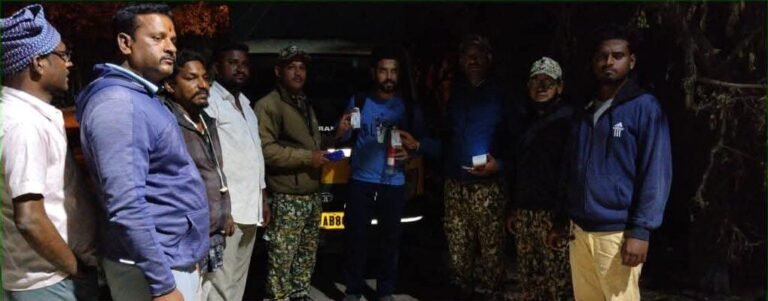
The workshop featured demonstrations and discussions by experts and representatives from organizations including SWMRT, Bengaluru Apartment Federation, Koramangala RWA, and Beautiful Bharat. They shared best practices and emphasized collaborative responsibility in waste management.
Officials, RWA members, waste management experts, marshals, and citizens attended the session, reinforcing the message that a clean and sustainable Bengaluru can only be achieved through collective responsibility and action at the source.
About the Author