Mysore Dasara – Tradition, History and Grandeur
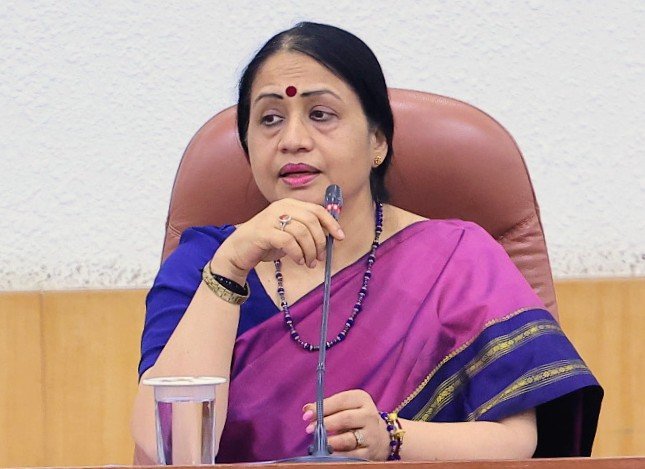
Chief Secretary to the Government
ಈ ಲೇಖನವನ್ನು ಕನ್ನಡದಲ್ಲಿ ಓದಿ — Read this feature in Kannada
Significance of Dasara
Indian festivals, with their mythological and historical backgrounds, are important means of passing on human values and cultural heritage to the next generation. Introducing these traditions to today’s younger generation is extremely important as it provides all Indians with a golden opportunity to take pride in the cultural richness of our country.
“Nada HabbaDasara” is one of India’s major traditional festivals. This ten-day celebration, comprising of Navaratri and Vijayadashami, has mythological, religious, historical and cultural significance. Moreover, recognizing the uniqueness of the “Mysore Dasara” celebrations at the international level, UNESCO recognized the art forms associated with the Dasara celebrations as an “Intangible Cultural Heritage of Humanity” in 2008.
The Grandeur of Dasara in Ancient Times
Navaratri, celebrated during the autumn season, is dedicated to the worship of the various forms of the Goddess, while Vijayadashami is celebrated as a symbol of victory. Its message is the triumph of righteousness and good deeds over evil forces. Although Dasara is celebrated in different ways in various parts of the country, Mysore Dasara is world-famous for its unique traditions, royal grandeur and cultural celebrations.
Navaratri and Worship of the Goddess
The stories of Goddess Chamundeshwari’s victory over demonic forces such as Mahishasura in the Puranas are associated with the celebration of Navaratri. The victory of righteousness and truth is celebrated through the destruction of the demons. The worship of Goddess Chamundeshwari holds a special place in Mysore Dasara.
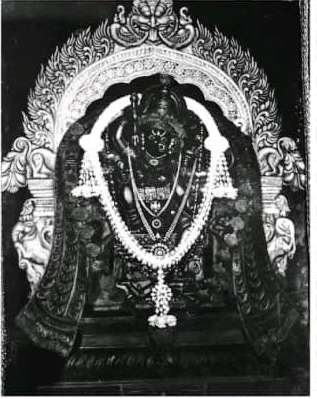
The original Chamundi on the hill, the family and state deity of the Wodeyars of Mysore.
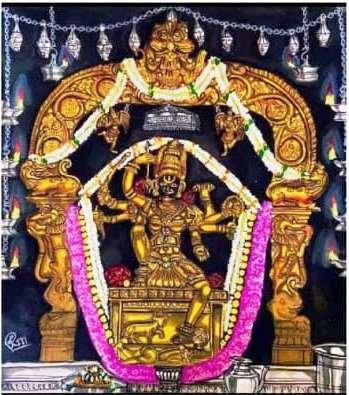
An artistic picture of Chamundi on the hill, resplendent in a golden covering every Friday.
In the Indian tradition of viewing nature in the form of the Mother Goddess, Shakti is worshipped in nine forms known as Shailaputri, Brahmacharini, Chandraghanta, Kushmanda, Skandamata, Katyayani, Kalaratri, Mahagauri and Siddhidatri.
Ghatasthapana, Goddess worship, Saraswati Puja, Durgashtami, Ayudha Puja and other religious rituals are performed during this period. On the tenth day, Vijayadashami, Goddess Vijayalakshmi or Aparajita is worshipped. The nine days of Navaratri symbolize nine different colours of the Goddess. Day 1 – Orange, Day 2 – White, Day 3 – Red, Day 4 – Dark Blue, Day 5 – Yellow, Day 6 – Green, Day 7 – Grey, Day 8 – Purple, Day 9 – Peacock Green. The Goddess is adorned in these colours, and girls also celebrate by wearing clothes of the same colour each day of Navaratri.
Vijayadashami also has a RamayanaConnect.It is traditionally celebrated as the day on which Lord Rama defeated Ravana. Thus, Dasara is a significant festival representing both the victory of the Goddess and the victory of Lord Rama.
Historical Background
The history of Mysore Dasara is very ancient. Since sculptures depicting the worship of Durga and Mahishamardini are found from the periods of various Indian dynasties, the celebration of Dasara is considered to have been practiced since ancient times. After the fall of Srirangapatna, KrishnarajaWodeyar III, who made Mysore his capital, revived the Dasara festival in Mysore in 1799.
During the period of the Vijayanagara Empire, the Dasara festival was celebrated with great pompand show. Present-day Mysore Dasara is a continuation of this Vijayanagara tradition.
The Grandeur of Dasara During the Wodeyar Era
Sri Raja Wodeyar, the ruler of Mysore, began the ten-day Dasara festival at Srirangapatna in 1610 CE. Later, under the rule of the Wodeyars of Mysore, the Dasara festival grew into a major symbol of royal grandeur. In 1648, the poet Govinda Vaidya recorded details of the Dasara celebrations during the reign of RanadheeraKanteeravaNarasarajaWodeyar in his work ‘KanteeravaNarasarajaVijaya’. During that period, Goddess worship, Ayudha Puja, the royal Darbar, wrestling, dance, music and various cultural programmes were important parts of Dasara.
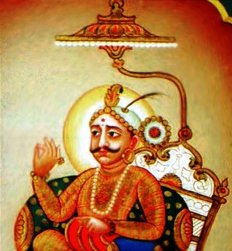
KanteeravaNarasarajaWodeyar
During the Wodeyar period, Dasara was an important festival of the royal family. During Navaratri, the kings worshipped the family deity and other deities and offered prayers to the royal elephant and horses. The royal Darbar, Ayudha Puja and Vijayadashami processions were major events.
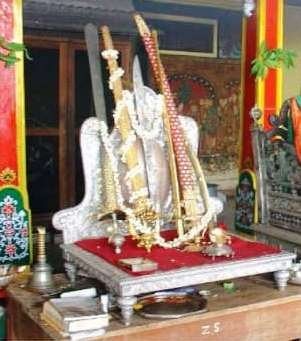
Weapons arranged for ChaturangabalaAyudha Puja (worship of 32 weapons)
On Mahanavami, the weapons of the royal family, including the royal sword, are specially worshipped. In earlier times, the royal Darbar, wrestling, music, dance, fireworks and various political and cultural presentations were part of Dasara. Although many of these have changed with time, the basic traditions of Dasara continue even today.
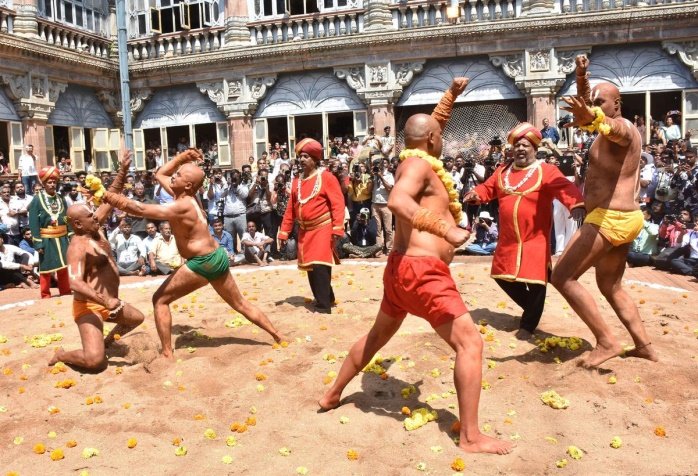
A fascinating picture of the wrestling held inside the palace
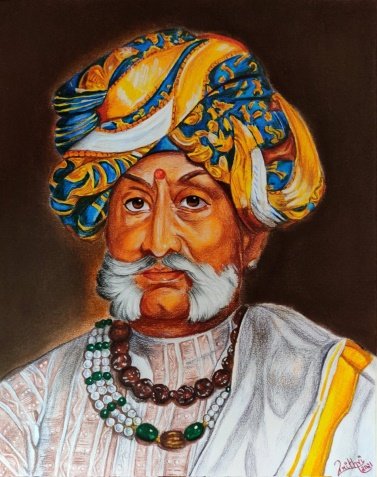
KrishnarajaWodeyar III
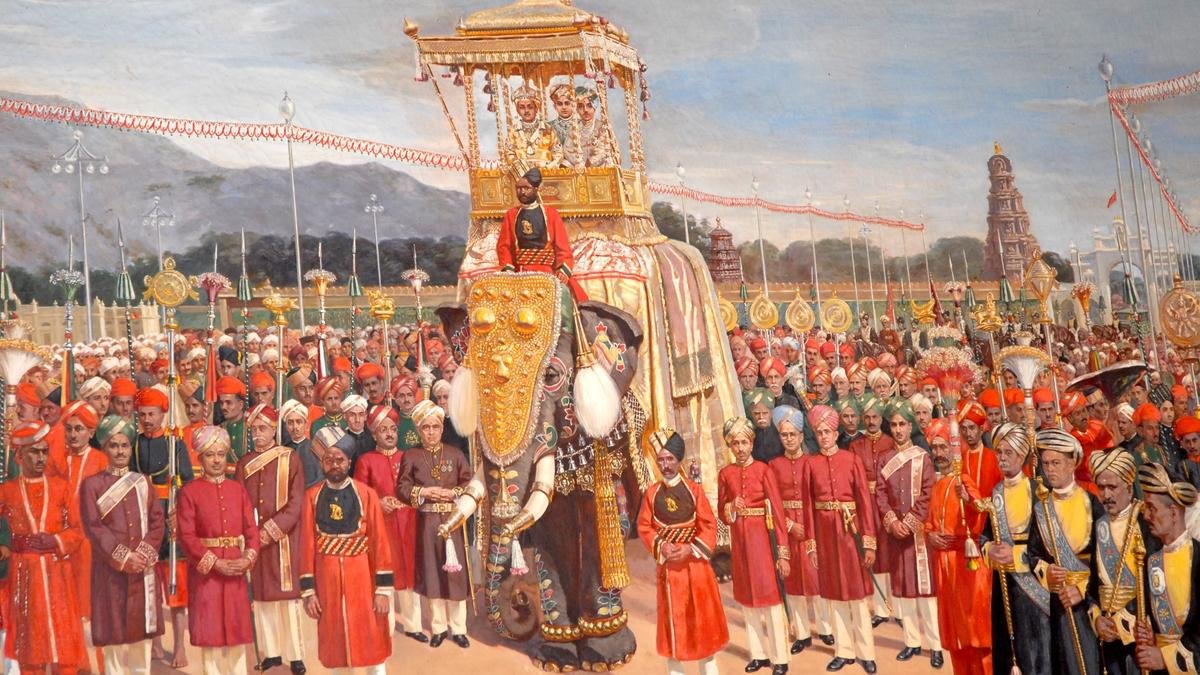
During the reign of KrishnarajaWodeyarIII, Dasara celebrations acquired special grandeur. On Mahanavami, various weapons of the royal family, including swords, were worshipped. On Vijayadashami, the king participated in the procession in royal attire, holding a sword. At that time, unlike today, the kings did not travel in the golden ambari. The Maharaja travelled in a silver chariot drawn by elephants. Later, he would ride a horse, inspect the army and perform worship of the Banni tree.
Special Significance of Chamundi Hill
Chamundi Hill is an important centre of the religious facet of Mysore Dasara. During Navaratri, special decorations and pujas are performed for Goddess Chamundeshwari every day.
There is a tradition of adorning the Goddess in various forms of Shakti. During the ten days of Navaratri, the different adornments of the Goddess attract devotees. On Vijayadashami, the Goddess is worshipped in the form of Aparajita.
Another special Navaratri ritual is Kumari Puja. In some places, girls between 2 and 10 years of age are worshipped as representative of various forms of the Goddesses.
The Throne – A Major Attraction of the Palace
Another major attraction in Mysore State is the throne. It is a jewel-encrusted golden throne, assembled in the private Darbar Hall at an auspicious time before Dasara. It can be viewed by the public only during the Dasara season, for about 30 to 40 days. The throne has several distinctive features. It has silver steps, with mirror maidens on both sides designed, as if they are standing in a welcoming posture for the Maharaja. At the top is a golden chamara with a peacock attached to it. It is decorated with pearls all around. At the upper back of the throne are images of Lakshmi, Chamundeshwari and Saraswati. On Vijayadashami, homa and havana are performed for the throne, by members of the royal family and the lion is attached to it.
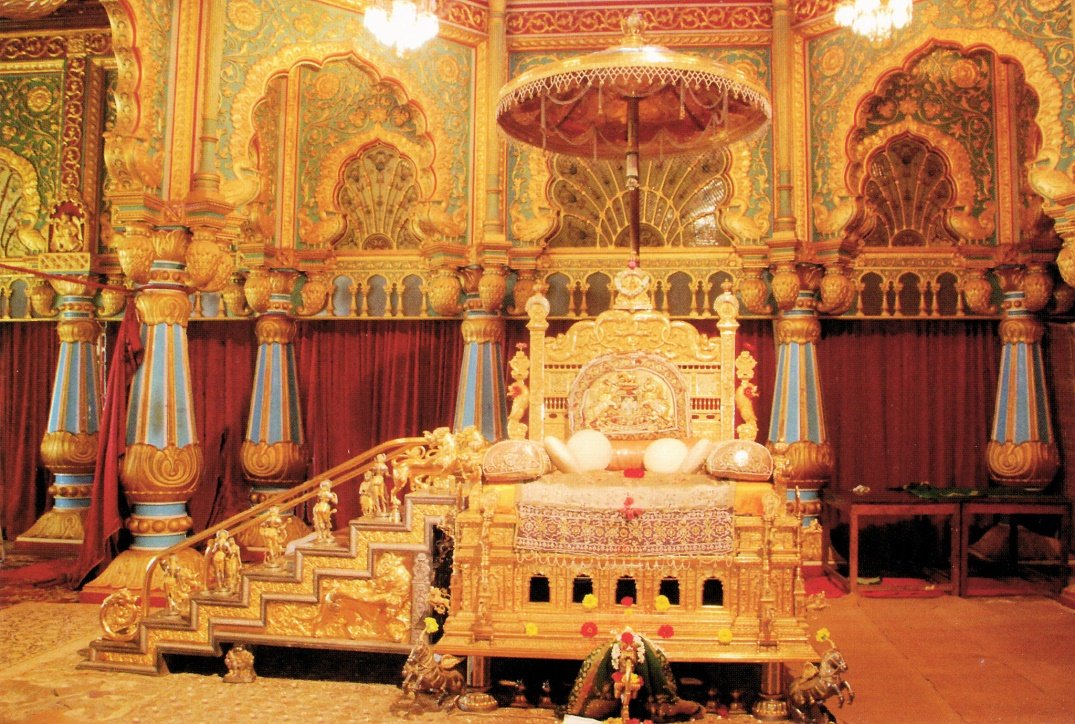
The Magnificent Jewel-Studded Golden Throne of the Mysore Kings
The throne was decorated with gold ornaments, precious gems and silver figures by “SwarnakalaNipuna” Singannacharya. Over time, gold sheets, the Navaratnas and artistic decorations were added to give it a magnificent appearance.
Grand lightings in Mysore:
As part of the Nada HabbaDasara celebrations, the Chamundeshwari Electricity Supply Corporation (CESC) decorates approximately 130 to 136 kilometres of roads in Mysore city with diverse and attractive electric lights.
This illumination, which makes the entire city of Mysore shine, covers about 118 major circles and junctions in the city. In addition, more than 75 artworks depicting Karnataka’s culture and achievers are displayed through LED lights. This magnificent festival of lights continues for a total of 21 days for visitors coming from India and abroad.
Palace Dasara and Nada HabbaDasara
After the end of the rule of the Mysore royal family in 1969, a significant change took place in the celebration of Dasara. At present, Dasara in Mysore takes place in two major forms.
On one side, religious and traditional rituals are performed inside the palace as part of the royal family’s heritage. The private Darbar, Saraswati Puja, Ayudha Puja, Vijayadashami, Shami Puja and other traditional rituals are part of this.
On the other side, the Government of Karnataka organizes ‘Nada HabbaDasara’ for the public. JambooSavari, cultural programmes and various public events are its major attractions.
Thus, present-day Mysore Dasara has evolved as a combination of the royal family’s tradition and the modern public festival.
Chamundeshwari Festival and JambooSavari
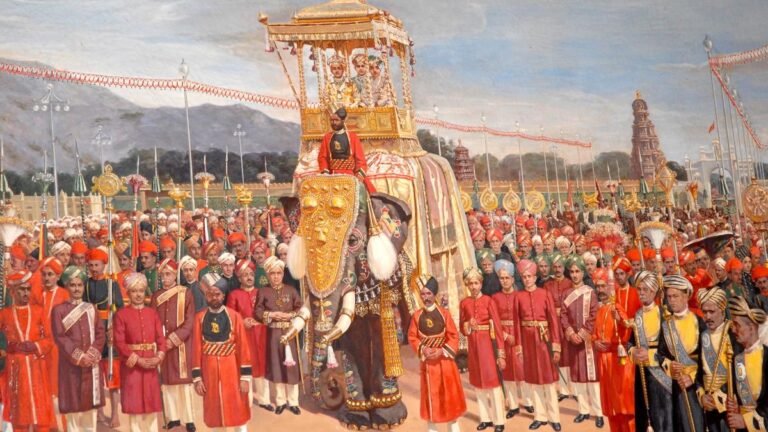
The relationship between Mysore Dasara and elephants is very old. This tradition, which began with the royal processions of the Wodeyar period, continues today in the form of the JambooSavari conducted under the leadership of the government.
Before the JambooSavari begins, worship is first offered to the Nandi Dhwaja at the Balarama Gate of the palace, at an auspicious time. Flowers are offered to the idol of Mother Chamundeshwari, seated majestically in the golden ambari. This is followed by a 24-gun salute. From there, the magnificent Vijayadashami procession begins in the palace premises. The JambooSavari proceeds from the palace premises to Bannimantap, carrying Goddess Chamundeshwari, seated in the golden ambari, and accompanied by 14 decorated elephants, the majestic gait of the royal elephants moving in the procession amid a sea of people is unparalleled. Nowhere else in India do so many elephants participate during Dasara.
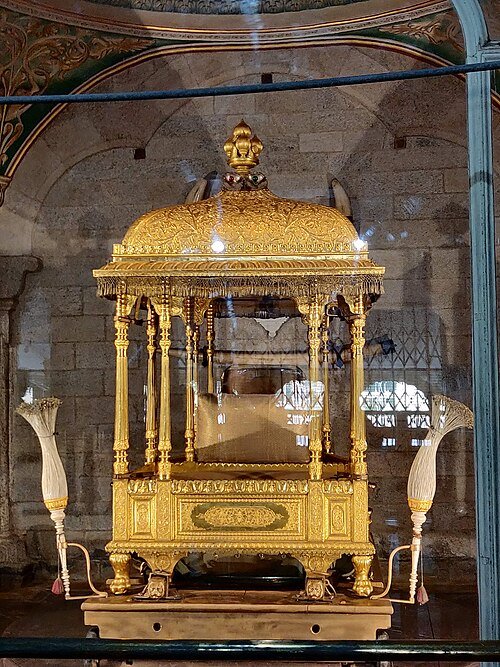
750 kg ambari, prepared for decoration with 80 kg of gold
Along with Balarama carrying the ambari, the rhythmic performance of the police band adds to the attraction. In addition, Kamsale dance performances by cultural troupes and tableaus depicting the culture of various districts of the state attract everyone’s attention. Lakhs of people gather to watch it.
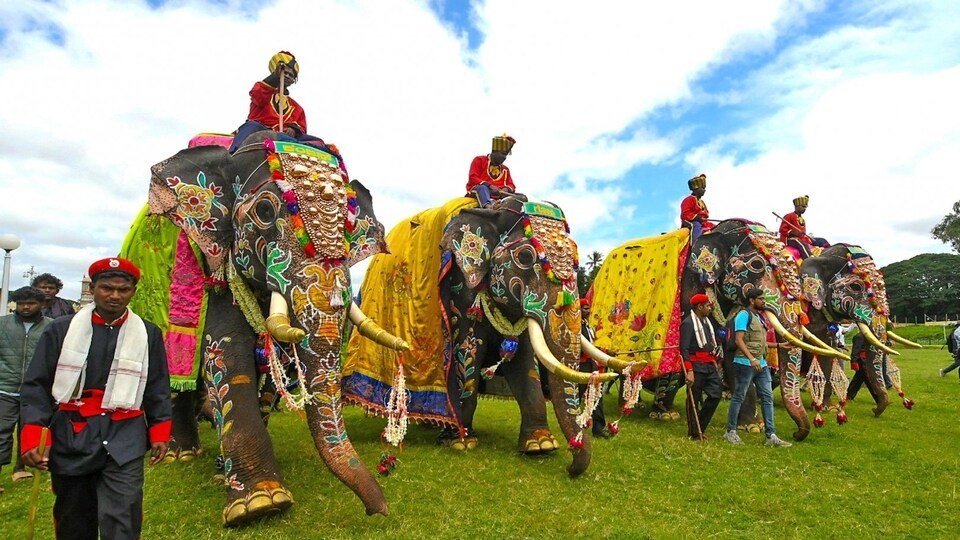
Decorated elephants in the JambooSavari
Special Programmes of Dasara:
YuvaSambhrama, YuvaDasara:
To attract youngsters to Dasara, YuvaSambhrama and YuvaDasara cultural programmes are held at Maharaja’s College Ground. YuvaSambhrama is held at the open-air theatre at the University of Mysore. Local artists are given priority. Performances by dance artists in various forms, including folk dance, attract attention. School and college students from different districts Participate in these cultural programmes. YuvaDasara also brings together film stars and renowned singers. Large numbers of people gather at YuvaDasara to see their favourite actors, actresses and singers.
Kambala:
For the first time, ‘Kambala’, a symbol of the agriculture, culture and folk traditions of the coastal region, is being organized at Mysore Dasara. Kambala is a competition in which well-bred buffaloes are made to run through a well-prepared muddy field. This sport is deeply associated with the folk traditions of Dakshina Kannada and Udupi districts.
Fairs:
Agriculture and food fairs are held during Dasara. Local and special delicacies from different parts of the state are available at stalls. These fairs are enjoyable for food lovers. Competitions are also organized here, with special prizes for the winners. The agriculture fair is useful for farmers. Different varieties of crops and fruits are displayed and made available for sale. Seminars are also organized to provide farmers with advice related to agriculture.
Fruit, Flower and Exhibition:
Fruit, flower and products exhibitions are major attractions of Dasara. Various models are created and displayed using different kinds of flowers. Attractive floral models draw people’s attention and become selfie spots for many. Major government schemes and achievements are explained through the material exhibition. Models are also displayed to create awareness about the history of the state and country and about tourist destinations.
Doll Exhibition:
The Mysore Dasara doll exhibition, locally known as ‘GombeHabba’ or ‘Bombe Mane’, is a centuries-old tradition. During Navaratri, beautifully and systematically arranged dolls and figurines are displayed in homes and public places. These displays often depict mythological epics such as the Ramayana, scenes from the Dasara procession (JambooSavari), the Navadurgas and Ashtalakshmis, along with contemporary, social and cultural themes.
Children’s Dasara:
Children’s Dasara is a special attraction of Dasara. Various cultural programmes specially designed for children are organized as part of Children’s Dasara. Children who have demonstrated special achievements inaugurate the Children’s Dasara.
Seminars and KaviGosthtiProgrammes:
Mysore is home to renowned scholars, writers and poets. Mysore has made its own contribution to the fields of music and literature. Therefore, poetry gatherings, seminars and music concerts are organized during Dasara. Literature enthusiasts are attracted through DasaraandYuvaKaviGoshtiprogrammes. A book fair is also held for readers. Music programmes are organized at the palace for music lovers. Renowned scholars and artists conduct music programmes. Film festivals and theatre performances are also held for art enthusiasts.
Torchlight Parade:
The Torchlight Parade, held in the evening at Bannimantap Parade Ground after the JambooSavari procession on Vijayadashami, is the most attractive and thrilling concluding programme. It captivates the audience with a police parade, daredevil displays and the spectacle of colourful flickering torches. It includes impressive cavalry stunts, thrilling motorcycle stunt performances (daredevil stunts), police band music and a mass parade with torches.
A colourful and beautiful fireworks display in the night sky, along with a laser/drone show, also attracts attention. This programme gives the final touch to Dasara. This tradition, carried forward since the time of the kings, marks the conclusion of the Dasara festival.
While the traditional rituals inside the palace recall the history of the Mysore Wodeyars, the public Dasara programmes connect that heritage with the general public.
Mysore Dasara is not merely a religious festival. It is a celebration that brings together Karnataka’s cultural heritage, art, music, dance, folk traditions and historical memories.
Conclusion:
Mysore Dasara is a unique confluence of many centuries of history, religious beliefs, royal tradition, art, culture and public participation. From the tradition of Vijayanagara to the royal grandeur of the Mysore Wodeyars and from there to its present form as Nada Habba, Dasara has evolved through many stages.
Come, let us all participate in this year’s Nada HabbaDasara and enjoy its diverse celebrations!
(Dr.Shalini Rajneesh)
Chief Secretary to the Government
Article provided by the Karnataka Department of Information and Public Relations.
About the Author