Karnataka Takes Folk Arts to Bengaluru Campuses, Seeks Stronger Youth Connect With Cultural Heritage
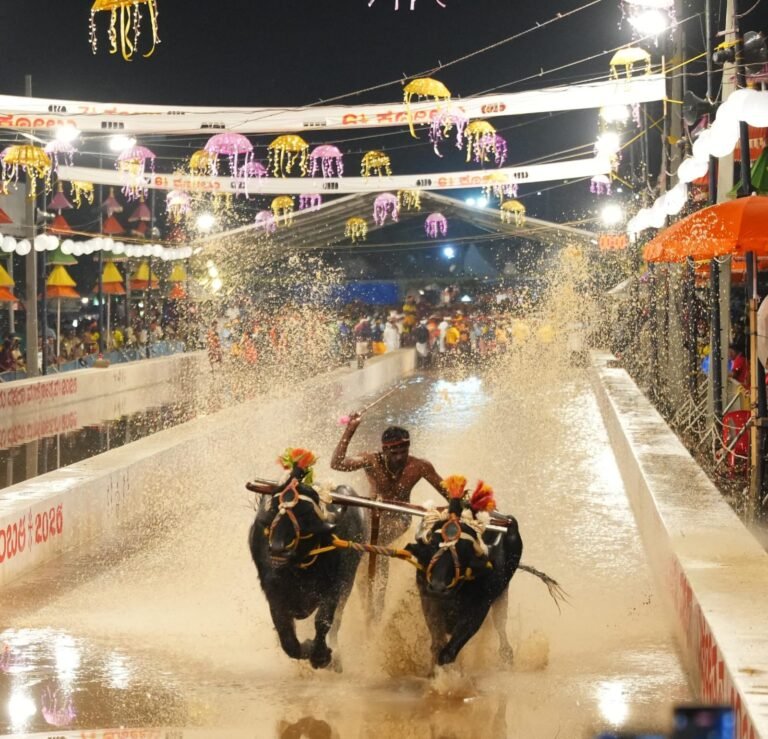
Bengaluru: Karnataka’s traditional folk arts are being taken closer to young people through educational institutions, with cultural authorities stressing that students must become active participants in preserving the state’s living artistic heritage rather than viewing folk traditions merely as entertainment.
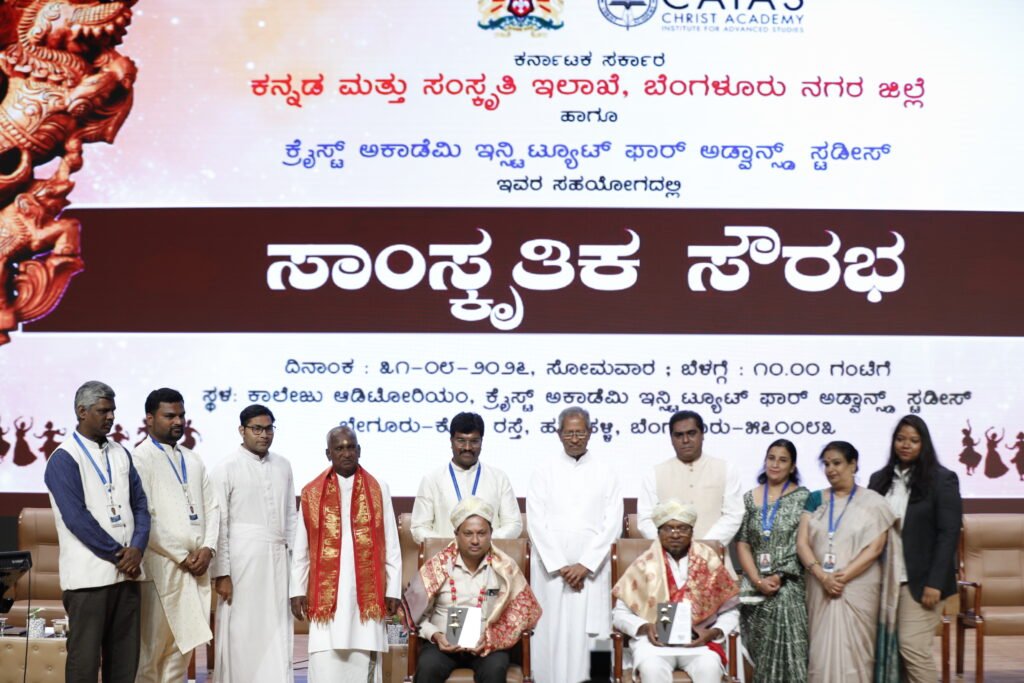
The message was at the centre of ‘Samskruthika Saurabha’, a cultural programme organised at CHRIST Academy Institute for Advanced Studies by the Department of Kannada and Culture, Government of Karnataka, Bengaluru Urban District, and the institution’s Department of Arts and Humanities in collaboration with the Internal Quality Assurance Cell (IQAC).
Karnataka Janapada Academy President Dr. Gollahalli Shivaprasad, who inaugurated the programme, said folk arts represent much more than performances on a stage.
“Folk arts are the living records of the life, customs, beliefs, traditions, and social life of the people of the region,” Shivaprasad said.
He stressed that educational institutions could play an important role in building cultural awareness among younger generations and encouraging students to establish a stronger connection with Karnataka’s traditional arts.
“Behind every folk art form of Karnataka lies the life, experiences, and heritage of a particular community. Young people, in particular, should develop a connection with these arts,” he said.
Cultural Exposure Beyond the Classroom
M. Ashok N. Chalvadi, Joint Director of the Department of Kannada and Culture, Bengaluru Urban District, said students could better understand Karnataka’s cultural diversity when they were given opportunities to experience different art forms firsthand.
He said cultural awareness, along with academic education, was important for the holistic development of students.
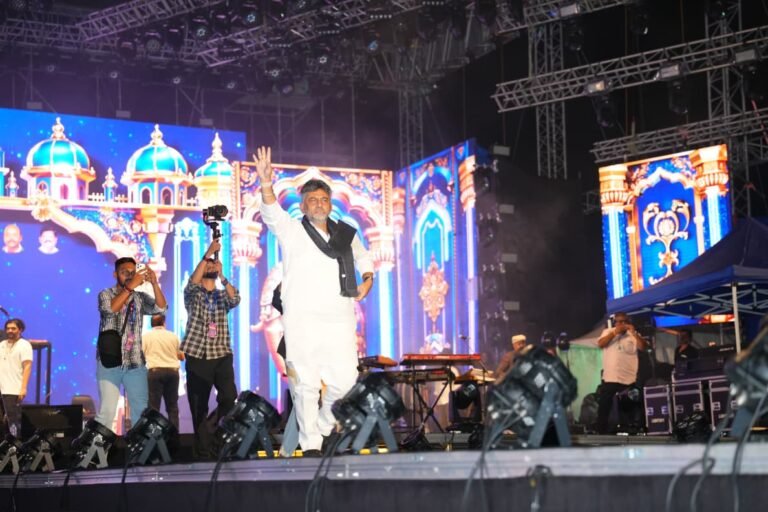
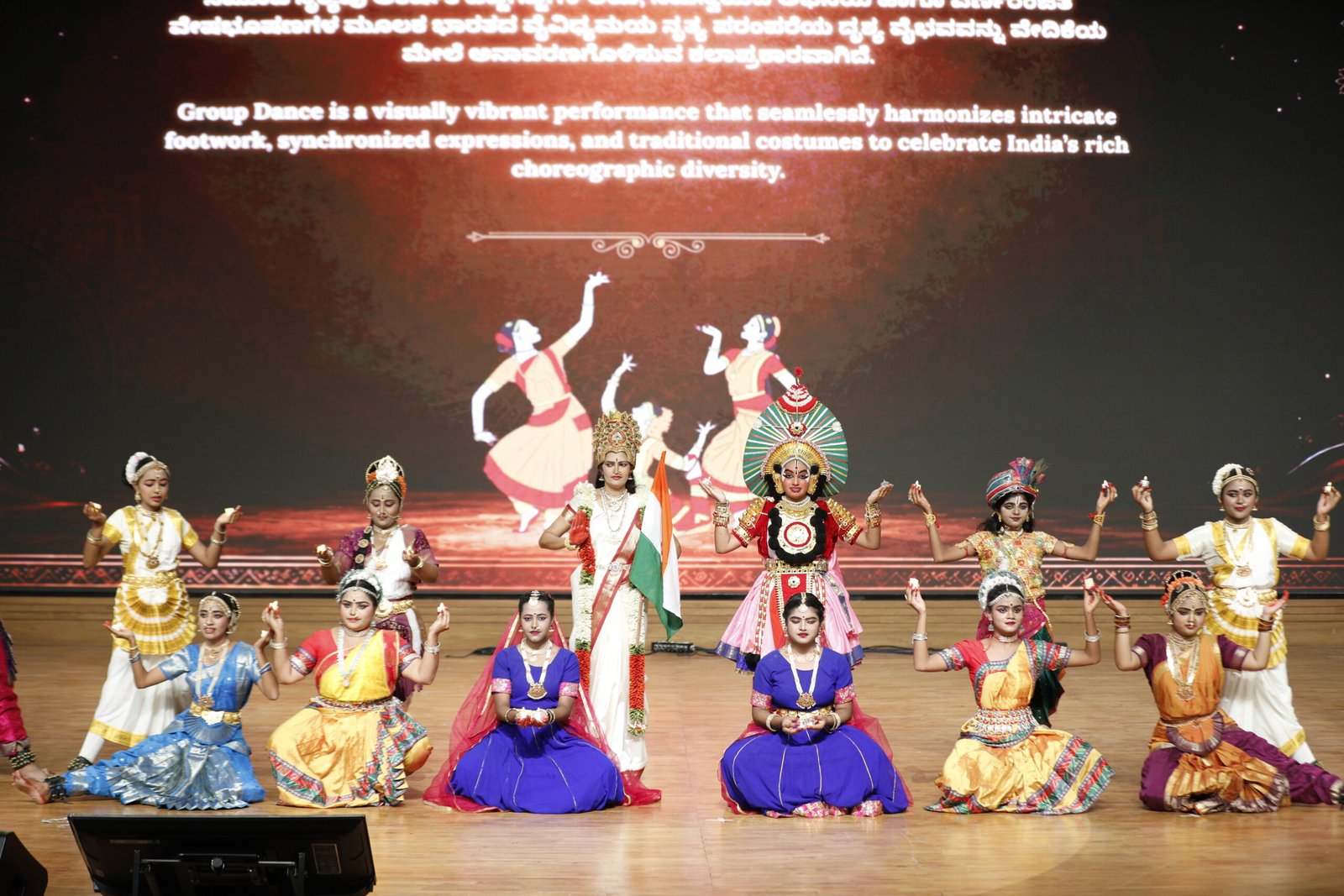
The programme brought several traditional and performing art forms onto one platform, exposing students to Karnataka’s folk music, dance, theatre, storytelling and percussion traditions.
Performances included Hindustani classical music by Sharada Vadavati, light music by Savigana Manjunath and folk songs by Anupama.
Ramesh and his team presented a group dance, while Hanumadas performed storytelling.
Bengaluru’s Safalya Ranga Troupe presented comedy theatre, while Manjunath’s ensemble performed Dollu Kunitha. Nagaraj K. led a Tamate performance and Veerabhadregowda’s troupe presented Veeragase.
New Museum Brings Heritage Into Student Learning
The programme also saw the inauguration of the Vanijya Vaibhava Museum, an initiative designed to introduce students directly to the region’s heritage, lifestyle, material culture and cultural traditions.
The museum seeks to bridge conventional classroom education and experiential learning by providing students with a space to engage with cultural heritage more directly.
The initiative assumes significance amid efforts to ensure that traditional art forms and knowledge are passed on to younger generations, particularly students growing up in an increasingly urban and digitally driven environment.
Rev. Fr. Thomas Chakramakkil, CMI, Manager of Christ Academy, presided over the programme. Rev. Fr. Dr. Anthony Davis, Principal, and other institutional representatives were present.
The programme was coordinated by Dr. H. M. Mallikarjuna, Assistant Professor of Kannada, and Naveen Kumar C.
Through the cultural performances and the museum initiative, the programme sought to position educational institutions as a bridge between Karnataka’s traditional artistic communities and a new generation of students.
About the Author