Karnataka Mandates FIRs in Non-Consensual Sharing of Private Photos, Videos; Priyank Kharge Warns of Action Against Police Delays
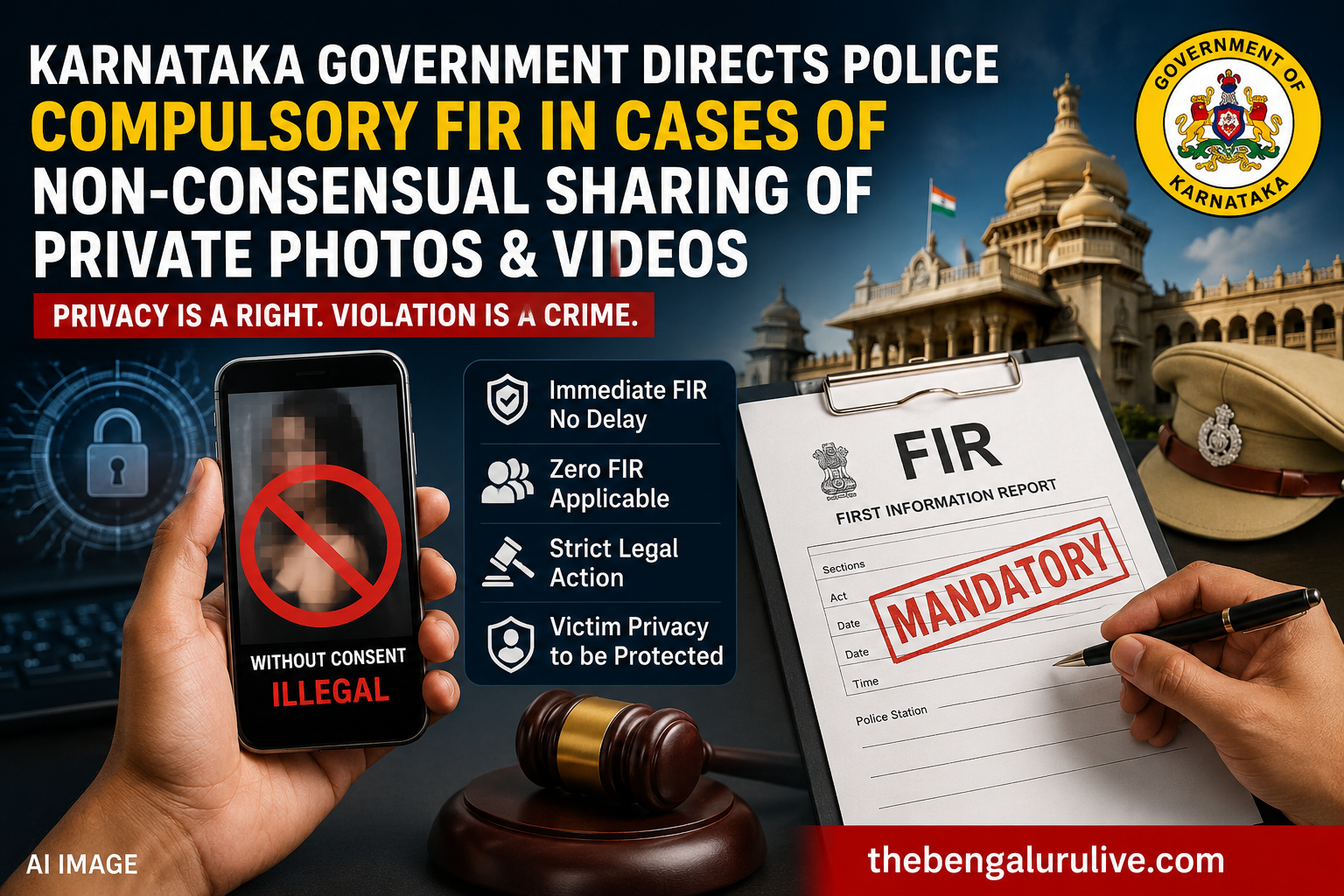
Bengaluru, June 26: The Karnataka government has directed police across the state to compulsorily register FIRs in cases involving the publication or circulation of private photographs and videos without a person’s consent, with Home Minister Priyank Kharge warning that officers delaying or refusing complaints will face strict disciplinary action.
Announcing the move, Kharge said the government has taken a serious view of cyber crimes involving non-consensual sharing of intimate images and videos, including cases of blackmail, sextortion and revenge pornography.
Following the Minister’s directions, the Director General and Inspector General of Police (DG&IGP) has issued Standing Order 1061 to ensure uniform implementation of the new guidelines across all police stations in Karnataka.
Consent to Record Is Not Consent to Publish
The new guidelines make it clear that a person’s consent to being photographed or recorded does not amount to consent for the content to be shared or circulated.
Even if the victim had initially consented to the recording, publication or dissemination without explicit consent would constitute a cognisable offence under the Bharatiya Nyaya Sanhita (BNS), 2023 and the Information Technology Act, 2000. The guidelines also clarify that these provisions are gender-neutral.
FIR Registration Made Mandatory
The police have been instructed to register FIRs immediately upon receiving complaints relating to revenge pornography, sextortion, blackmail videos or other forms of non-consensual circulation of intimate content.
The government has directed that complaints cannot be refused or delayed merely because the complainant had earlier consented to the recording of the images or videos.
The guidelines also mandate registration of Zero FIRs in cases where the offence occurred outside the jurisdiction of the police station receiving the complaint. Such cases must subsequently be transferred to the appropriate police station in accordance with the Bharatiya Nagarik Suraksha Sanhita, 2023.
Strict Penal Provisions
Police have been instructed to invoke appropriate legal provisions based on the facts of each case, even if the complainant does not specifically cite them.
The applicable provisions include:
- Section 77 of the Bharatiya Nyaya Sanhita, 2023 (Voyeurism): Punishable with imprisonment ranging from one to three years for a first offence and three to seven years for subsequent offences, along with a fine.
- Section 66E of the Information Technology Act, 2000: Covers violation of privacy through capturing or transmitting images of private areas without consent, punishable with imprisonment of up to three years or a fine of up to ₹2 lakh, or both.
- Sections 67 and 67A of the Information Technology Act: Relate to the publication or transmission of obscene or sexually explicit electronic content, carrying imprisonment ranging from three to seven years and fines between ₹5 lakh and ₹10 lakh, depending on the offence.
Content Removal and Victim Protection
The guidelines direct police to promptly issue notices under the Information Technology (Intermediary Guidelines and Digital Media Ethics Code) Rules, 2021 to social media platforms and intermediaries for immediate removal or blocking of unlawful content.
Police have also been instructed to preserve digital evidence in accordance with legal procedures.
The identity of victims must be kept strictly confidential, and complainants are to be treated with sensitivity. Wherever possible, complaints from women should be recorded by women police officers. The guidelines also require coordination with the CID Cyber Division for technical investigations.
‘Right to Privacy Is a Fundamental Right’
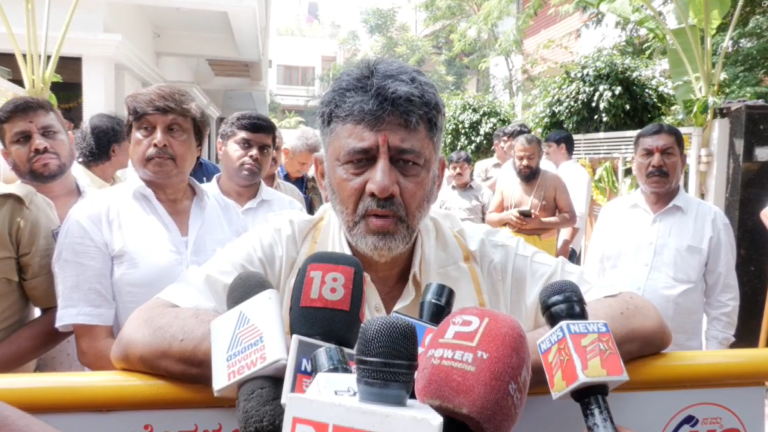
Home Minister Priyank Kharge said the Right to Privacy, recognised as a fundamental right under Article 21 of the Constitution by the Justice K.S. Puttaswamy judgment, must be protected.
“Refusing to register an FIR or delaying it by citing the victim’s prior consent to recording will invite serious disciplinary action against the concerned officers,” the Minister warned.
Kharge said all Police Commissioners, Range Inspectors General of Police (IGPs) and Superintendents of Police (SPs) have been instructed to ensure strict implementation of the new directions at every police station across Karnataka.
About the Author