Tulu to Become Additional Official Language in Udupi, Dakshina Kannada; Mangaluru Cabinet Clears ₹32,611-Crore Development Push
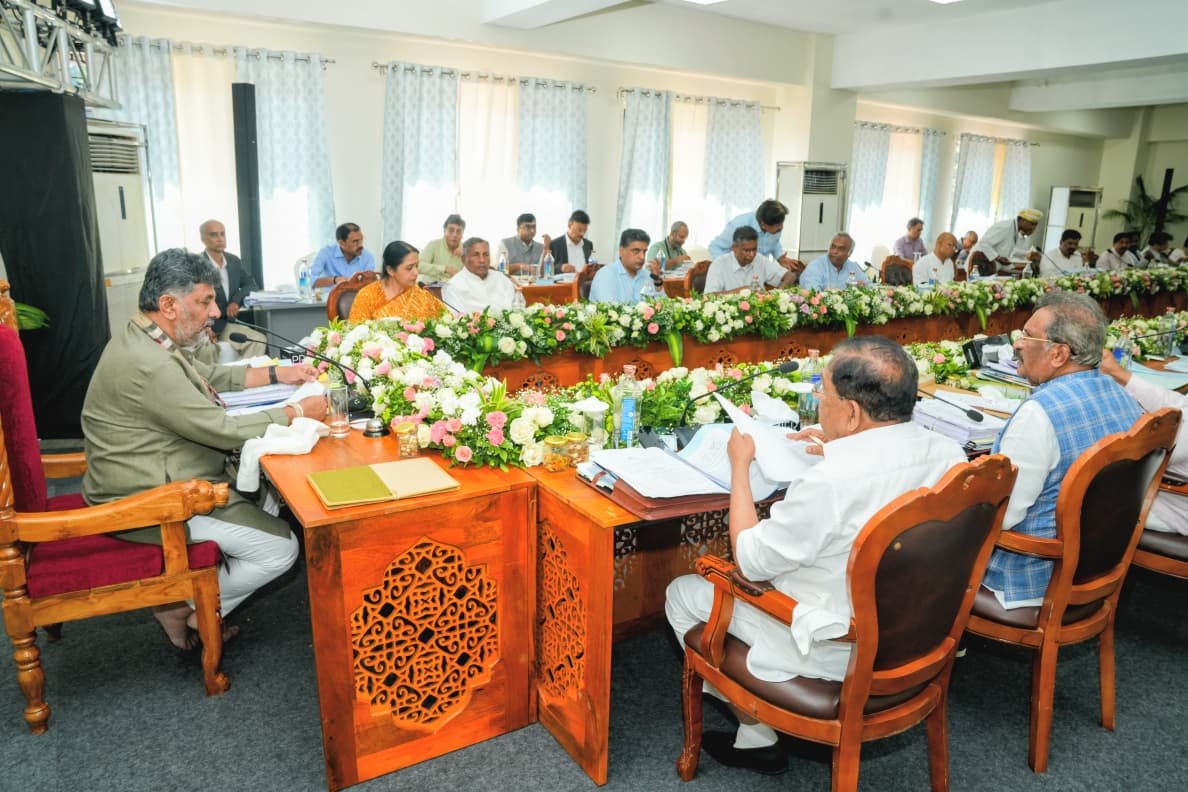
Bengaluru: The Karnataka Cabinet, chaired by Chief Minister D.K. Shivakumar on October 29, approved 12 proposals, including a revised ₹1,494.70-crore waste-management outlay for two city-corporation areas under the Greater Bengaluru Authority (GBA) over five years and ₹61.50 crore for two Bengaluru water reservoirs.
The reservoir proposal includes a 50-million-litre facility at Kaval Bairasandra at a cost of ₹22.50 crore, expected to benefit about 72,000 people, and a 22-million-litre facility in Banashankari for ₹39 crore.
Civic infrastructure and public services
The GBA waste-management programme covers solid, liquid, hazardous, electronic, construction-and-demolition and biomedical waste. The Cabinet also approved ₹228.95 crore for infrastructure at the Krantiveera Sangolli Rayanna Sainik School in Sangolli, which opened in 2022 and has 540 students in Classes 6 to 10.
Other civic proposals include a ₹51.37-crore, 10-MLD sewage-treatment plant at Charakanahalli, in addition to an existing 40-MLD facility, and ₹16.60 crore for a GIS-based master plan for Bengaluru and surrounding urban areas. The Cabinet cleared ₹21.11 crore for laboratory equipment and consumables for government hospitals, to be procured through the Karnataka State Medical Supplies Corporation.
It also approved a comprehensive sports stadium on 14.6 acres in Hubballi under a public-private partnership for 20 years. Planned facilities include an athletics track, football ground, indoor sports infrastructure, swimming pool, gymnasium and accommodation for sportspersons.
Welfare and governance decisions
The Cabinet approved ₹16.04 crore to distribute sewing machines to 9,243 women from Backward Classes through department-linked corporations. The source release says 7,724 eligible beneficiaries received machines in the previous financial year.
It cleared a Karnataka Adivasi Development Corporation with an allocation of ₹33.36 crore, focusing on tribal communities including the Irula, Soliga, Jenu Kuruba, Kadu Kuruba, Kudiyas and Siddis, particularly vulnerable groups in forest-dependent regions.
The Cabinet extended the Special Investigation Team’s tenure to investigate illegal mining for one year from July 1, 2026. It also approved revised Karnataka Lokayukta recruitment and service rules, replacing rules described in the release as about 40 years old.
Project K-Monitor was approved at a cost of ₹14 crore to track government schemes and works across Assembly constituencies. The two-phase exercise is to cover one lakh projects or works in Phase I and an additional 60,000 in Phase II, with surveys over eight months.
About the Author