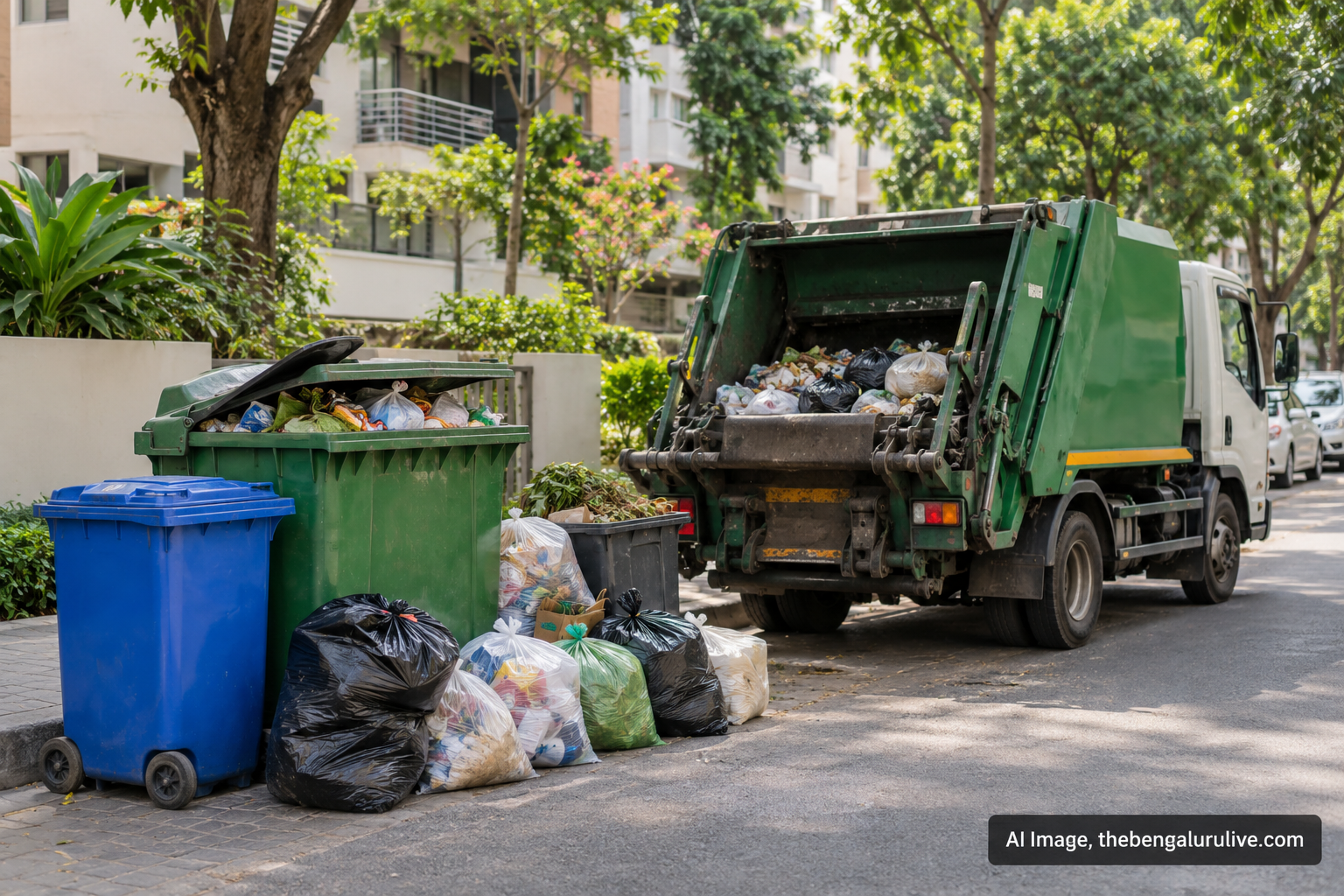
Representational image of waste collection in Bengaluru. AI Image, thebengalurulive.com
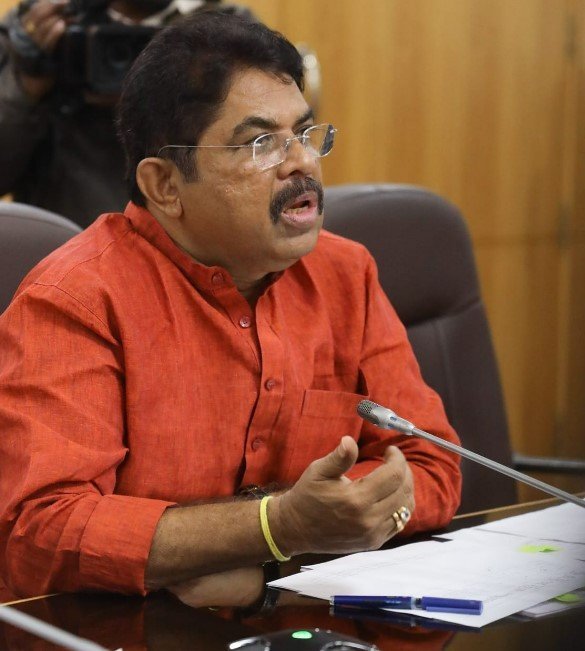
Bengaluru: Karnataka Legislative Assembly Leader of the Opposition R. Ashoka has questioned what he described as approval of an additional premium exceeding ₹350 crore in Bengaluru’s garbage tenders, alleging that the state government ignored Finance Department objections.
Ashoka said the department had raised serious concerns and recommended a review of the tenders, but approval was nevertheless given for an amount 14% higher. He accused the Congress government of imposing an additional burden on taxpayers while citing financial constraints.
ಒಂದೆಡೆ ಖಜಾನೆ ಖಾಲಿ, ಮತ್ತೊಂದೆಡೆ ಜನರ ತೆರಿಗೆ ಹಣದ ದುಂದುವೆಚ್ಚ!
— R. Ashoka (@RAshokaBJP) October 16, 2026
ಬೆಂಗಳೂರಿನ ಕಸ ವಿಲೇವಾರಿ ಟೆಂಡರ್ಗಳಲ್ಲಿ ₹350 ಕೋಟಿಗೂ ಅಧಿಕ ಹೆಚ್ಚುವರಿ ಪ್ರೀಮಿಯಂಗೆ ಅನುಮೋದನೆ ನೀಡಿರುವುದು ರಾಜ್ಯ @INCKarnataka ಸರ್ಕಾರದ ಆರ್ಥಿಕ ನಿರ್ವಹಣೆಯ ವೈಫಲ್ಯಕ್ಕೆ ಹಿಡಿದ ಕನ್ನಡಿಯಾಗಿದೆ. ಆರ್ಥಿಕ ಇಲಾಖೆಯೇ ಗಂಭೀರ ಆಕ್ಷೇಪಗಳನ್ನು ವ್ಯಕ್ತಪಡಿಸಿ, ಟೆಂಡರ್ಗಳನ್ನು ಮರುಪರಿಶೀಲಿಸುವಂತೆ ಸೂಚಿಸಿದ್ದರೂ, ಅವುಗಳನ್ನು ಕಡೆಗಣಿಸಿ ಶೇ.14ರಷ್ಟು ಹೆಚ್ಚಿನ ಮೊತ್ತಕ್ಕೆ ಅನುಮೋದನೆ ನೀಡಿರುವುದು ಯಾವ ರೀತಿಯ ಆಡಳಿತ?
ಈ ಹಿಂದೆ @siddaramaiah ಅವರೇ ಮರುಪರಿಶೀಲನೆಗೆ ಸೂಚಿಸಿದ್ದ ಟೆಂಡರ್ಗಳಿಗೆ, @DKShivakumar ಮುಖ್ಯಮಂತ್ರಿಯಾದ ಬಳಿಕ ತರಾತುರಿಯಲ್ಲಿ ಅನುಮೋದನೆ ದೊರೆತಿರುವುದರ ಹಿಂದಿನ ಉದ್ದೇಶವೇನು? ಒಂದೆಡೆ ಆರ್ಥಿಕ ಸಂಕಷ್ಟದ ನೆಪ, ಮತ್ತೊಂದೆಡೆ ಜನರ ಮೇಲೆ ನೂರಾರು ಕೋಟಿ ರೂಪಾಯಿಗಳ ಹೆಚ್ಚುವರಿ ಹೊರೆ!
ಇದು ಜನಪರ ಆಡಳಿತವಲ್ಲ, ಜನರ ತೆರಿಗೆ ಹಣದ ದುಂದು ವೆಚ್ಚ. ಈ ₹350 ಕೋಟಿಗಳ ಹೆಚ್ಚುವರಿ ಹೊರೆಗೆ ಯಾರು ಹೊಣೆ? ರಾಜ್ಯ ಸರ್ಕಾರ ಉತ್ತರಿಸಲೇಬೇಕು!
#CongressFailsKarnataka
Garbage tenders: questions over review and approval
He said former chief minister Siddaramaiah had previously recommended reconsideration of the tenders and questioned why approvals were rushed through after D.K. Shivakumar became chief minister. Shivakumar was deputy chief minister when the tender process was under way. Ashoka demanded that the state government explain who was responsible for the additional cost.
A newspaper clipping attached to his post reports premium tender approvals covering 21 waste-management packages and describes objections raised by the Finance Department. Ashoka characterised the expenditure as a failure of financial management and called for an answer from the government.
About the Author