Karnataka Reports LPG Supply at 60%, Seeks Additional Allocation from Centre in PM Modi-Led Meeting
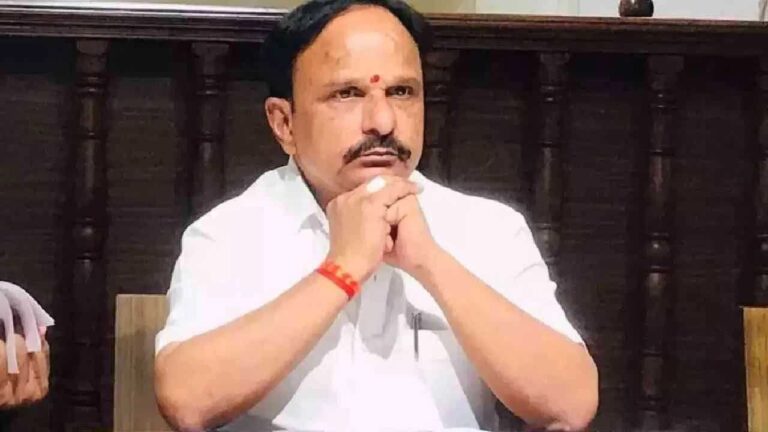
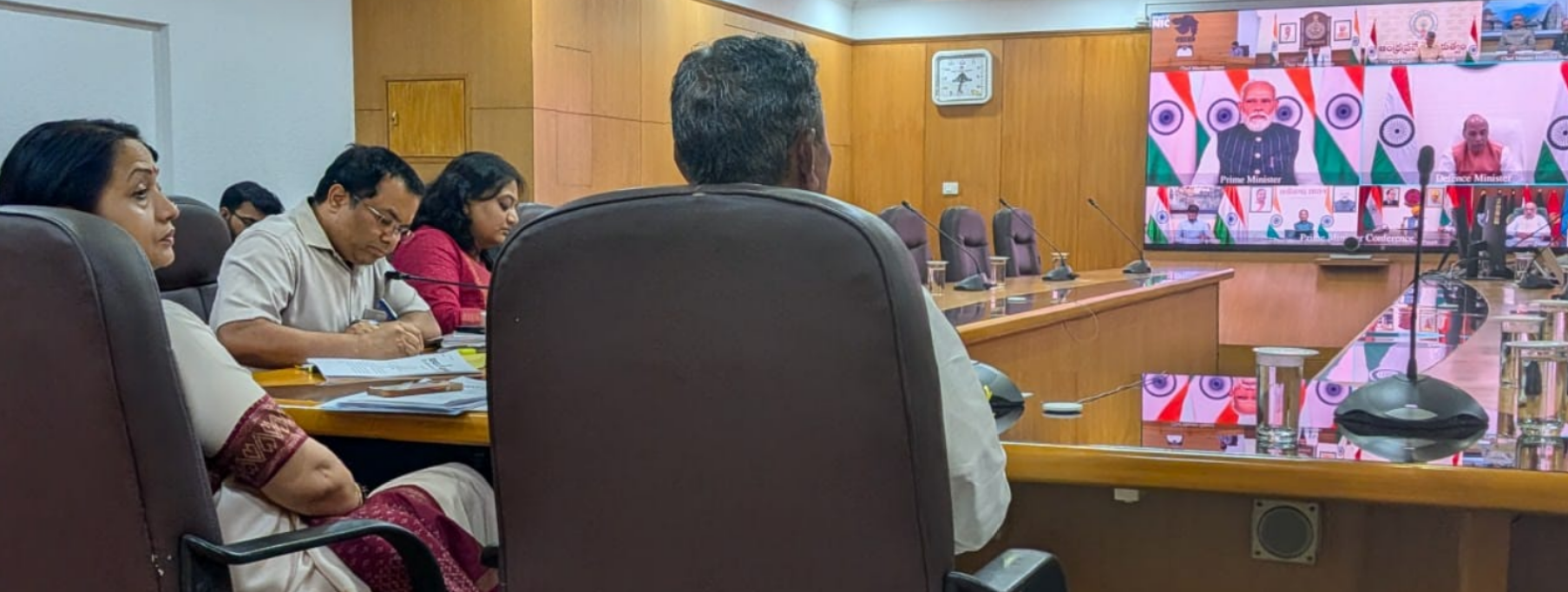
Bengaluru: Karnataka Food, Civil Supplies and Consumer Affairs Minister K. H. Muniyappa presented a detailed status report on LPG supply, fertilizer availability, and law and order during a high-level video conference chaired by Prime Minister Narendra Modi.
The minister informed that Karnataka is experiencing LPG supply constraints in line with the national situation. While domestic LPG supply for approximately 3.11 lakh consumers is being managed without major disruption, commercial LPG has been significantly impacted.
He stated that against a daily requirement of around 44,700 commercial cylinders, supply had dropped to about 20% (7,000 cylinders per day) from March 16, which was later increased to 40% (16,000 cylinders) from March 23. From March 27, supply has been further ramped up to 60%, indicating gradual improvement.
To manage the shortage, the state has implemented a strict priority-based distribution system. Hospitals, hostels, and educational institutions are being given top priority, followed by government and transport sector canteens. Hotels, restaurants, Indira canteens, and dairies are placed in the third category, while agriculture, pharmaceutical, and poultry sectors are prioritised thereafter. Other essential sectors are being supplied subsequently, ensuring continuity of critical services.
The minister also highlighted strong monitoring and enforcement measures. District-level committees led by Deputy Commissioners and Superintendents of Police are overseeing supply. So far, 27 FIRs have been registered, 1,169 cases booked, and 1,603 cylinders seized to curb misuse, black marketing, and diversion.
To control demand, temporary booking restrictions have been imposed on commercial cylinders. Hotels and industries have been advised to shift towards alternative solutions such as electric cooking, solar energy, and PNG gas wherever available. Initial panic booking was observed but is now under control, he added.
On long-term measures, Muniyappa informed that Karnataka is actively expanding Piped Natural Gas (PNG) and City Gas Distribution (CGD) networks. Over 5.5 lakh PNG connections have already been provided, with 485 CNG stations operational and CGD projects underway in 18 areas. This expansion is expected to reduce dependence on LPG in the future.
Regarding fertilizers, the minister assured that adequate stocks are available in the state, with continuous monitoring at the district level. Strict action is being taken against hoarding and black marketing, and no major shortage has been reported so far.
On law and order, he acknowledged that minor local disturbances had occurred due to supply constraints, but the situation is now fully under control, with close monitoring by district administration and police authorities.
The minister urged the Government of India to increase LPG allocation to Karnataka, ensure smooth transportation and logistics, provide additional quota for commercial cylinders, support faster PNG expansion through GAIL, and maintain uninterrupted fertilizer supply for the agricultural season.
He emphasised that the Karnataka government is proactively managing the situation through priority-based supply, strict enforcement, and long-term reforms, and expressed confidence that with central support, the situation will normalise soon.
Karnataka Chief Secretary Shalini Rajneesh and senior officials were also present during the meeting.
Also Read: PM Modi Chairs Meeting with CMs on West Asia Situation, Stresses Supply Stability, Energy Security and ‘Team India’ Approach
About the Author