Skip to content
The Bengaluru Live | Bengaluru News, Breaking Updates

The Bengaluru Live | Bengaluru News, Breaking Updates

Bengaluru’s Leading News Portal

Primary Menu
  • HOME
  • Bengaluru
  • Karnataka
  • POLITICS
  • CRIME
  • Delhi
  • Kannada News
  • Hindi News
  • MORE NEWS
    • Supreme Court
    • CITY UPDATES
    • PM
    • SPORTS
    • STATE
    • EDUCATION
    • ENTERTAINMENT
    • HEALTH
    • Real Estate
    • SPORTS
    • CORONA
    • MOBILITY/TRANSPORT
    • Horoscope
    • Submit a Press Release
  • Sponsored
  • Home
  • CITY UPDATES
  • Monkeys know who will win the election – primal instincts humans share with them shape voters’ choices
  • CITY UPDATES
  • STATE

Monkeys know who will win the election – primal instincts humans share with them shape voters’ choices

November 4, 2024 12:30 PM 5 minutes read
📘 Read this story in Kannada

Pennsylvania, Nov 4 (The Conversation) As Election Day looms with Kamala Harris and Donald Trump locked in a dead heat, pollsters and pundits are scrambling for clues to predict the outcome.

But what if the answer lies not in political data or campaign strategies, but in the instincts of a primitive part of the human brain? New research I conducted with rhesus macaque monkeys suggests that when it comes to decisions like voting, people are not nearly as rational as they would like to believe.

It’s easy to associate instinctual reactions – like the fight-or-flight response or reflexively pulling away from a hot surface – with the primitive motive for survival.

But humans also have a rational brain that can gather and weigh evidence, deliberating thoughtfully rather than relying on knee-jerk reactions. Why that rational brain seems to be hijacked by primitive instincts in situations where rationality would serve people better is one of the many reasons my neuroscience colleagues and I have been studying rhesus macaques for the past 25 years.

These monkeys are remarkably similar to people genetically, physiologically and behaviorally. These similarities have allowed researchers to make incredible medical breakthroughs, including the development of vaccines for polio, HIV/AIDS and COVID-19, as well as deep brain stimulation treatment for Parkinson’s disease and other neurological disorders.

My research on candidate preference is part of an overall focus on enhancing scientists’ understanding of the ability to interact effectively with others and to navigate social conflicts, the neural circuits that support it and how these circuits can deteriorate due to disease or external factors like inequality – all to better support those affected by these challenges.

Power of first impressions Previous research revealed that human adults and preschoolers alike can accurately predict election outcomes after quick exposure to candidate photos. Plenty of evidence supports the idea that our primitive brain drives us to quickly form first impressions based on physical appearance – it was key to survival, after all.

But researchers don’t yet understand why this bias persists. New research with rhesus macaques has provided some answers.

In the study, which is under review at the journal Proceedings of the Royal Society B, we showed monkeys pairs of candidate photos from U.S. gubernatorial and senatorial elections, and they correctly predicted the outcomes based solely on visual features.

Specifically, the monkeys spent more time looking at the loser than the winner. This “gaze bias” predicted not only the election outcomes but also the candidates’ vote share. Monkeys tended to look at the candidates with more masculine facial features – and these were the candidates more likely to win in the real elections. Jaw prominence had a direct relationship with vote share.

Previous research helps explain the monkeys’ gaze bias. When monkeys were shown pictures of unfamiliar but powerful male monkeys, they would only glance briefly at them, presumably because monkeys interpret staring as a sign of aggression. But their gaze lingered when shown a low-status male monkey or a female.

Those preferences were on full display when we showed the macaques photos from the most recent races involving Donald Trump. Their gaze bias, driven by primitive instincts, indicated the winners. The monkeys looked the longest at the Democratic opponent in the contest between Trump and Hillary Clinton.

There was less of a gaze bias in the matchup with Joe Biden. And the monkeys looked for about the same amount of time at Trump as at Harris. That means among the three most recent Democratic candidates, based solely on visual features, the monkeys predicted Harris stands the best chance of winning against Trump.

An evolutionary hangover Our findings suggest that voters instinctively react to cues of physical strength – cues that are equally evident to our monkey relatives. This “evolutionary hangover” illustrates how traits and behaviors that were once essential for survival persist even when they are no longer relevant.

The macaques’ ability to predict winners based on physical attributes alone challenges the notion that humans have evolved beyond superficial judgments in leadership selection. For those who pride themselves on rational decision-making, especially in vital decisions like voting, it’s a startling discovery.

Clearly people’s choices are not based solely on visual cues. But the evidence suggests that such factors could be more influential than you think. When you enter the voting booth, part of your brain might be drawing on ancient instincts, subconsciously evaluating who looks like they could best lead the tribe.

Staying rational, not primal Raising awareness of these primal preferences is the first step in reducing their influence.

Political campaigns already tap into these instincts by highlighting a candidate’s physical strength and assertiveness. As voters, we can counteract their efforts by leaning into our rational brain’s capacity to understand and assess their policies and experience – something our primitive ancestors couldn’t do.

Techniques for choosing rationally rather than instinctively include exposing yourself to diverse perspectives, actively questioning your assumptions and considering the long-term outcomes of policies. Such deliberate steps toward making informed decisions take on new importance when you understand how your brain can be swayed at the ballot box by outdated preferences.

Of course, voters are not macaques. But the underlying instincts people share with our primate relatives could still subtly shape our decisions.

Acknowledging the role of these ancient cues can help people become more intentional in how they exercise their power in the voting booth. As democracy evolves, so too should humans’ understanding of how to engage with it. (The Conversation) AMS

About the Author

View All Posts

Post navigation

Previous: Two Bengaluru residents fell prey to deepfake videos featuring Narayan Murthy and Mukesh Ambani, lose Rs 95 lakh
Next: Global solar investment to touch USD 500 bn this year: Pralhad Joshi

Related Stories

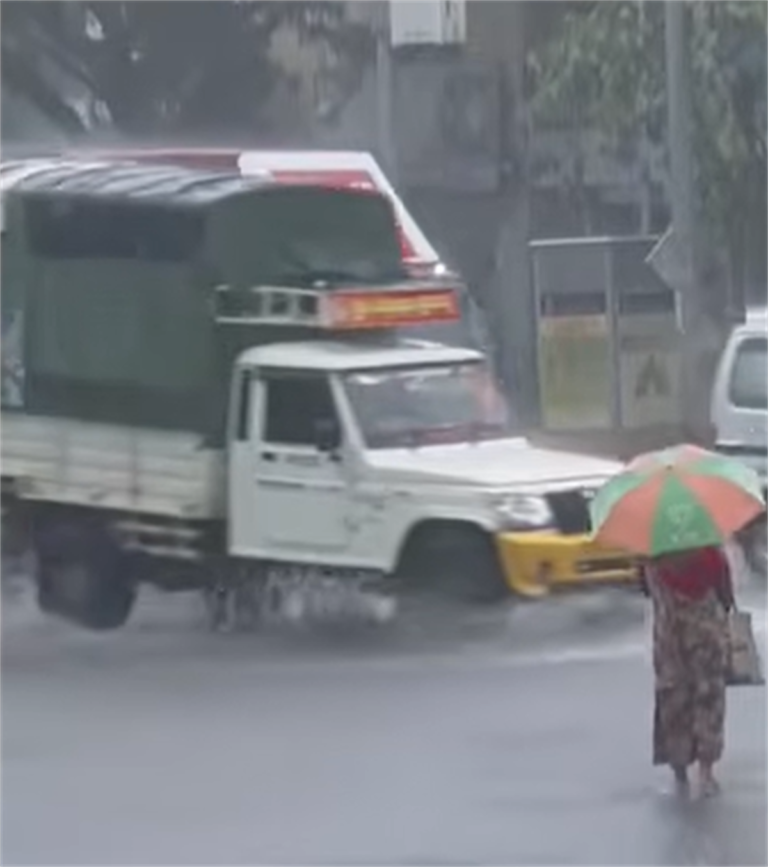
Rain on a city road; image used for representational purposes
  • Bengaluru
  • CITY UPDATES

IMD Forecasts Light Rain in Bengaluru From November 25 to 27

The Bengaluru Live November 25, 2026 10:00 AM
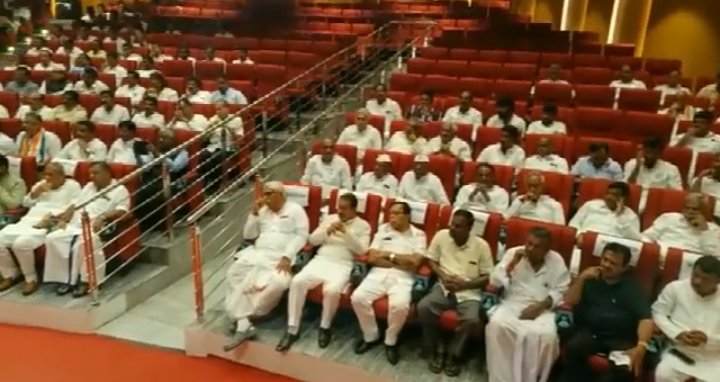
Congress MLAs seated at a Congress Legislative Party meeting at the party office in Bengaluru
  • Karnataka
  • STATE

Karnataka Appoints 11 MLAs as Chairpersons of Boards, Corporations and Commission With Cabinet-Rank Status

The Bengaluru Live November 24, 2026 8:23 PM
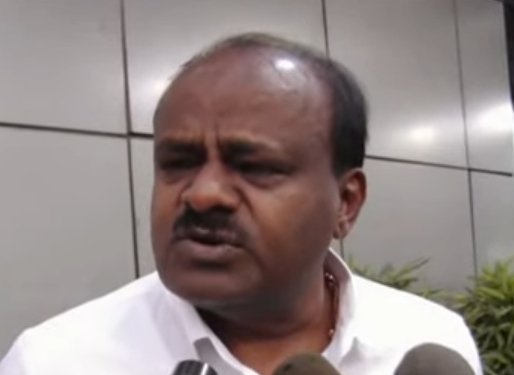
Union Minister H.D. Kumaraswamy speaking to reporters
  • Karnataka
  • STATE

Kumaraswamy Questions Hassan Cyber Police Notice: CM Gave Clean Chit the Day I Released WhatsApp Chat, So What Is the Probe For?

The Bengaluru Live November 24, 2026 7:39 PM

Latest Post

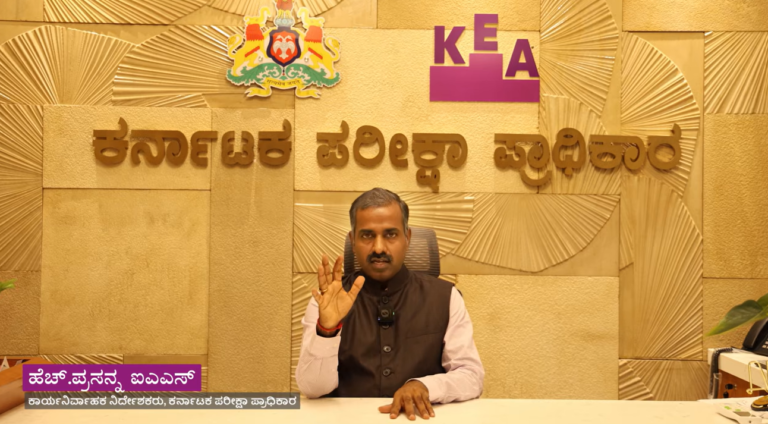
KEA Ready for Residential School Teacher, Warder Exams From November 27 to 30; Candidates to Be Verified by QR Code KEA Executive Director H. Prasanna gesturing as he speaks at his desk in front of the Karnataka Examinations Authority name board and logo
  • Karnataka

KEA Ready for Residential School Teacher, Warder Exams From November 27 to 30; Candidates to Be Verified by QR Code

November 26, 2026 6:09 PM
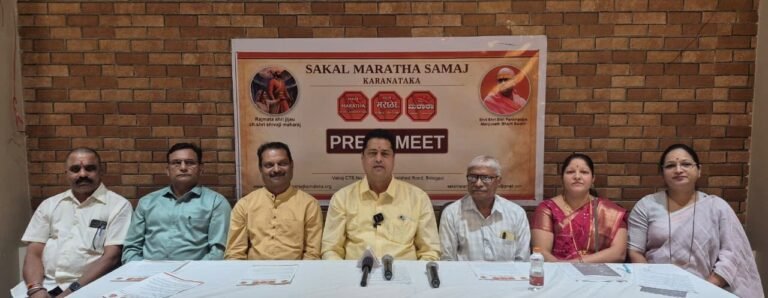
Sakal Maratha Samaj Karnataka to Launch Two Awards, Registration App; Honour for 150 Achievers Planned in February 2027 Office-bearers of Sakal Maratha Samaj Karnataka at a press meet in Belagavi
  • Karnataka

Sakal Maratha Samaj Karnataka to Launch Two Awards, Registration App; Honour for 150 Achievers Planned in February 2027

November 26, 2026 5:03 PM
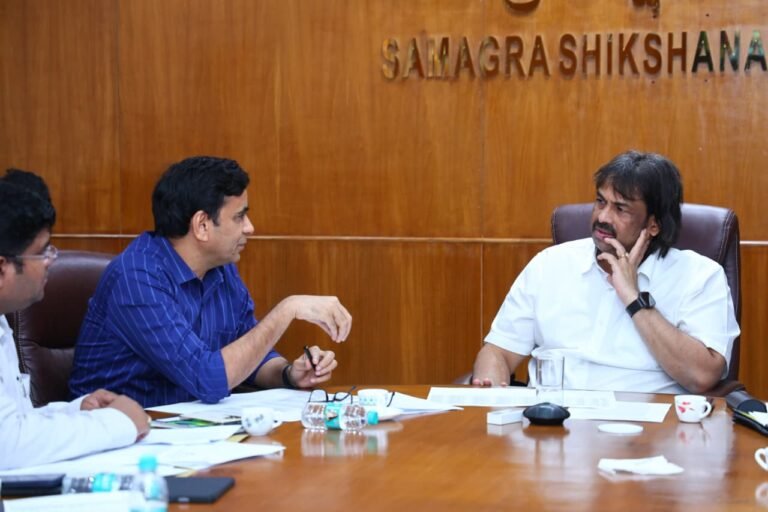
Madhu Bangarappa Orders Full Review of Crop Insurance Compensation Discrepancies in Shivamogga Minister Madhu Bangarappa at the crop insurance review meeting at the Samagra Shikshana Karnataka office in Bengaluru
  • Karnataka

Madhu Bangarappa Orders Full Review of Crop Insurance Compensation Discrepancies in Shivamogga

November 26, 2026 4:22 PM
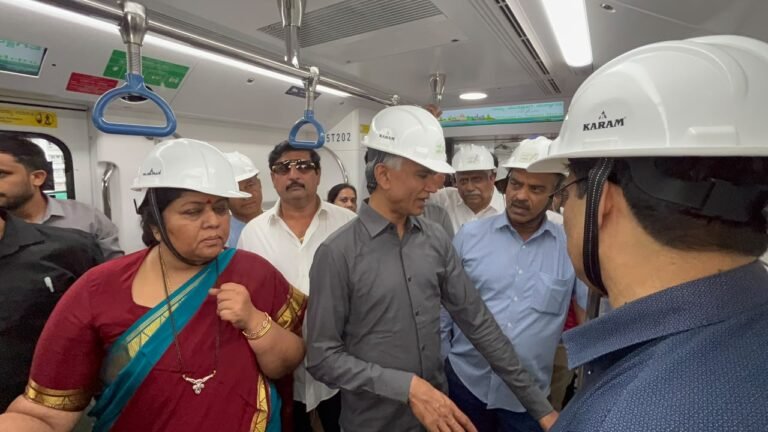
Karnataka Asks Centre to Expedite Metro Red Line Approval and Consider Sarjapur–St. John’s Double-Decker Corridor: Krishna Byre Gowda Bengaluru Development Minister Krishna Byre Gowda with officials inside a metro train during the Blue Line trial run inspection
  • Bengaluru

Karnataka Asks Centre to Expedite Metro Red Line Approval and Consider Sarjapur–St. John’s Double-Decker Corridor: Krishna Byre Gowda

November 26, 2026 4:14 PM
Fifth Annual Flower Show at Cubbon Park Runs Till December 7 With Over 15 Lakh Flowers A floral installation at the flower show at Cubbon Park in Bengaluru
  • Bengaluru

Fifth Annual Flower Show at Cubbon Park Runs Till December 7 With Over 15 Lakh Flowers

November 26, 2026 3:51 PM
ED Attaches Rs 702.70 Crore Properties in Bengaluru in Ozone Urbana Homebuyer Fraud Case Enforcement Directorate ED Bengaluru
  • Bengaluru

ED Attaches Rs 702.70 Crore Properties in Bengaluru in Ozone Urbana Homebuyer Fraud Case

November 26, 2026 3:07 PM

You may have missed

KEA Executive Director H. Prasanna gesturing as he speaks at his desk in front of the Karnataka Examinations Authority name board and logo
  • Karnataka

KEA Ready for Residential School Teacher, Warder Exams From November 27 to 30; Candidates to Be Verified by QR Code

The Bengaluru Live November 26, 2026 6:09 PM
Office-bearers of Sakal Maratha Samaj Karnataka at a press meet in Belagavi
  • Karnataka

Sakal Maratha Samaj Karnataka to Launch Two Awards, Registration App; Honour for 150 Achievers Planned in February 2027

The Bengaluru Live November 26, 2026 5:03 PM
Minister Madhu Bangarappa at the crop insurance review meeting at the Samagra Shikshana Karnataka office in Bengaluru
  • Karnataka

Madhu Bangarappa Orders Full Review of Crop Insurance Compensation Discrepancies in Shivamogga

The Bengaluru Live November 26, 2026 4:22 PM
Bengaluru Development Minister Krishna Byre Gowda with officials inside a metro train during the Blue Line trial run inspection
  • Bengaluru

Karnataka Asks Centre to Expedite Metro Red Line Approval and Consider Sarjapur–St. John’s Double-Decker Corridor: Krishna Byre Gowda

The Bengaluru Live November 26, 2026 4:14 PM

About us

The Bengaluru Live is an independent digital news publication focused on Bengaluru and Karnataka, publishing news and information in English and Kannada since February 2020.

Useful Links

  • About The Bengaluru Live
  • Contact Us
  • Editorial Standards & Corrections Policy
  • Publisher, Editorial Responsibility & Grievance
  • Ownership & Funding Transparency
  • Advertise with us
  • Privacy Policy
  • Terms of Service
  • Submit a Press Release

Recent News

  • KEA Ready for Residential School Teacher, Warder Exams From November 27 to 30; Candidates to Be Verified by QR Code
  • Sakal Maratha Samaj Karnataka to Launch Two Awards, Registration App; Honour for 150 Achievers Planned in February 2027
  • Madhu Bangarappa Orders Full Review of Crop Insurance Compensation Discrepancies in Shivamogga
  • Karnataka Asks Centre to Expedite Metro Red Line Approval and Consider Sarjapur–St. John’s Double-Decker Corridor: Krishna Byre Gowda
©Copyright 2026 The Bengaluru Live All rights reserved. | MoreNews by AF themes.