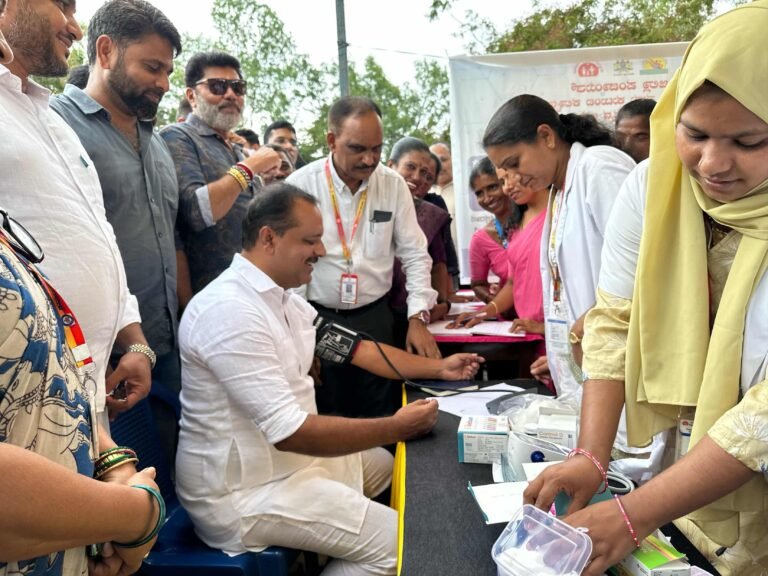
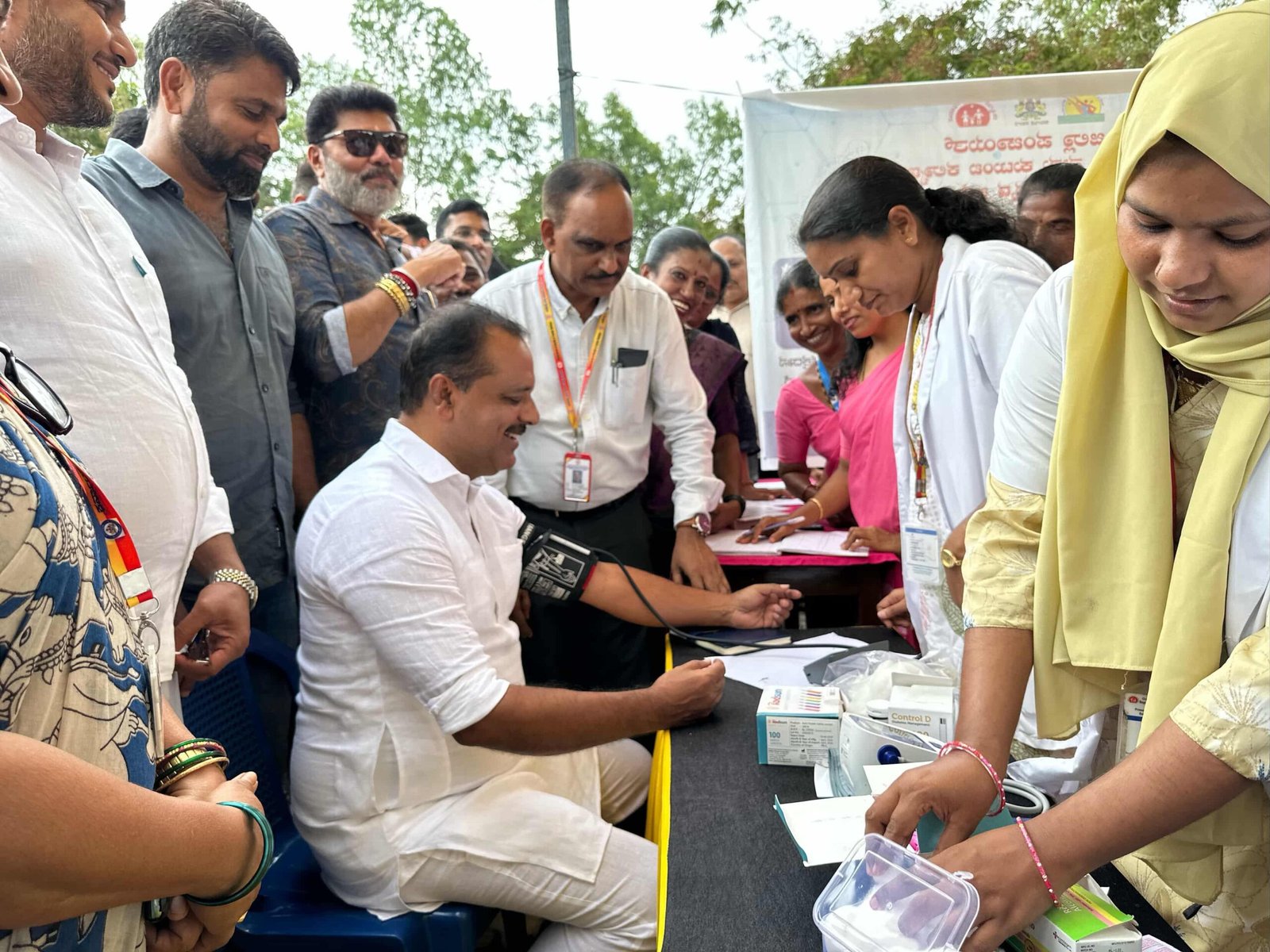
Image: Supplied
Bengaluru: Karnataka Health and Family Welfare Minister U.T. Khader has welcomed the National Pharmaceutical Pricing Authority’s move to cap trade margins on 137 anti-cancer drugs at 30%, saying the State had earlier flagged significant price disparities in cancer medicines marketed by 254 pharmaceutical companies and taken the issue to central regulatory authorities.
Khader said the Karnataka Food Safety and Drug Administration’s scrutiny had found substantial differences in the prices of cancer medicines, with products manufactured at relatively low cost reaching patients at significantly higher Maximum Retail Prices.
The State government had treated the issue seriously because the higher retail prices were adding to the financial burden on cancer patients and their families, he said.
According to Khader, he had instructed FDA officials to examine the price variations and initiate appropriate action rather than leave the issue unaddressed.
Officials were also asked to bring the matter to the attention of central authorities concerned with pharmaceutical pricing and regulation, including the National Pharmaceutical Pricing Authority and the Central Drugs Standard Control Organisation.
Khader said he had publicly raised the need for intervention on cancer medicine prices while speaking to the media at Arogya Soudha in Bengaluru on September 9.
At the time, he had urged the Centre to examine the issue seriously and take steps in the interest of patients, the minister said.
Subsequently, available information relating to price differences, landing costs of the medicines and the prices at which they were ultimately sold to consumers was compiled with supporting records and placed before the relevant central authorities, according to his statement.
Khader also credited the media with helping bring the issue of cancer medicine pricing into wider public discussion.
He said the filing of a public interest litigation in the Supreme Court concerning the issue was another significant development, adding that the question of disparities in drug pricing had also reached the judiciary.
Against this background, Khader described NPPA’s latest intervention as an important step for patients.
According to the information cited by the minister, trade margins on 137 anti-cancer drugs have now been capped at a maximum of 30%, a measure expected to result in substantial price reductions for affected medicines.
The revised prices are expected to take effect from November 9.
Khader said making cancer medicines affordable was critical because the cost of treatment itself had become a major challenge for many patients.
Families should, as far as possible, not be forced into situations where they have to sell assets or take on heavy debt merely to meet the cost of treatment, he said.
Life-saving medicines must be available at prices ordinary people can afford, and ensuring this is an important responsibility of the health system, the minister said.
He expressed confidence that the pricing intervention would benefit cancer patients not only in Karnataka but across the country.
Khader also called for continued coordination between the Centre and the States to improve transparency in medicine pricing and reduce avoidable financial pressure on patients.
Protecting patients’ health, the financial security of their families and access to affordable healthcare would remain a priority, he said.
“No cancer patient should be forced to stop treatment because the medicines are too expensive,” Khader said in substance, urging all concerned regulatory authorities to continue acting responsibly to protect patients.
About the Author