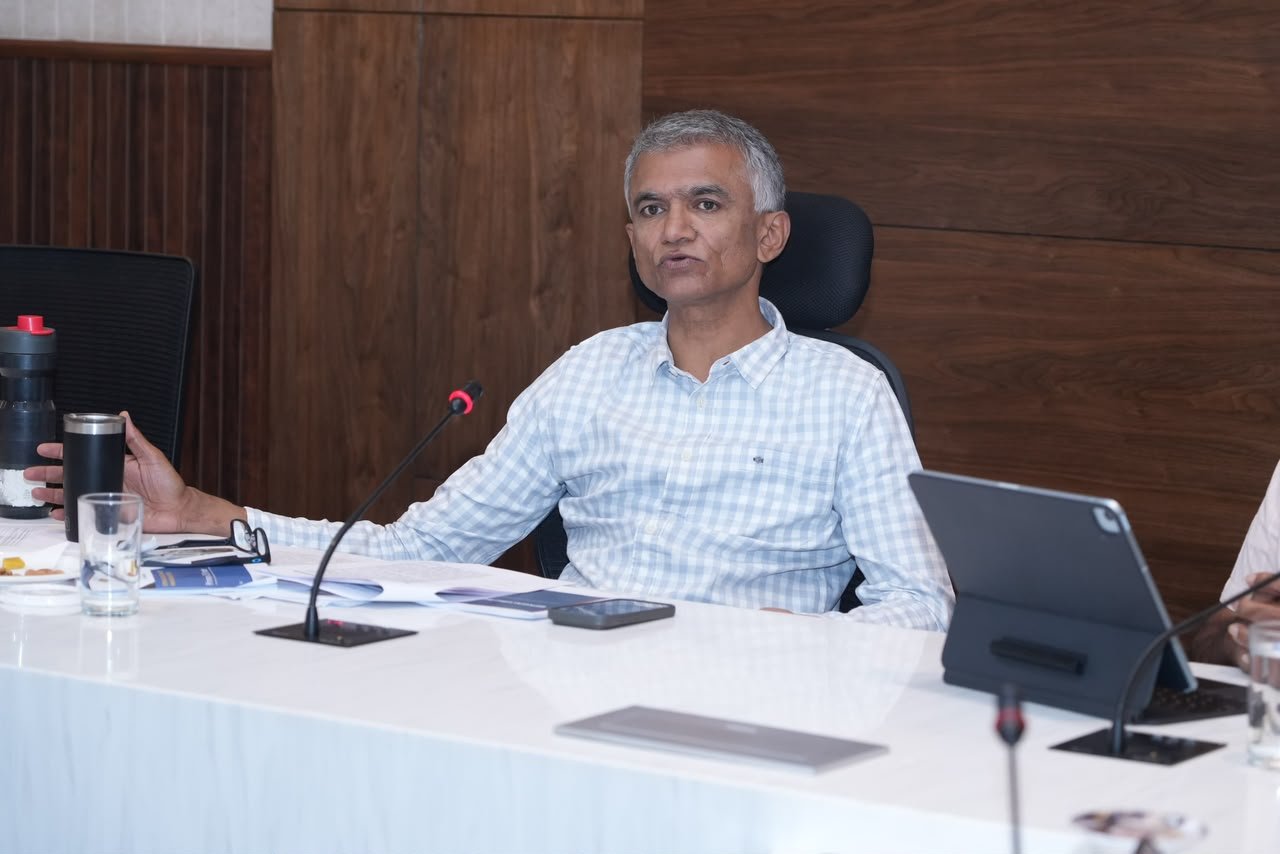
Krishna Byre Gowda addresses a press conference at the GBA office in Bengaluru on October 28. Image: GBA.
Bengaluru: A new door-to-door garbage collection system is expected to begin in five Bengaluru Assembly constituencies in November, with work orders issued for the first five packages of a citywide overhaul, Bengaluru Development Minister Krishna Byre Gowda said.
The Greater Bengaluru Authority has divided 27 Assembly constituencies into 33 tender packages. The minister said the changes would replace ageing collection vehicles, make GPS tracking compulsory and increase daily waste collection capacity from 5,200 tonnes to 9,000 tonnes.
What changes for doorstep waste collection?
The fleet will gradually move away from small, 500-kg auto-tippers towards four-wheeled vehicles capable of carrying three to five tonnes. Three-wheelers will continue to serve narrow roads and lanes where larger vehicles cannot enter, he said at a press conference at the GBA office.
GPS devices will track whether vehicles follow designated routes and collection schedules. Many vehicles now in service are more than 15 years old and frequent repairs affect operations, the minister said.
He urged residents to segregate their waste and hand it over to collection staff rather than dump it on roads or in public spaces. He suggested keeping waste in buckets at gates, compound walls or other accessible points, with staff collecting the contents and returning the buckets.
Five packages to start in November
Contractors will have to invest approximately ₹10 crore to establish and operate each package under the revised tender conditions. Their request for 1.5 to two months to mobilise resources and set up operations has been accepted, Byre Gowda said.
Besides the five approved packages, letters of acceptance have been issued for three more. The tender process for another 10 has been completed and proposals sent to the government for administrative approval. Work orders for those packages will follow within 10–15 days of approval, he said.
Other packages remain at bidding or court-clearance stages. A GPS-based facial-recognition attendance system is also to be made mandatory to monitor sanitation personnel and vehicles, the minister said.
Annual cost estimated at ₹620 crore
Responding to allegations over the tenders, Byre Gowda said the current annual expenditure was approximately ₹597 crore and the revised system, including new vehicles and technology, was estimated to cost around ₹620 crore a year.
He said eligible contractors quoting 5–6% below the estimated tender value had been awarded packages in accordance with the conditions. He rejected the allegations as baseless and said the reforms were intended to make waste collection more efficient, accountable and uninterrupted.
For neighbourhood infrastructure, the GBA has separately announced the Ward One campaign from November 1, targeting roads, footpaths, streetlights and sanitation in one selected ward per division.
About the Author


 Atul Chaturvedi