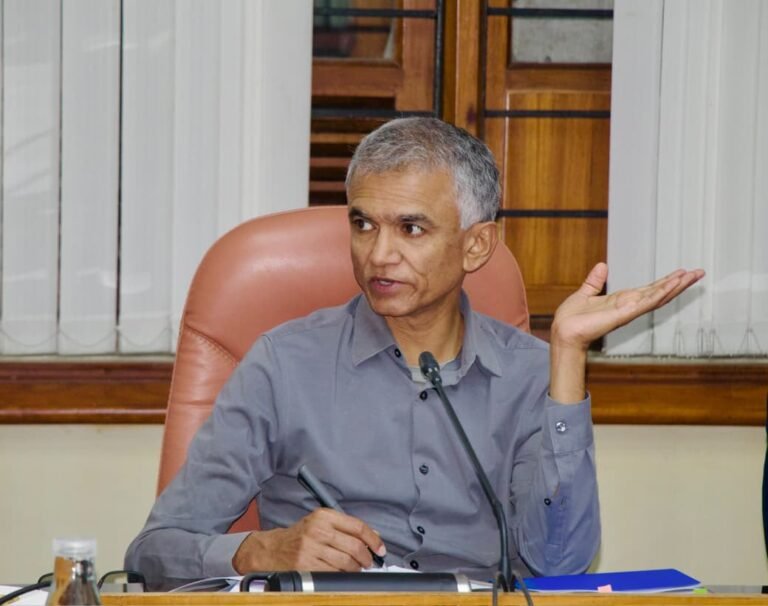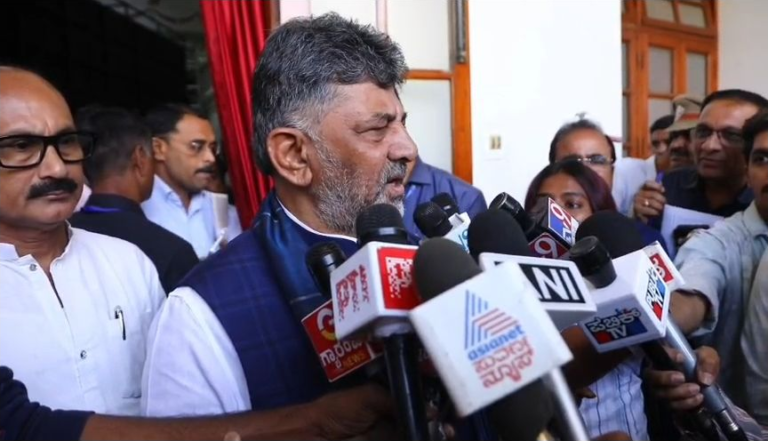

A supplied video still accompanying the Badrinath helicopter crash report. Image: Supplied.
Bengaluru: The Badrinath helicopter crash near Joshimath that killed five passengers from Karnataka and a pilot has raised an urgent question: how was the decision to fly taken amid reports of a weather warning for Chamoli, and who must account for the safety checks before departure?
The cause of Friday’s crash and responsibility for it remain to be established. The Ministry of Civil Aviation said a Directorate General of Civil Aviation team had been sent to Dehradun for a preliminary and regulatory assessment of the accident.
The ministry identified the aircraft as Trans Bharat Aviation’s AS350B3 helicopter, registration VT-HCX. It took off from Badrinath at 1:14 pm for Sahastradhara in Dehradun and crashed in a forested area near Chai village in the Joshimath region.
The Uttarakhand Civil Aviation Development Authority said communication and tracking were lost while the helicopter was flying over the Joshimath valley. It grounded the operator’s entire fleet as a precaution. All six bodies were subsequently recovered.
Among the five passengers was Bengaluru Central Crime Branch inspector Arun Salunkhe, who hailed from Belagavi district. The deaths and the initial search operation were detailed in The Bengaluru Live’s earlier report on the crash.
The reported weather warning puts several questions before the operator and aviation authorities: what conditions were recorded at the departure point and along the route, what forecast and advice reached the pilot, and on what assessment did the flight proceed? A weather alert by itself does not establish the cause of an aircraft accident.
Those questions must also be tested against the safeguards announced after earlier accidents. In June, the civil aviation ministry said UCADA had installed 33 surveillance cameras and opened two integrated control centres for helicopter tracking, helipad operations and weather surveillance. Weather-observation equipment had been installed at Badrinath and four other locations, with current and forecast weather information relayed to operators.
The same ministry statement described the first phase of the 2026 Char Dham helicopter season, ending June 26, as incident-free. That earlier assessment does not establish what equipment, information or operating conditions were available for Friday’s flight.
The safety framework announced in September 2025 assigned weather-monitoring and advisory functions alongside UCADA control-room operations and DGCA inspections and audits. Scrutiny of the latest crash therefore needs to cover the operator’s flight decision, the information passed through this system and compliance with the prescribed safeguards.
There is also a relevant earlier enforcement record. On June 15, 2025, the ministry said two other Trans Bharat helicopters had flown in unsuitable weather and that the two pilots’ licences had been suspended for six months. Those were separate flights; the action is not a finding of fault against the crew involved in Friday’s crash.
Determining who is responsible requires the flight, weather, tracking and communication records to be examined together. The regulatory assessment must establish whether the safeguards were followed and where, if anywhere, a failure occurred, rather than treating the existence of an alert as a completed explanation for six deaths.
About the Author