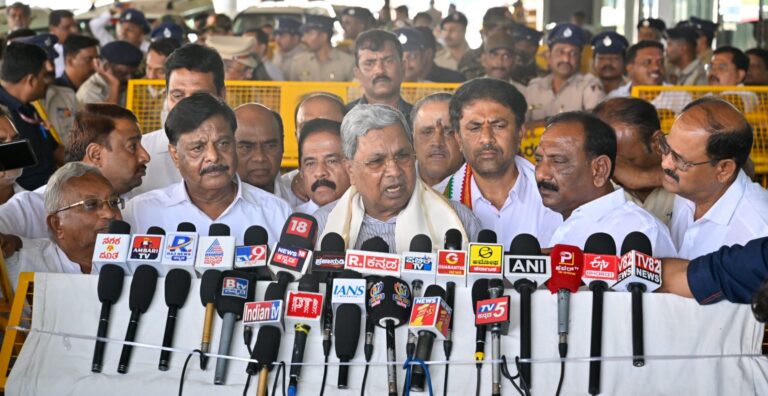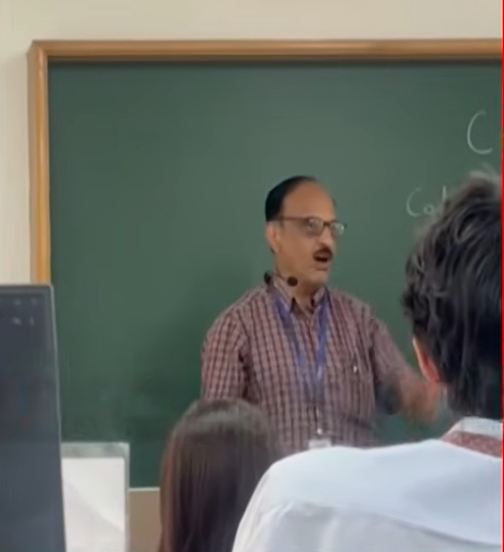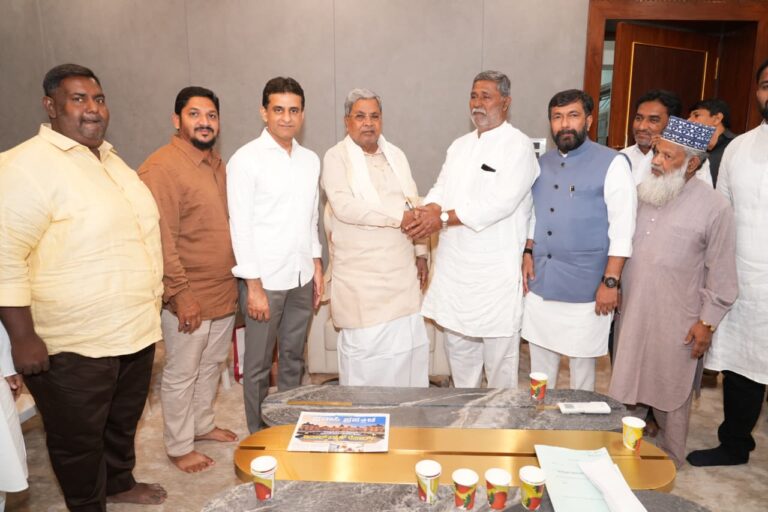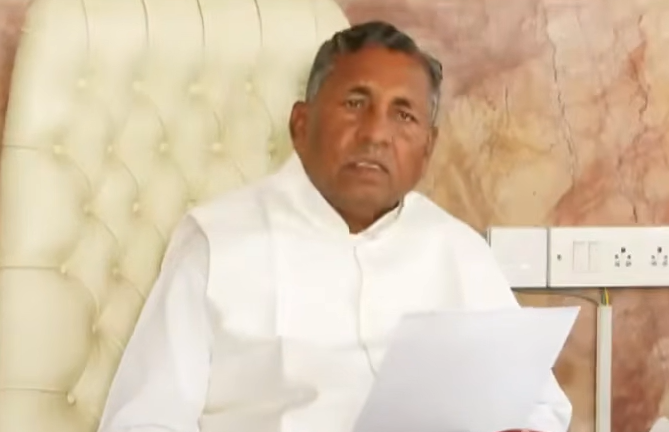


Bengaluru: The ongoing language policy debate in Karnataka has now taken a sharper turn, evolving from a cultural issue into a larger discussion around education, employment, and opportunities for students.
Responding to the state government’s decision to make Hindi non-mandatory, Union Minister Shobha Karandlaje strongly criticised the move, arguing that learning languages should not be viewed as imposition but as a tool for growth.
Also Read: Hindi Will Not Be Mandatory as Third Language, Says CM Siddaramaiah Amid Policy Debate
Karandlaje highlighted the challenges faced by South Indians in northern states, recalling instances where people were mocked for not knowing Hindi. She stressed that language skills are essential, especially as students move beyond Karnataka for higher education, employment, and global opportunities.
“Children should learn multiple languages at a young age. It is much easier then. Once they grow up, learning becomes difficult,” she said, framing the debate as one about future readiness rather than political ideology.
Taking a sharp dig at the state government, she accused it of creating confusion by altering language policy mid-academic cycle. “If Hindi was to be removed, the decision should have been taken at the beginning of the academic year. Changing rules during exams reflects irresponsibility,” she said.
Karandlaje also questioned whether students, parents, or teachers had demanded such a change, arguing that the decision was imposed without adequate consultation.
The controversy reflects a deeper divide — while the state government positions its move as protecting regional identity and reducing academic burden, critics argue that limiting language exposure could restrict students’ future mobility and employment prospects.
As the debate intensifies, Karnataka’s language policy is no longer just about Hindi versus Kannada — it is increasingly being seen as a question of how the state balances cultural preservation with global competitiveness.
ಇದನ್ನೂ ಓದಿ: ಭಾಷಾ ನೀತಿ ವಿವಾದಕ್ಕೆ ಹೊಸ ತಿರುವು: ‘ಗುರುತು vs ಅವಕಾಶ’ ಚರ್ಚೆ ತೀವ್ರ, ಹಿಂದಿ ಕಲಿಕೆ ಉದ್ಯೋಗಕ್ಕೆ ಅಗತ್ಯ ಎಂದು ಶೋಭಾ ಕರಂದ್ಲಾಜೆ
About the Author